Heading

Lorem ipsum dolor sit amet, consectetur adipiscing elit, sed do eiusmod tempor incididunt ut labore et dolore magna aliqua. Ut enim ad minim veniam, quis nostrud.
Heading 2
Heading 3
Lorem ipsum dolor sit amet, consectetur adipiscing elit, sed do eiusmod tempor incididunt ut labore et dolore magna aliqua. Ut enim ad minim veniam, quis nostrud exercitation ullamco laboris nisi ut aliquip ex ea commodo consequat. Duis aute irure dolor in reprehenderit in voluptate velit esse cillum dolore eu fugiat nulla pariatur.
Heading 2
Heading 3
Heading 4
Heading 5
Heading 6
Lorem ipsum dolor sit amet, consectetur adipiscing elit, sed do eiusmod tempor incididunt ut labore et dolore magna aliqua. Ut enim ad minim veniam, quis nostrud exercitation ullamco laboris nisi ut aliquip ex ea commodo consequat. Duis aute irure dolor in reprehenderit in voluptate velit esse cillum dolore eu fugiat nulla pariatur.
Block quote
Ordered list
- Item 1
- Item 2
- Item 3
Unordered list
- Item A
- Item B
- Item C
Bold text
Emphasis
Superscript
Subscript


It seems unexplainable, and even annoying, that some candidates always win the hiring game. You might assume that the always-hired are easy on the eyes. In truth, research on attractiveness and job offers is mixed, showing that some employers favor good looks in public-facing roles like sales and PR, while others perceive beautiful applicants to be entitled, not hardworking, and more likely to leave. Could the always-hired simply have amazing career achievements to lean on? Nope, says Lacey Kaelani, CEO of data-job-hub Metaintro, who herself has only had 11 unemployed days in her whole career. Her firm analyzed some 600 million available jobs and the candidates who snagged them and found that qualifications were not part of the special sauce. As best she can figure, successful hires all share a vibe: “People who always get hired aren’t necessarily the most qualified,” she says. “They’re the best at making hiring managers feel confident about saying yes.”
Lorem psum dolor sit amet
Example boxed content
Lorem ipsum dolor sit amet
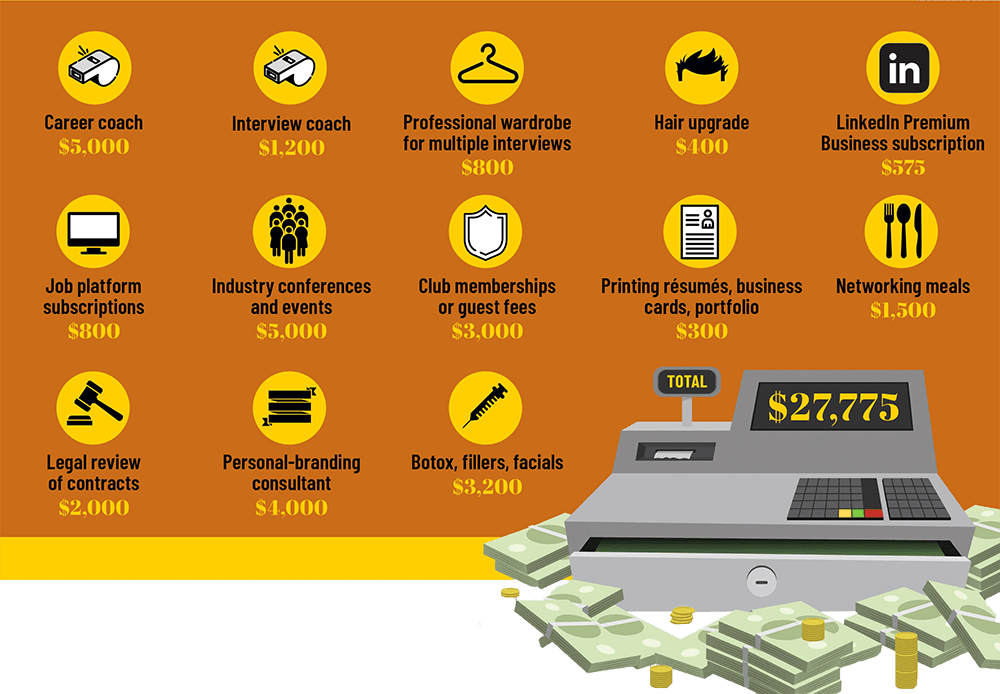
For centuries, men with flair like Podesta’s—career aces—cruised from job to job, as needed, via the old-boy network. This exclusive system of informal connections was structured around elite schools and families, reinforced through private clubs and fraternities, and maintained through golf and tennis, weddings and funerals. Long before a company publicly announced a job opening (if it announced it at all), peers told each other about the open seat, and recommended each other for the role. A word-of-mouth recommendation from the right person sealed the deal.
This system often bypassed formal application processes altogether, and gave friends of friends significant advantages, while icing out talented workers who often didn’t know a job was open until they read about the new hire in the newspaper. These roles were commonly onboarded without ever going through human resources. The tacit agreement was that peers would help each other reciprocally, and they did.
