The Hot Manufacturing Job: ‘Gray’ Collar
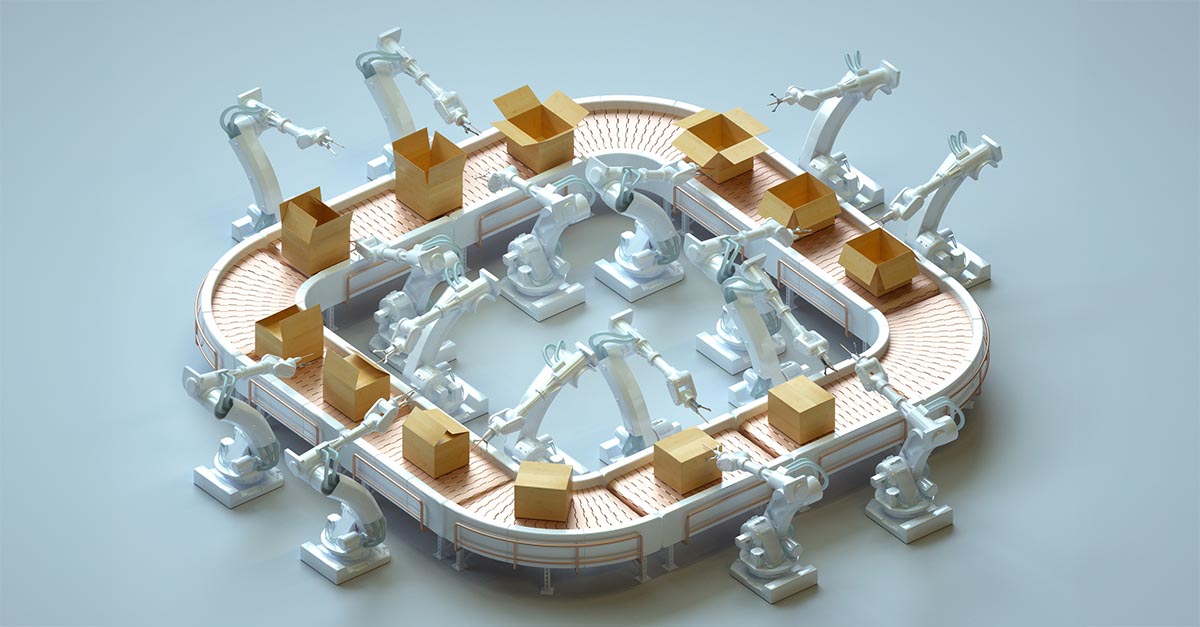
While shedding factory-line positions, manufacturers have added over 300,000 roles closer to white collar. How AI is behind all this.
The manufacturing industry is going gray—and not because workers are getting older.
As automation and AI take over traditional production roles on factory floors, manufacturing roles are becoming less about hands-on operations and more about technology, business management, and people skills. Or, as Erik Olson, a senior client partner responsible for Future of Manufacturing solutions at Korn Ferry, puts it, “Manufacturers aren’t really looking for wrench-turners and welders anymore.”
To be sure, a decade’s worth of data shows that automation and AI have substantially changed the makeup of manufacturing workforces. Over the last ten years, US manufacturers added 358,000 white-collar jobs requiring specialized training and advanced degrees while shedding 244,000 blue-collar factory-floor jobs. More importantly, during that timeframe, overall employment has held steady at around 12.7 million. “The size of the workforce has remained the same, but the kind of worker being hired has changed,” says Olson, suggesting that the bifurcation of blue- and white-collar roles is creating a new class of “gray-collar workers” in manufacturing.
Justin Ripley, a senior client partner in the Global Industrial Practice at Korn Ferry, says the changing nature of manufacturing roles serves as a case study for how automation and AI may reshape talent and job architecture across industries. He points to the automotive industry as an example, noting that fixing cars today is just as much the purview of software engineers as it is of mechanics and parts makers. “The moat around traditional manufacturing jobs has changed,” he says.
This creates both challenges and opportunities for the industry’s leaders and talent. For starters, the data shows precisely how difficult it is to transform with technology. In raw numbers, the difference between white-collar jobs added and blue-collar jobs shed over the last decade amounts to a paltry 114,000 roles. “We’re talking about ripples on a pond, not huge waves,” says Olson, noting that even with all the new manufacturing coming into the US, “a renaissance in hiring” would be needed to grow overall industry employment. “We may have greater production, but we will likely never have more jobs than we have now,” he says.
The decline in traditional skills and the need for new business and technological skills also creates more competition for jobs in entirely new candidate pools. “The addressable market for talent is bigger now because it is a lot easier for people to move laterally,” says Ripley. Put another way, whereas in the past moving from an insurance company to a manufacturing firm was unheard of because the skill sets and knowledge base were so different, making that transition now is both easier and more common, because more skills are transferrable.
That’s probably a good thing, since Korn Ferry data projects that a dearth of new skills and the retirement of older workers will lead to a shortage of 6.5 million manufacturing workers by 2030. “It’s not just a matter of reskilling the talent they have,” says Ripley. “It’s about attracting more people who already have the skills needed.”
Learn more about Korn Ferry’s Talent Acquisition capabilities.