It’s How Things Get Done
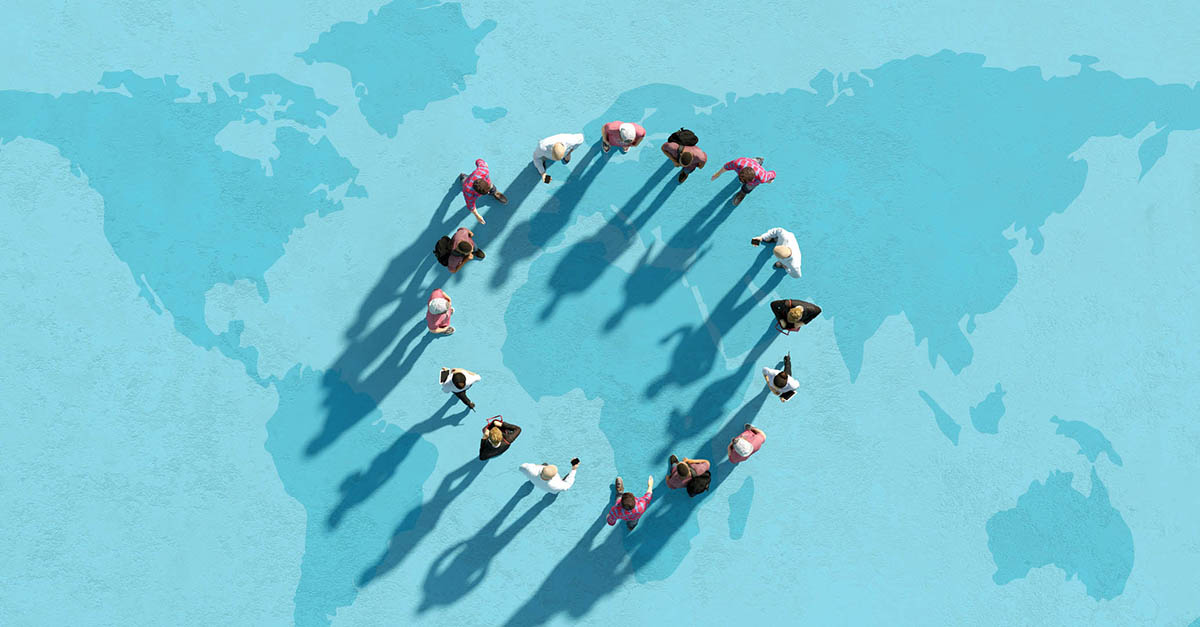
Korn Ferry CEO Gary Burnison explains the leader's critical role in translating a firm's values into everyday actions.
Gary Burnison is CEO of Korn Ferry. For more career advice, read his latest book, I Need a Job!
Ask six people to define culture and you’ll probably get twelve different answers. For some, it’s about mission and values. For others it’s less ethereal—it comes down to the people they work with and what gets them up at 5:30 in the morning without the alarm clock.
Culture, though, boils down to just one definition: It’s how things get done.
Paradoxically perhaps, I’m reminded of a story from when I was growing up. The minute I walked into my aunt’s house, I had to kick off my sneakers at the door. The reason? The pride of this U.S. Midwest household was a spotless white shag carpet. Plastic runners protected it—just like the plastic covers on the furniture.
Best of all, they used a special rake to keep that carpet looking new.
I didn’t have to do any of these things at home. But their house, their rules.
And the rules communicated their values and work ethic—my aunt as a nurse, my uncle working at an oil refinery. They worked hard for everything they had.
That was the culture that made their house a home.
Organizations are no different. The details may differ, but the goal is the same: translating values into everyday actions.
And when everyone is living the culture, we are all contributing to a dynamic environment that constantly reminds us: What got us here won’t get us there. Every day is a new day.
Admittedly, culture can be a bit of a conundrum. I can remember a client meeting a few years ago. Every member of the client’s senior team was asked to define their culture. As each person spoke, it became clear that they were focused only on the form—not the substance.
Then the question changed: “What’s it like to be an employee here?” Instantly, the answers were stripped of jargon. In other words, from the heart.
The language of culture is emotion. And that’s more likely to be felt than stated.
After all, defining culture is more than the name on a door or a logo on a shirt. These are what the experts call the artifacts of culture. What matters far more is what’s behind those artifacts: the beliefs, behaviors and shared mindset that are at the heart of a collective culture. Here are some thoughts:
The Culture Quandary. Our firm’s research has found that nearly three-quarters of executives consider culture to be extremely important to organizational performance. Yet far fewer said that their culture was fully aligned with their business strategy.
Culture is what propels people from me to we, from self-interest to shared interest. It’s the connective tissue enveloping purpose, vision, values, assumptions, behaviors at scale—and, ultimately, results.
The real culture catalyst, though, is people trusting and believing in each other—and in something bigger than each of them and all of them.
Cultivating Culture. When it comes to the care and feeding of culture, the leader plays a significant role. Our firm’s research bears this out: up to 70 percent of an organization’s culture and climate is determined by leadership style.
So, it only makes sense to describe leaders as culture champions—role models within the organization who embody the desired mindset, behaviors, and beliefs. As an executive with a major European retailer told me just the other day, “The idea that leadership is ultimately about creating belief in others rather than elevating ourselves is both simple and powerful.”
Add to that the role of leaders as culture architects—that is, making sure that the right structures are in place to support the desired behaviors. By their word and example, leaders ensure that a healthy culture takes root and grows.
Culture Never Stands Still. As organizations evolve, so too must their cultures. And so, we ask ourselves: How do we continue to empower people? How do we interact with and help each other? What does collaboration look like? How do the best ideas emerge?
Culture: it’s powerful when deeply felt and best experienced together. And most profoundly, it’s how we get things done.