The Midterms: Now What?
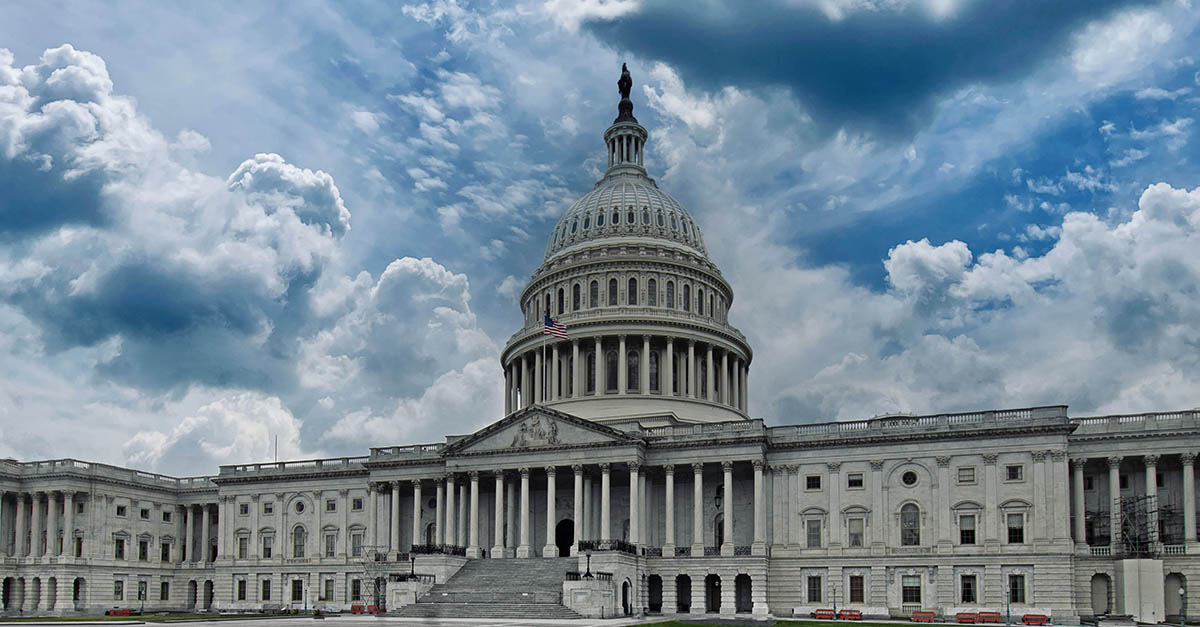
Markets and businesses tend to perform well when the US government is divided.
The US president could only watch as both the House and Senate were flipped into control of the opposing party. That was back in 1994, and not surprisingly, a long period of legislative gridlock followed before some landmark measures were passed. But nothing of the sort occurred in the world of business, where corporate profits soared more than 20% in three years and the stock market grew even more.
Corporate leaders may now be hoping for a repeat in the next couple of years following the results in this week’s US midterm elections, where once more an opposing party to the president will rule Congress. And it’s no fluke that the first two years after 1994 produced strong times for business and markets; over the past 11 midterm elections, the stock market has averaged gains in the 13 percent to 15 percent range in the following year. “Markets and investors like s a divided government,” says Nels Olon, vice chairman and co-leader of Korn Ferry’s Board and CEO practice. “It slows things down in terms of legislation and regulation.”
To be sure, no one can know exactly how geopolitical events will collide with business. Already, the business world is dealing with an enormous uncertainty from an entirely different arena: AI. But experts say corporate leaders are going to need to sharpen their agility skills as sectors from healthcare to technology to manufacturing adjust to change or attempts at change from the government. “You will need to have a kaleidoscope of views that identify risks,” says Jane Edison Stevenson, Global Vice Chair, Board and CEO services at Korn Ferry. Leadership styles may need to adjust too, she says. “A high level of collaboration will be essential.”
Stock marketwise, analysts have a term for what seems to happen post-midterm— “gridlock bonus.” It’s not a sure thing—the markets were only up marginally after the 2006 midterms, for example. What’s more, Bryan Ackerman’s, head of Korn Ferry’s AI strategy, cautions that the AI sector, for one, may face challenges ahead, as both parties have questioned the boom in data center construction and the need for AI regulation around privacy. “What that means in terms of tactical change and prioritization is unclear,” he says.
Experts say that if anything, the dramatic swing in voting across the country this week from 2024 is a reminder of how quickly politics can change and how firms need to always be prepared for that. “I think it makes the point that business needs to be as constant as possible and that the pendulum always swings,” says Edison Stevenson. “Those who follow strong values will succeed.” Kevin Cashman, vice chair of CEO & Enterprise leadership at Korn Ferry, agrees. “Politics are fickle; purpose is a guiding light.”
Given the headlines and attention that the election has had—some states drew record voting turnouts—experts say senior leaders need to craft some important messaging for anxious staffs. “It’s critical for CEOs and senior leaders to stay tuned into the external environment,” says Jamen Graves, Korn Ferry’s global lead for CEO & Enterprise Leadership Development. ”So, as the government becomes more divided, senior leaders can acknowledge this while reinforcing the importance of the entire organization pulling together in the same direction.” Still, those same leaders should remain neutral on the political front. “The only time I recommend leaders address political issues is when they affect the company’s core mission,” says Tamara Rodman, a Korn Ferry senior client partner in the firm's Culture, Change, and Communications practice. “Company values are a much safer and durable harbor to anchor in.”
Learn more about Korn Ferry's Board and CEO Services capabilities.