Hollywood's Scary Take on Tech
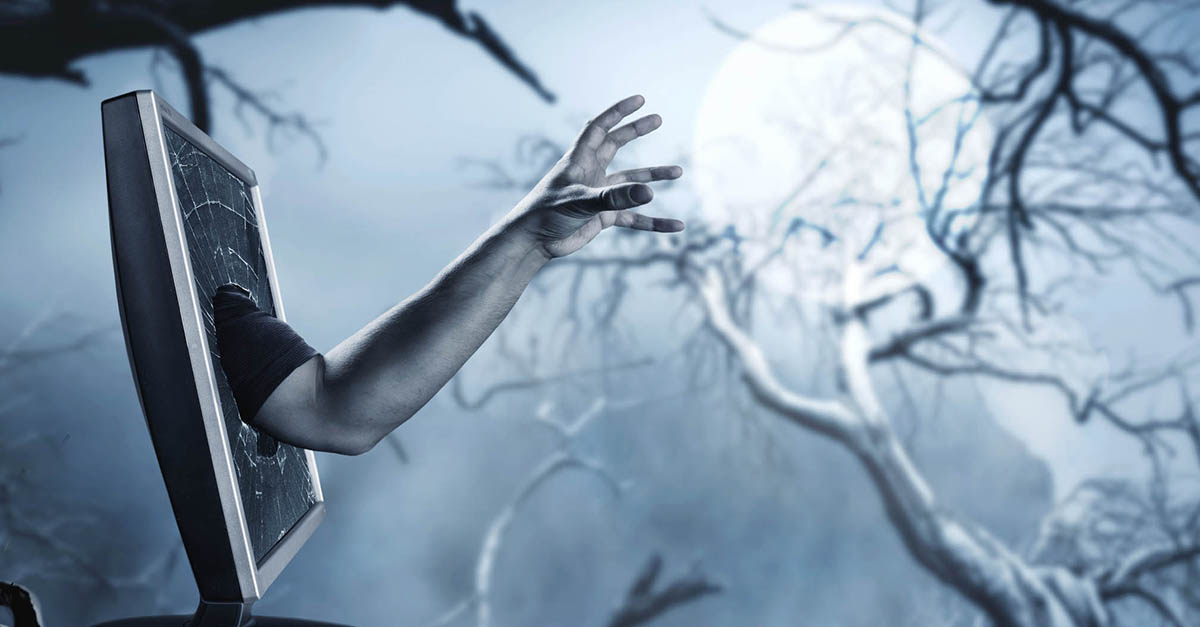
This Halloween, the scariest films focus more on the tech industry than on evil spirits. How should leaders drum up worker support for AI?
Halloween is all about candy, costumes, and horror movies. But this year, the scariest films in theaters have little to do with zombies or evil spirits. Instead, they focus on the tech industry.
For better or worse, tech firms and their leaders have become symbolic of an increasingly divided economic and cultural environment, providing Hollywood with a rich vein of suspicion and existential fear to tap into. “Beating up on big tech is in vogue, and it isn’t entirely undeserved,” says Bryan Ackermann, head of AI strategy and transformation at Korn Ferry.
To be sure, the recent batch of films doesn’t exactly paint the industry and its leaders in the most positive light, and experts say the message Hollywood is sending has the potential to undermine progress and distract workers. Or, as Jamen Graves, global leader of CEO and enterprise leadership development at Korn Ferry, puts it, “Fear sells, and the recent run of movies exploit the human anxieties people have around safety, control, and privacy on social-media platforms and with AI.”
That doesn’t mean the movies are inaccurate, however. Jonathan Kestenbaum, a managing director with Korn Ferry’s AMS business, says Hollywood is reflecting a broader shift in the public’s views of technology and its leaders. No one doubts tech firms are changing the world, he says—it’s just that people are no longer convinced that they’re changing it for the better. “The fact that so much influence is concentrated in relatively few hands is leading to questions about whether the world that tech is creating will be better for everyone,” says Kestenbaum.
This isn’t the first time Hollywood has shined a spotlight on an industry. But Kestenbaum says that tech—unlike Big Tobacco or the subprime-mortgage market, each of which has been the subject of a high-profile film—is under the microscope because of its success. “AI is working,” he says, “and the fear isn’t about the product, but rather about what happens to jobs, economic opportunity, and human relevance.”
For employees in tech and AI, these movies and the attention the media is giving them are only the latest in a long line of distractions—including layoffs, RTO mandates, government inquiries, and more—that have threatened to sap engagement while raising further questions about how their work aligns with their own firms’ values and purpose. It’s already happening: One recent survey found that 53% of tech workers would advise a job candidate to not take the job they currently hold.
With every employee now expected to use AI at work, the future success of pretty much every business depends on a successful transformation to the technology. Because of that, the fear extends beyond one industry and one audience to the level of mass appeal that attracts Hollywood. Studies suggest AI is leading to increased disengagement across industries, for instance, with a disturbing number of employees admitting to withholding effort or actively sabotaging their firms’ AI initiatives.
Despite the criticism, Graves says tech leaders shouldn’t be defensive or dismissive. They should “boldly face it,” he says, and double down on communicating their message to employees: how AI is changing work, the trade-offs that come with that, and the positive impact of what they’re building. Kestenbaum agrees, adding that leaders need to make employees understand that their work connects to their firms’ values and that their companies are investing in people as well as in technology. “Hollywood needs villains,” he says, “but employees need leaders.”
Learn more about Korn Ferry’s Business Transformation capabilities.