The Inevitable AI Fiasco
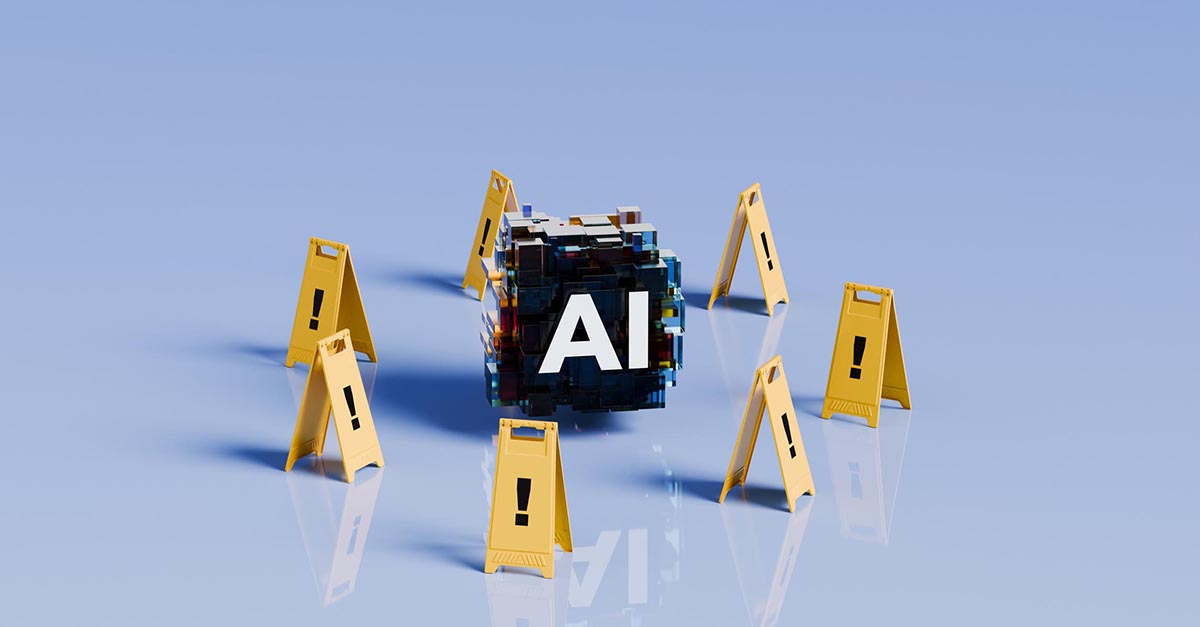
With roughly half of all executives and employees ignoring best practices, experts worry that a catastrophe may occur.
The executive knew that he should run his project by the security team. But he was already rushing to deploy an app to a client, and he didn’t have time: A client deadline trumped everything else. He hit send.
Such behavior is not uncommon: 47% of executives admit to skirting their organizations’ own AI-governance processes in the name of urgency, according to figures from EY. “If there hasn’t been a big corporate AI mistake or blowup so far, it’s because of luck,” says Karena Man, senior client partner in the tech and digital practice at Korn Ferry. “This should be a huge wake-up call.”
Nearly half of executives are cutting corners even as firms simultaneously empower employees with AI tools and institute governance programs. Adhering to governance guidelines is time-consuming, says Shanda Mints, VP for AI strategy and transformation at Korn Ferry. She has witnessed numerous
AI errors, such as chatbots giving outputs that violate company policy, or agents engaging with data or candidates in ways that are legally forbidden by finance or HR regulations. “Often teams don’t know what they don’t know until there’s a mistake,” she says.
Yet 53% of workers say that they often or always submit AI-assisted work without checking it thoroughly, according to a survey by the non-profit employee benefits group EBRI. “A screw-up is bound to happen,” says Tarun Inuganti, managing partner in the Global Technology practice at Korn Ferry.
Firms are doing their best to prevent a fiasco, beginning with strict rules about which AI tools are approved and in line with data security measures. For instance, employees commonly dodge corporate-AI governance when a client or customer prefers a specific tool. Experts advise firms to invest in governance tools that can scan for both shadow AI and inappropriate uses of AI. At Korn Ferry, where protection of data and intellectual property is paramount, sensors snare non-approved tools. “It’s not up for debate,” says Bryan Ackermann, head of AI strategy and transformation at Korn Ferry. “If it’s done on Korn Ferry equipment, I will find you. I have lots of ways to see it.”
Experts also suggest that firms provide training to employees and require them to read organizational responsible-AI policies. “Offer office hours so people can ask questions when situations are unclear,” says Mints. In regulatory environments, generative tools can be locked down so that automation continues to function but humans remain in the loop. “Make sure you are providing transparent disclaimers on what is generated by AI and where that can go wrong,” says Mints.
This challenge isn’t going away anytime soon. “We’re going to be wrestling with this for a long while, all of us learning from one another,” says Inuganti.
Learn more about Korn Ferry’s AI in the Workplace capabilities.