Coming Out of Retirement: The CEO
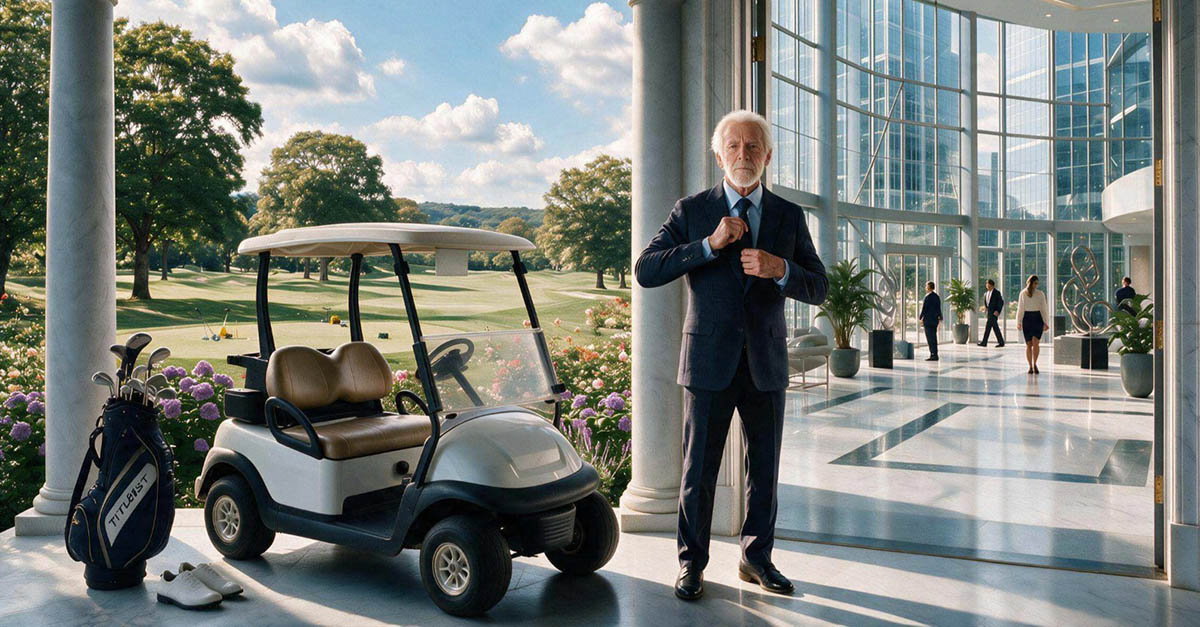
Some organizations are betting that retired execs can do better than a fresh face. Will they be right?
One former CEO was spending his retirement as board director for a donut retailer. Another was a part-time adviser to a firm he once competed against. A third was riding horses on his ranch.
But never mind their current activities: Over the last several months, these three retired bosses and several others have dropped the “retired” part and taken over the top leadership posts at big corporations in multiple industries. Some firms are lifting their mandatory retirement ages and offering big compensation packages to tempt people back into the C-suite. Leadership experts say boards consider looking at retired CEOs now because they feel their firms need someone with experience to handle the unprecedent levels of disruption. “It adds stability to what may have become an unstable situation,” says Joe Griesedieck, vice chairman of Korn Ferry’s Board Advisory service.
One doesn’t have to look too far to see all the disruption, of course. Nearly every firm faces massive challenges around AI, emerging competitive threats, geopolitical tensions, inflation, limited growth opportunities, or a combination. Most of these CEOs, if they didn’t work for the company they’re now taking over before, at least have a deep well of knowledge of the industry. That familiarity can help build trust with investors, customers and other stakeholders, in the short term, Griesedieck says.
Experts also acknowledge that directors might be looking at retired CEOs because they might not fully trust the next generation of leaders, either at their organization or outside. “It is a sign that the talent pool is thin,” says Jane Edison Stevenson, a global leader for CEO Succession.
The return of the retired CEOs is, in one sense, a mini return of the “One Last Move” mindset. Many older executives, worried about all the disruptions themselves, were hunkering down in their existing jobs rather than take a risk on a new professional adventure. These already-retired CEOs also might feel, regardless of their age, that they left the game too early. “A number of CEOs took retirement at time when they still have lot of time and effort to offer,” says Stevenson.
There’s not much research on the effectiveness of CEOs who have come out of retirement. Some studies have looked at whether CEOs with prior success can replicate it as the boss of a new organization, and the results aren’t conclusive. One 2020 study indicated that, after four years of leadership, the stock of the experienced CEO’s new firm outperformed the broader market 68% of the time, compared to 55% of first-time CEOs. However, the performance drops considerably as the years go on. After nine years, only 42% of experienced CEOs outperformed the market, compared to 56% of first-time CEOs.
That type of research suggests that board directors may not want to see a retired CEO as a long-term solution. A better path, experts say: directors ensuring that their firm’s organization is strengthening the leadership talent pool during the retired CEO’s tenure. “You don’t want the cupboard bare when the CEO runs out of time,” Stevenson says.
Learn more about Korn Ferry’s Board and CEO Services capabilities.