
The End of Life
The high cost of great photography, along with the advent of TV, eventually spelled doom for the legendary magazine.
March 25, 2026
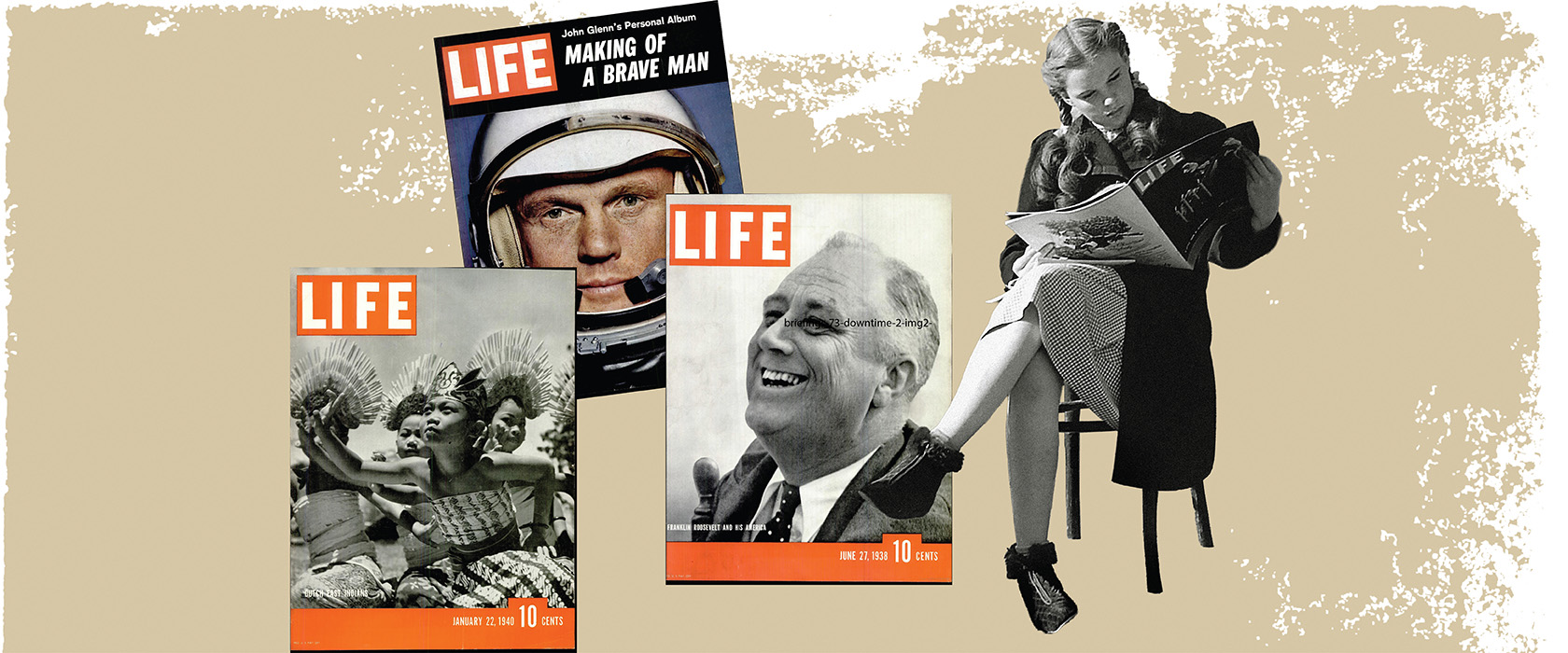
When the first issue of Life magazine appeared on November 23, 1936, amid the Great Depression, its impact was immediate and unprecedented. The US public had never seen the likes of this kind of weekly news magazine, focused heavily on photography and long-form storylines, which offered a vivid portrayal of the American experience. Its first issue alone, costing ten cents each, sold an astounding 466,000 copies. And that’s without a cover featuring a celebrity, but rather the newly completed Fort Peck Dam in Montana.
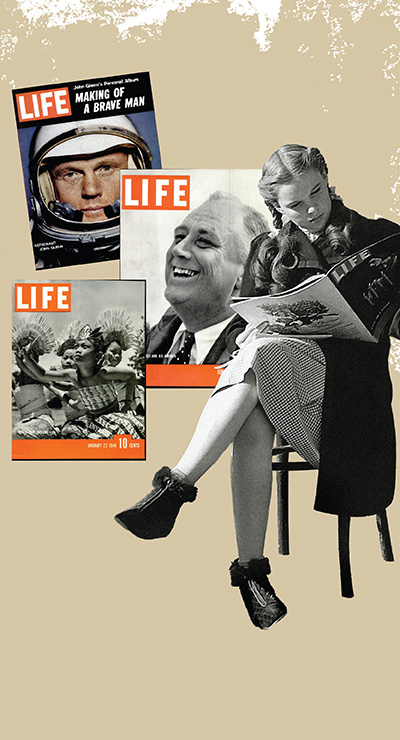
Life quickly became a staple of American households, its stark red-and-white logo as familiar as that of any major brand in the world. Its eclectic mix of stories and picture essays, often featuring celebrities and world leaders, demanded attention and made it the most popular weekly magazine in history. At its peak, in the late 1960s, Life boasted a weekly circulation of 8.5 million, with a pass-along readership estimated at around 40 million.
Incredibly, just a few years later, in December of 1972, Time Inc. ceased publication of Life. This was years before the internet would wipe out print, but the magazine had failed to adjust to the shifting interests of advertisers—or to move on from the high-quality paper stock that made it so expensive to produce. Charles Fountain, professor emeritus of journalism at Northeastern University, says advertisers had started shifting ads for mass-market products, which were the magazine’s lifeblood, to television. “It was a unique and singular magazine, but ultimately, it wasn’t immune to the pressure of the time.”

Judy Garland during the making of The Wizard of Oz on December 23, 1938.

Visitors can try yak-cheese pizza or a bowl of thukpa, a Tibetan noodle soup.

Ladakh produces and exports highly sought-after and luxurious pashmina.

The highest saltwater lake and one of the ten highest telescopes in the world are found in the region.

In this hub for trekkers and adventure enthusiasts looking to explore the Himalayas, the eco-tourism industry is growing rapidly.
Could Life, with its trademark high-quality imagery and storytelling, make a comeback? Six years after closing, Life was revived, first as a monthly, then as a Sunday newspaper supplement, but it never achieved the cachet of the original version. Then, in March 2024, Bedford Media, a holding company, announced it would revive the Life brand yet again, praising how its legacy “lies in its ability to blend culture, current events, and everyday life—highlighting the triumphs, challenges and unique perspectives that define us.” But the magazine hadn’t reappeared as of late last year. (The company didn’t respond to a request for comment.)
The innovator’s dilemma—the inability of successful companies to respond to new technologies and business strategies—spelled the end for Life. According to William McKeen, journalism professor at Boston University, a full-page ad in Life used to cost the same as a minute of prime-time television. “Sure, the magazine could stay on the coffee table for months and be read by scores of eyes in barber shops,” he says. “But it could not compete with the dynamo that was television.”
Photo Credits: Time/Life; PictureLux / The Hollywood Archive
