
The Resale Revolution
A vintage aesthetic is redefining the fashion industry—and how leaders express themselves.


March 25, 2026
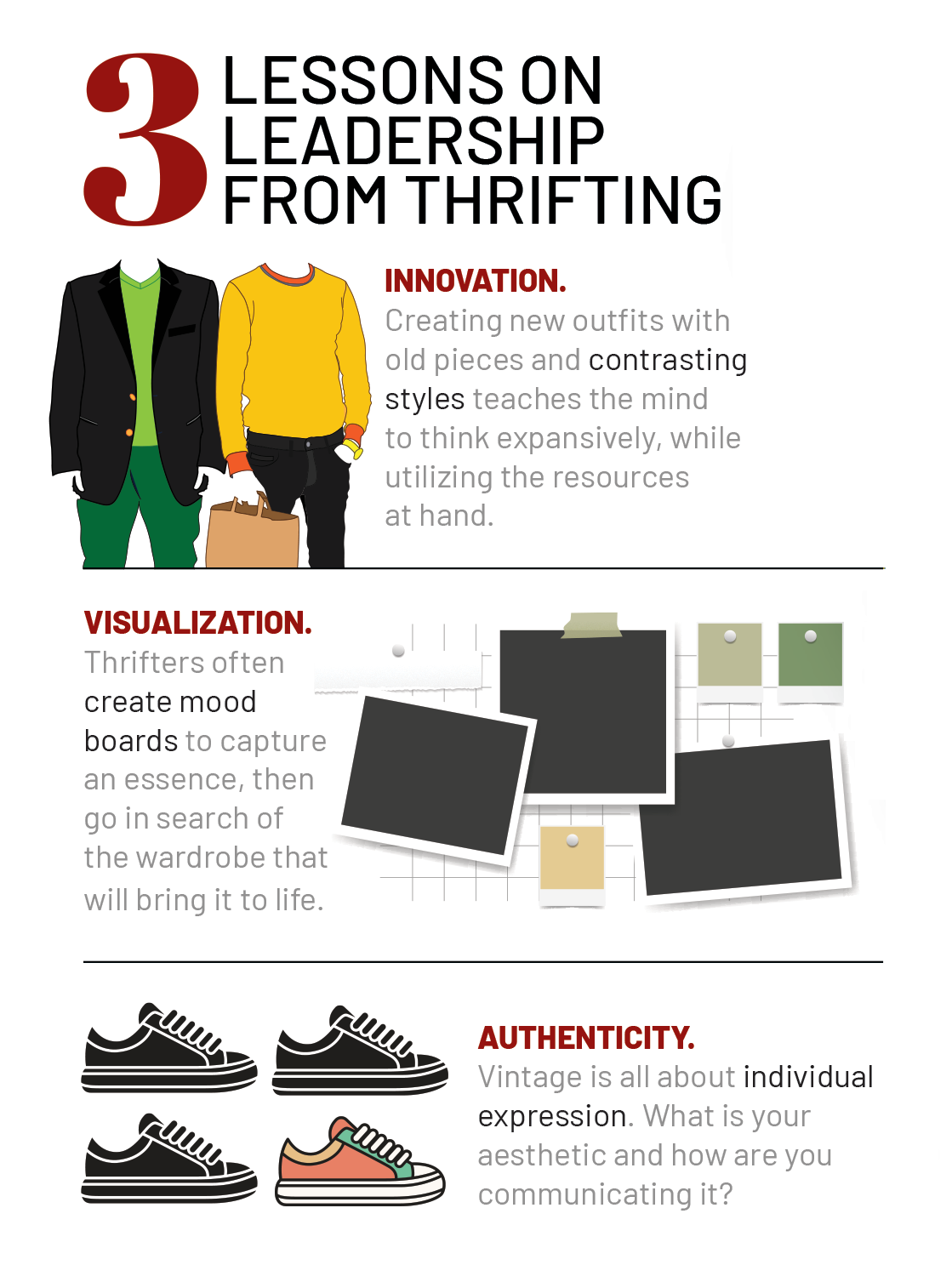
Dr. Aisha Mays grew up going to the thrift store with her grandmother, who was always well-styled in slides and A-line skirts. They’d spend hours pawing through rack after rack to find that one piece that rang out in potential. She loved to mix and match different styles, new and old, and to configure unlikely arrangements that couldn’t be found on a mannequin at the mall.
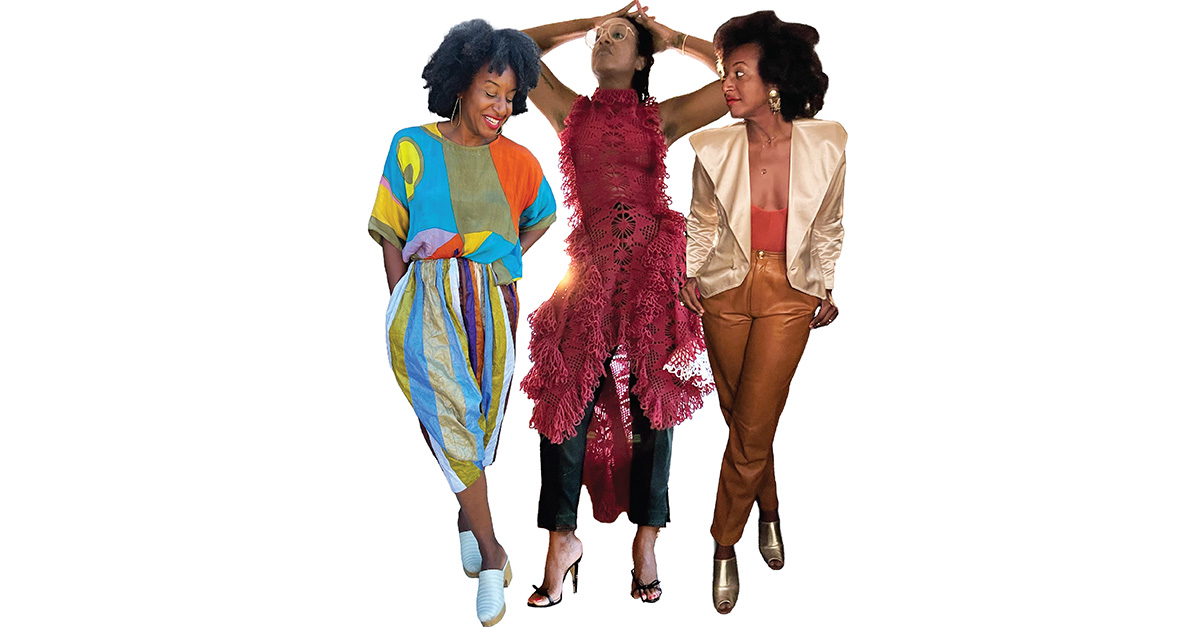
“Aisha Mays wore vintage every day for a year.”

Visitors can try yak-cheese pizza or a bowl of thukpa, a Tibetan noodle soup.

Ladakh produces and exports highly sought-after and luxurious pashmina.

The highest saltwater lake and one of the ten highest telescopes in the world are found in the region.

In this hub for trekkers and adventure enthusiasts looking to explore the Himalayas, the eco-tourism industry is growing rapidly.
When, later in life, Mays became a physician and medical professor, she questioned whether she’d be taken seriously if she expressed her fashion sense, so she suppressed that part of herself. But as she ascended the rungs of her profession, and particularly when she founded the Dream Youth Clinic, a health organization that serves adolescents, Mays began to realize that the more she expressed her aesthetic through what she wore, the more she was able to connect with her patients—and herself. The ingenuity that she’d cultivated in her closet all those years directly applied to starting a business, to imagining new ways of delivering medicine, and to summoning the confidence and authenticity required of being a leader. “Thrifting is a way of seeing beyond what is in front of you and building something new,” the 49-year-old says.
"Thrifting is a way of seeing beyond what is in front of you and building something new."
Long considered to be a means to an end for broke college students and those without options, thrifting is increasingly seen as a choice that both expresses and reinforces personal attributes of people of all income and professional levels. The secondhand apparel market in the US is booming, which Pam Danziger, a market researcher who focuses on influential consumers, explains is in part due to affluent shoppers opting to buy used instead of new. “It represents a paradigm shift for luxury consumers, and it’s only gaining traction,” Danziger says. The market grew from $28 billion in 2019 to an estimated $56 billion in 2025, and is projected to reach $74 billion by 2029.
In an era when shopping has become defined by fast fashion, decreasing material quality, and convenience, people are seeking intention and originality, both from their wardrobe and their leaders. A study published several years ago in the Journal of Business Research that looked at how daily dress affects perceptions of Fortune 1000 CEOs found people gave higher approval ratings and perceived leaders to be more charismatic if their clothing contrasted with the organization’s culture. If the broader environment provided structure, workers wanted a leader who embodied flexibility. Or the opposite. Vintage fashion, like leadership, is all about finding the exact approach to fit the moment.
Visitors can try yak-cheese pizza or a bowl of thukpa, a Tibetan noodle soup.
Ladakh produces and exports highly sought-after and luxurious pashmina.
The highest saltwater lake and one of the ten highest telescopes in the world are found in the region.
In this hub for trekkers and adventure enthusiasts looking to explore the Himalayas, the eco-tourism industry is growing rapidly.
Of course, as is the case with so many trends of today, the pandemic, tariffs, and social media played crucial roles in influencing interest in thrifting, including for Mays. In 2020, at the height of the online-shopping craze, one of Mays’ friends suggested the fashionista try a "no new clothes" challenge. Mays went on to document the experience of not buying anything new for an entire year on Instagram. “It really uncovered a deeper part of my creativity,” she says, adding that it continues to shape how she thinks of fashion, as well as of health and leadership. “I’m always reminding my patients, we are enough, we have enough, and we can create new realities with creativity, passion, and drive.”
Photo Credits: Matej Kastelic/Getty Images; A Mokhtari, Lena Berezkina, MadVector/Getty Images
