Executive Takes: Carman Ciervo

Perspectives and insights from a top healthcare leader.
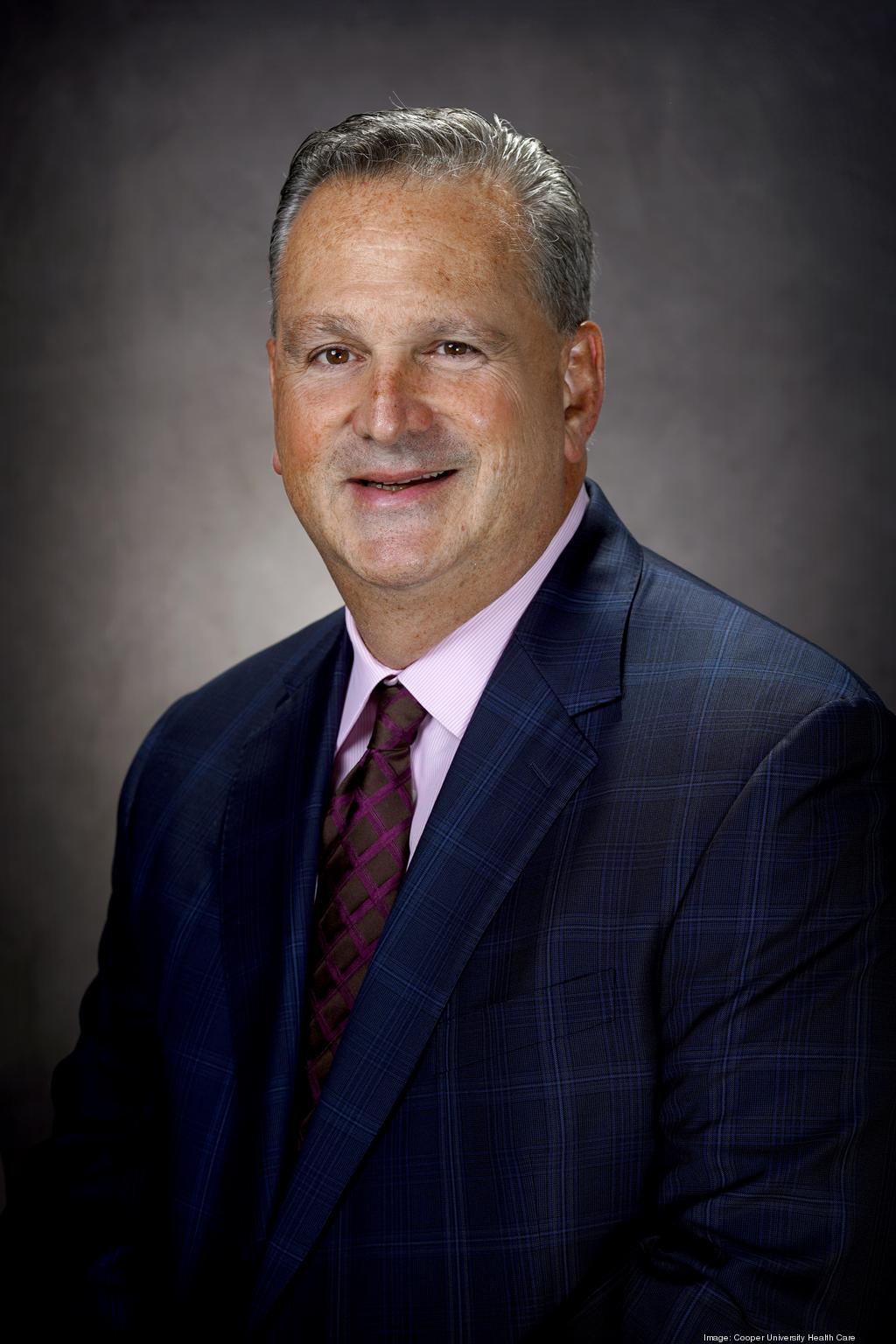
Carman Ciervo, DO, FACOFP, is Chief Physician Executive at Cooper Care Alliance in Cherry Hill, New Jersey.
Time on the Job: Five years
Previous job: Building a physician group from zero to 366 doctors over seven years at Kennedy Health System.
Ten Takes from Carman Ciervo
Why non-compete agreements are a bad idea: “You create relationships through trust. If you create an environment that people truly want to be a part of, you're not going to have to worry about it—because they don’t want to leave. It’s the right way to do it. Here, we are 124 physicians in 27 offices in eight counties. The only attrition we've had is one retirement, one very sad death, and someone who moved to Park City. That’s it. So it has worked really well. At my previous institution, we had an attrition rate of 1%. It’s only a problem for the competing employers.”
On flexible physician schedules: “Some clinicians want to work Friday through Sunday because they want to homeschool their kids. Some want to work noon to 8 p.m. Some want to work 7a.m. to 3p.m. So we work with doctors to create schedules that are 36 patient-facing hours—but allow them to be very flexible. It creates a sense of feeling valued and supported. And early morning and late evening coverage just works out.“
Why physicians like direct care service: “Each doctor has 400 to 500 patients, as opposed to the usual 1500 to 2000. Patients go to the office and have hour-long appointments. The doctors get to practice medicine in a way that doesn’t burn them out, seeing six to seven patients a day, as opposed to 30. It really gets them back to why they went into medicine.”
On concierge medicine: “We have a very high-end, high-touch practice. A lot of these patients go between here and Aspen or Palm Beach or Naples or Tuscany. Some have places in Tennessee because they're into horses. So patients have access to me and two other doctors any time of day or night, wherever needed. They pay $20,000 a year for me coordinating their care, and also sitting down and having educational forums on, say, GLP-1s. It’s very high-touch.”
How to build virtual care: “We were stressing out primary care physicians to squeeze in another patient when they’re already booked, so we built a different group of virtual doctors who see the patient that day, take care of everything, and then return the patient to their primary provider, along with a note to the primary explaining what they did. It’s 7a.m. to 9p.m., seven days a week.”
Current logistical snag: “We're coming into quite a few maternity and paternity leaves. New Jersey has very generous maternity and paternity time. So I've had to figure out ways to either use flex hours or incentivize part-time clinicians to take up some extra time when people are out. It's a challenge.”
What’s misunderstood about geriatric care: “When you bring these patients back at more frequent intervals, monthly or every other month instead of twice a year, they do so much better. You can delude yourself as a doctor into thinking that you're making all these wonderful changes—but that's not it. You're really listening, and if something goes wrong, you’re catching it sooner. People live the longest when they have a culture of individuals who care about them, and elderly people tend to really value their relationship with their doctor.”
Contrarian healthcare belief: “Some of our strongest providers, both in knowledge base and emotional intelligence, are advanced practice providers. A lot of my colleagues think that APPs aren’t as well-trained, or don’t know as much. But it’s about creating a culture where nobody knows everything, and there’s a buddy system. If you have a question, it's cool to come say, ‘Carman, I have someone with Hashimoto’s— should I put them on medication to block the thyroid? Should I send them over to Endo? What are your thoughts?’”
Most excited about: “AI integration that’s making my job easier. All of our offices are now DAX-equipped—it’s ambient listening. So I walk in the room, never have to touch a keyboard, and take care of the patient. I walk out and look at the Epic screen, and everything is populated where it needs to be—I just have to check it.”
His leadership strategy: “Culture eats strategy every time. I always err on the side of never slicing culture—we have pop-up dinners at the offices, and bowling nights. You create a good culture in which clinicians are valued, and they see peers at other institutions who are not valued. I'll trim the budget somewhere else.”

Healthcare
Enabling people and organizations to exceed potential & transform tomorrow's healthcare ecosystem.
Learn More About Korn Ferry's Healthcare Consulting
Want to know more about how we can help? Check out our Healthcare consulting services.
