A New Career Strategy: Be Insufferable?
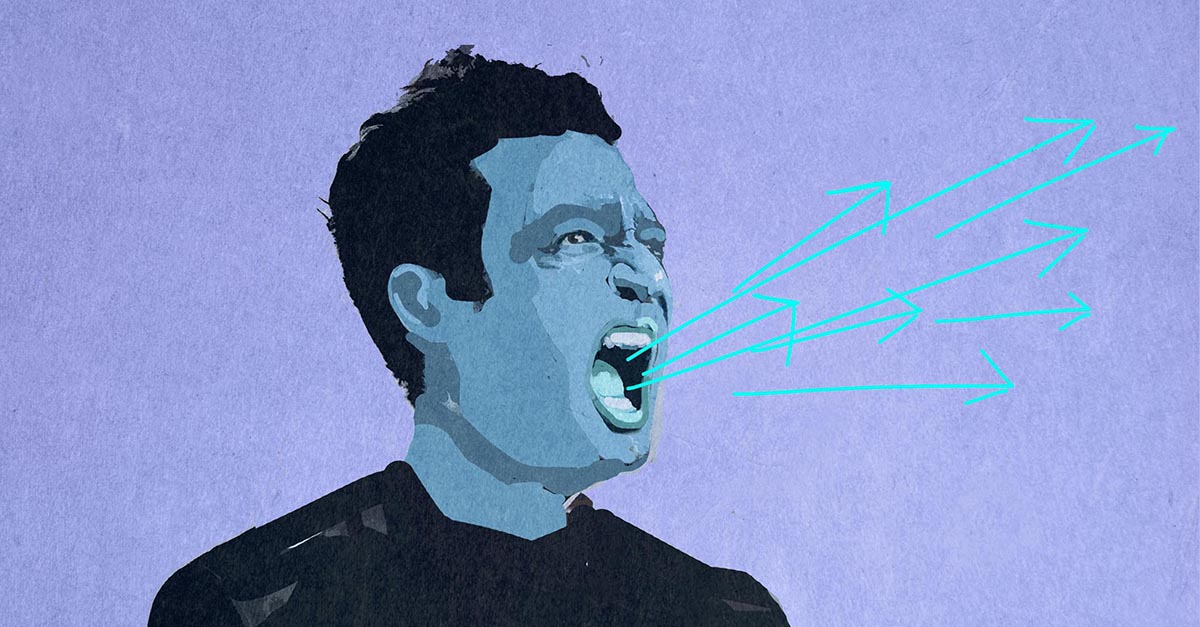
Without realizing it, managers may not be enforcing RTO requirements for difficult-to-work-with employees. How is this affecting culture?
Bob was frustrating his manager. He was always late to meetings, tended to ask self-focused questions, and skipped optional events. He complained about assignments and dodged helping coworkers. But he never quite broke the company’s conduct guidelines, which left the manager with no formal disciplinary route. And so when Bob’s attendance slipped from the required four days a week, the manager ended up doing... nothing. Let Bob stay home. Why not?
Off-putting employees are discovering that their less-than-congenial behavior may have an upside for them: the opportunity to work from home. Frequently. Without realizing it, managers enforcing return-to-office policies may be less inclined to insist on the regular attendance of workers who are not engaged. In doing so, these managers are trying to cultivate a fully engaged, motivated workforce. But experts say they may also be quietly upsetting the staff, especially at a time when high gas prices and inflation are making commuting a drain on many bank accounts. “The risk is that Bob’s bad behavior is not only tolerated, but rewarded,” says engagement expert Mark Royal, senior client partner at Korn Ferry.
At a time when office attendance seems like a closed issue, the Bobs of the workforce demonstrate that RTO hasn’t been solved after all. The option of a hybrid schedule has altered managers’ calculus when they’re addressing interpersonal staffing problems. The shift comes at a moment when worldwide employee engagement is at a decade-long low of 20%, according to Gallup. And firms have been culling out middle managers for years, leaving the remaining managers with more employees than ever to keep track of. A manager who previously tolerated Bob asking five annoying questions in a row at the staff meeting may now lack the bandwidth to calmly manage him.
To be sure, difficult workers are an extreme minority in most workplaces. Also, a manager might misinterpret a worker’s shyness as uncooperativeness. Ideally, other team members beyond the manager will call out a worker for being difficult, which helps the manager. “Coworkers may be able to regulate the situation to some degree, without it going to the manager,” says Renee Whalen, senior client partner in the Consumer and Healthcare practices at Korn Ferry. Managers tend to be most annoyed by employees who damage team spirit by subtly questioning the boss’s judgment—for instance, by asking whether a project really needs to happen now, or why another teammate has been assigned less work. “It just becomes harder and harder for people to collaborate,” says Royal.
Seeing the fabric of his team weaken, a manager might be moved to take action. But what action? In many cases, they may simply let Bob work from home. It seems like a good solution: Bob is happy at home; the manager is happy at work. Except it’s not a good solution, says Royal: “It’s easier to manage in the short term, but harder to correct over the long term.” When employees are in the office, it’s relatively easy to pull someone aside and say, “Hey, this is how your behavior is affecting the team.” But when someone is working from home, those opportunities disappear—and over the long term, the behavior, if it’s unaddressed, tends to continue. Add a second Bob to the team, and suddenly its dynamics are spinning out of the manager’s control.
Experts advise providing direct corrective advice. And if sending Bob home seems like the only option, managers need first to confirm that exiling him does, in fact, improve the culture, says Tamara Rodman, senior client partner in the Culture, Change and Communications practice at Korn Ferry. “Annoying people, unfortunately, exist virtually as well."
Learn more about Korn Ferry’s Organization Strategy capabilities.