A Potential Downside of Amazing Earnings
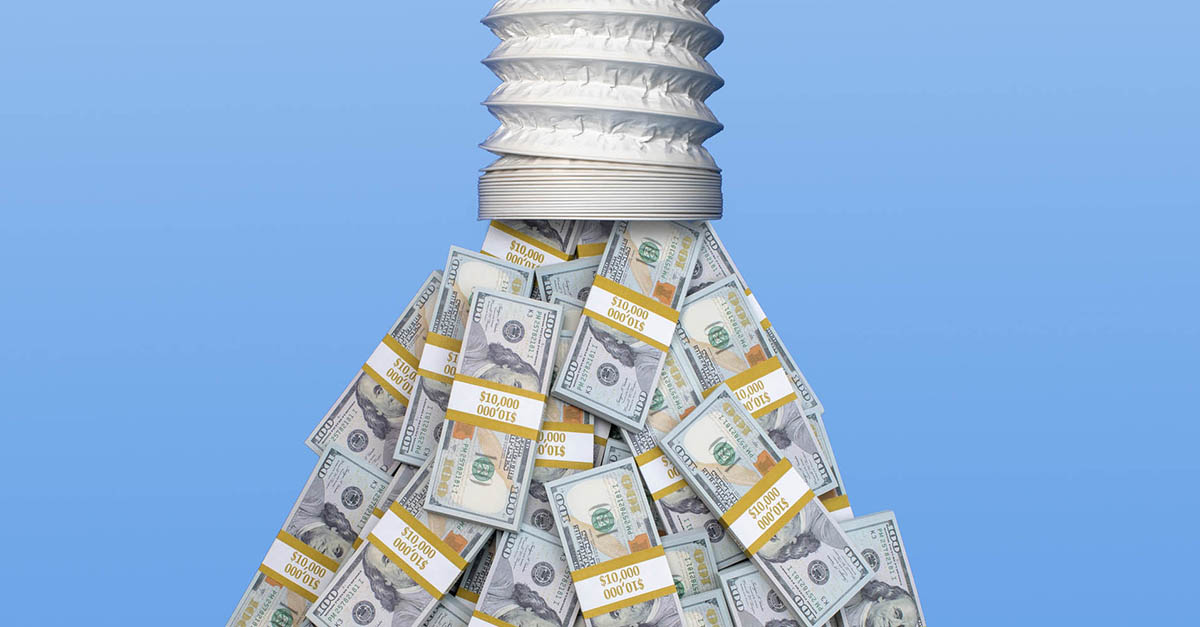
With third-quarter earnings season underway, firms are beating estimates by a wide margin—but they could become victims of their own success.
Judging by the earnings, companies are exceeding performance expectations by a wide margin this year. But are they really?
Over the first two quarters of this year, earnings growth for the S&P 500 overall not only beat consensus estimates—it more than doubled them. The pattern appears to be holding this week, as companies issuing third-quarter earnings report a growth rate that’s trending higher than the current 30% estimate. The problem is that firms are beating estimates by such wide margins that they could become victims of their own success come next year, says Chad Astmann, co-head of global investment management at Korn Ferry. “A real risk of short-termism is on the horizon for 2027,” he says.
To be sure, overall earnings growth isn’t what it seems. Some of the disparity is owing to the nature of earnings guidance. Or, as Jeff Constable, co-leader of Korn Ferry's Global Financial Officers practice, puts it: “Companies issue conservative guidance that analysts use to model their estimates, and then they overdeliver.” Nearly 26% of companies reported positive earnings surprises in the second quarter, and 16% did so in the first quarter, more than double the five-year average. As Astmann points out, however, a few large companies in tech and oil account for most of the 52% earnings growth posted by the S&P 500. A closer look at the data shows that revenue only grew 15.5% for the index. “You can engineer an earnings-per-share beat,” says Astmann, “but it’s a lot harder to engineer revenue.”
But what’s at work here isn’t just the typical earnings dynamic of underpromising and overdelivering, says Constable. He says that the combination of high prices, low wages, and AI-driven cost savings are impacting earnings to a degree that exceeds even the level that analysts had baked into their models. “There’s an imbalance that has led to wider profit margins and bigger beats,” says Constable.
That’s where the pressure for next year is already coming into play. Analysts will eventually start baking more savings and wider margins into their models. To be sure, the difference between estimates and actual earnings over the last two quarters appears to be an anomaly; going back to the fourth quarter of 2022, the difference between the two has been less than 10%. As Astmann sees it, the earnings growth for this year is going to make comparisons for next year more difficult. "That’s when R&D, training, and hiring get squeezed to protect the number, and when investors and boards start finding out if they’ve been paying for performance or something else.”
Learn more about Korn Ferry’s Business Transformation capabilities.