
It’s been said there are only two types of plots: a man goes on a journey or a stranger comes to town. But new renditions on classic variations of this formula are expanding beyond the man and the stranger, sharing the perspectives of those on the margins of literature. Over the last few years, there has been an explosion of fiction releases that reimagine familiar storylines, from Greek mythology to Biblical tales to beloved literature.
These new interpretations sometimes transport the plot to a modern context or play with a genre twist. In other instances, authors are retelling stories from the perspectives of supporting characters who were sidelined, which subtly—or not so subtly—probes previously assumed narratives. Part of what may be driving this latest plot twist is the erosion of institutional gatekeeping, with a 38 percent surge in self-publishing last year that added 4 million books to choose from. Here is Briefings’s compilation of contemporary takes on timeworn favorites.
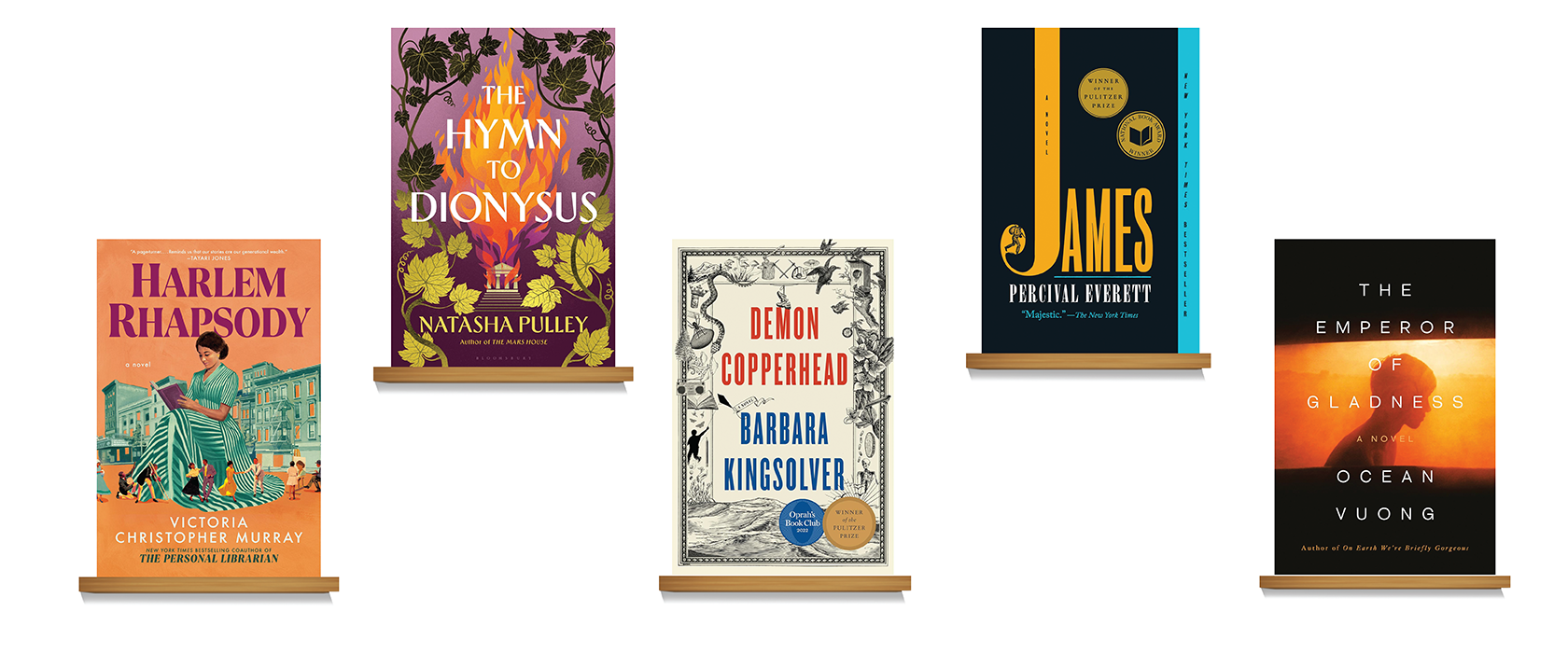
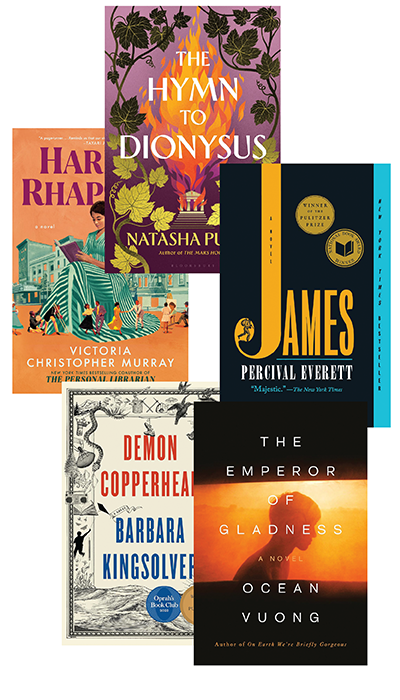
The Hymn to Dionysus by Natasha Pulley
In this reworking of the Greek myth, a soldier suffering from PTSD finds healing and meaning through his encounters with a wild and mysterious god.
Harlem Rhapsody by Victoria Christopher Murray
The story of a Black literary editor who worked for W.E.B. Du Bois in the early 1900s and played a pivotal role in shaping both the future of literature and the Harlem Renaissance.
Demon Copperhead by Barbara Kingsolver
Recently re-released as a new edition, this modern retelling of Charles Dickens’ David Copperfield explores the opioid crisis in rural America.
The Emperor of Gladness by Ocean Vuong
This story of a young Vietnamese-American man who forms an unlikely relationship with an elderly Lithuanian widow is considered an adaptation of A Fine Balance, originally set in India.
James by Percival Everett
A spinoff of The Adventures of Huckleberry Finn told from the perspective of the enslaved Jim, who escapes slavery to join the young outcast on his raft journey down the Mississippi River.
