
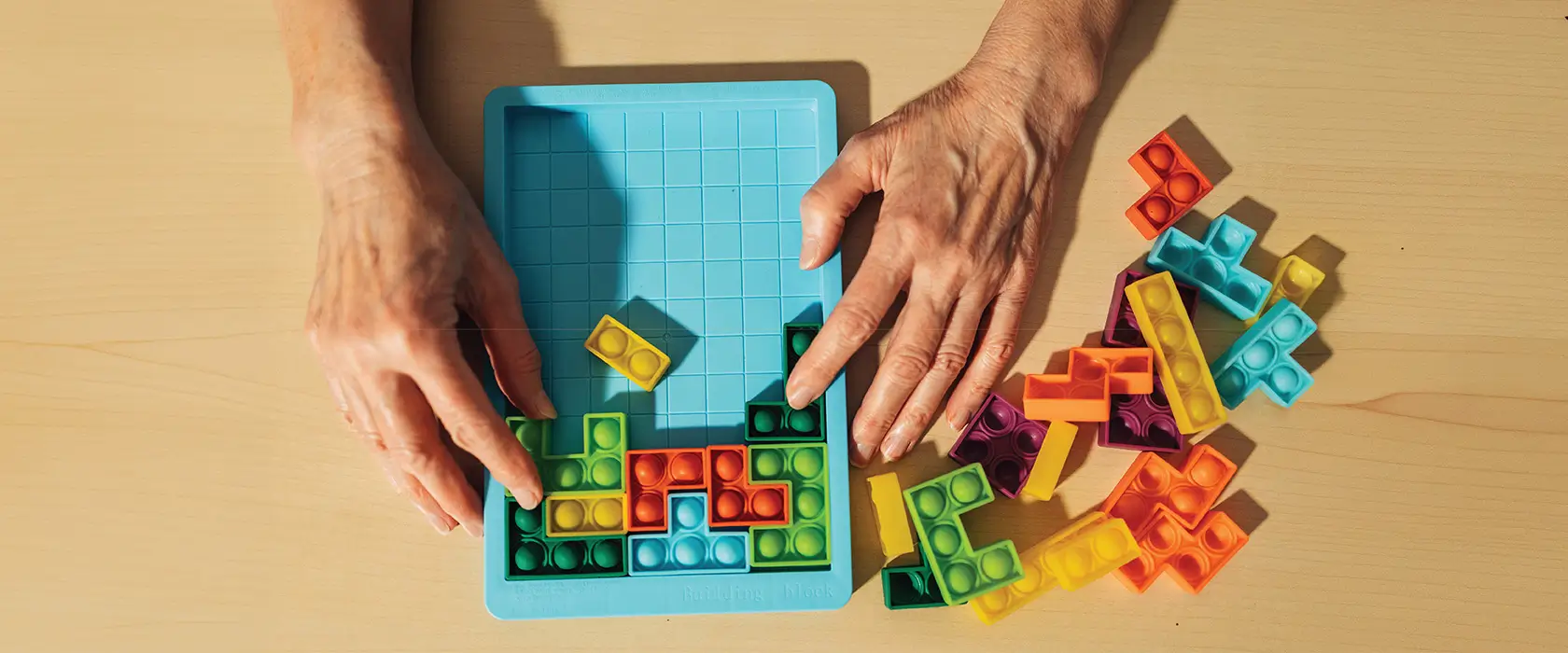
At recent toy industry events, it has made for an odd sight: The adults were enjoying themselves just as much as the kids were. Perhaps more.
In the latest example of how nimble retail leaders—and corporate leaders in general—need to be, the toy business started creating and stocking store aisles with fidget toys and figurines geared toward a rather surprising demographic: grown-ups. With fertility rates dropping, a rising number of adults seem to be yearning for some fun and games themselves. Add in the legions of retirees, who increasingly have no grandchildren, and you have yourself a bona fide trend. “If I’m a toy manufacturer, I’m looking for ways to stretch my market,” says Paco Underhill, the author of What Women Want: The Science of Female Shopping.
What are the toys? Buildable flowers marketed to women. Make-your-own-stuffed-animals marketed as a couples activity. Endless figurines and toys from TV shows and movies that only adults would watch. Sports-star dolls. Approximately a third of adults now work remotely sometimes, which has an impact on all of this, too. “You wouldn’t use adult Play-Doh in your office in midtown, but you could use it in your home office,” says Underhill.
The industry term for all of this, “kidult,” now represents nearly 20 percent of total toy sales, a figure that has doubled since 2020, based on figures from market researcher Circana. The market is now worth approximately $9 billion. Before the pandemic, much of the kidult market was limited to video games and Lego kits geared toward men and nostalgia—think memorabilia and collectibles. This is still partially relevant: Toy firms have found that adults will pay for nostalgia related to iconic brands, often in the form of toy revivals. Experts say it’s filling a need. “We have lost ‘playtime,’ or the ability to power down and be more creative,” says retail expert Denise Kramp, senior client partner at Korn Ferry.
Developing toys for adults is not always smooth sailing. Hit toys are unpredictable. “Toys often succeed or fail in spite of themselves,” says Underhill. Often a toy will organically gain social media momentum, or appear in a TV show or movie by chance—not as a product placement—and watchers will buy it.
Of course, there’s a lesson here for other industries: many of these kidults have been around for decades, just lying in wait for the play activities of their dreams. Now, the question for toymakers is whether the popularity of kidult toys will last. Or will the kidult toy market prove to be as fickle and trend-based as the child toy market?
