A Tough Global Message
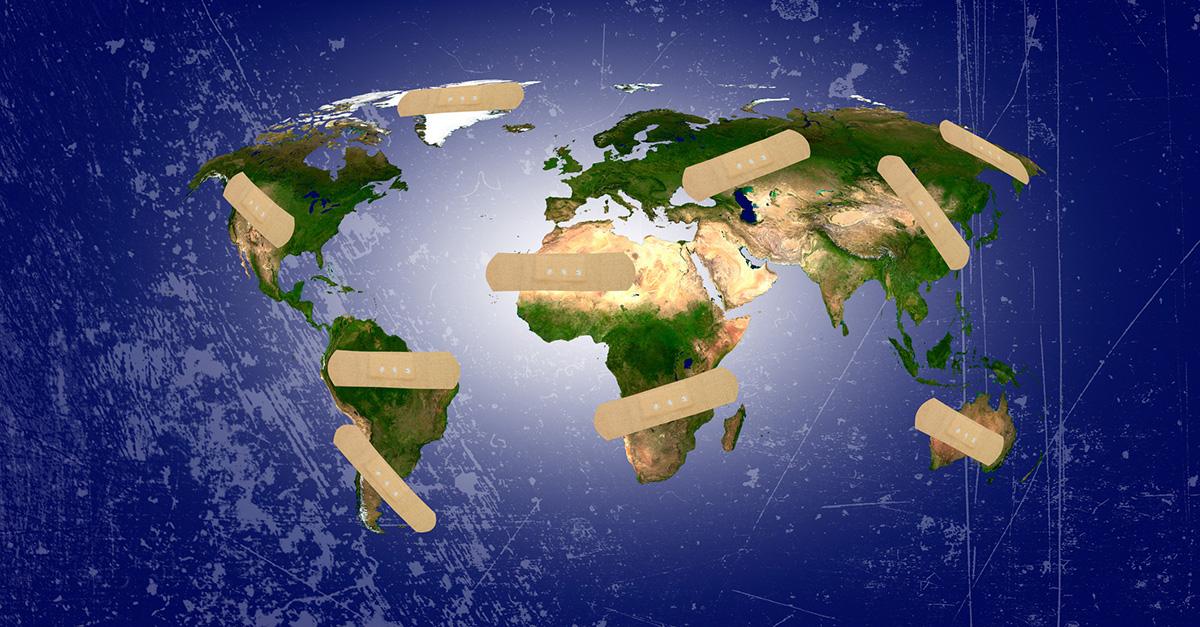
Even if the Middle East conflict ended tomorrow, higher prices and shortages could continue through the year. How should leaders explain that to their stakeholders?
In the US, gasoline prices are higher. In Europe, the cost of making chemicals has surged. In other parts of the world, groceries are in short supply.
Those impacts are painful, but experts say that even if the war in the Middle East ended tomorrow, its impact on prices and product availability could last significantly longer and spread far wider than it already has. Potential disruptions could affect everything from microchip manufacturing to crop production to the number of surgeries performed, along with thousands of other seemingly unconnected metrics that make up the global economy. The result: Regardless of their location or type of organization, corporate leaders are heading for some uncomfortable conversations with clients, investors, and other stakeholders. “Some audiences might expect the bad news, but many employees haven’t thought about these possibilities yet, and you still have to deliver the news,” says Scott Sette, a Korn Ferry senior client partner in the firm’s Global Healthcare Services practice.
This week the International Monetary Fund downgraded its 2026 forecast for global growth to 3.1% from the 3.3% it had forecast back in January. It also raised its expectation for global inflation to 4.4% from its January estimate of 3.8%. The war in the Middle East has halted the world’s economic momentum, IMF chief economist Pierre-Olivier Gourinchas wrote in a blog post accompanying the organization’s latest projections.
These negative economic effects have been delayed, experts say, because many firms have inventory buffers for short-term supply hiccups. For instance, a giant ship got stuck in the Suez Canal in 2021 and delayed 400 others for six days, but things got back to normal quickly once the passage was cleared. This time, however, at least 2,000 ships are anchored just outside the Strait of Hormuz or trapped within the Persian Gulf. Thousands of others haven’t even begun their journeys. At the same time, production of oil, natural gas, fertilizer, helium, and other goods critical to nearly every industry has been significantly curtailed.
CEOs (or at least the ones who’ve been in the job for a couple of years) might be used to these difficult conversations. In recent years, leaders have found themselves drawn into geopolitical issues—including new tariffs, inflation, and AI—far more often than their predecessors were.
During global conflicts, what’s said by leaders—and how it’s said—matters, especially in an age when AI can analyze the language in earnings calls and town-hall meetings according to metrics like sentiment, tone, and complexity. “Unlike conventional metrics, AI can really tell whether or not the communication is transparent,” says Guangrong Dai, senior director of research at the Korn Ferry Institute.
Experts advise leaders to have these conversations with investors and employees as soon as possible and to clearly articulate the conflict’s impacts on the firm—for instance, on energy costs, supply-chain disruption, market instability, and/or recruiting, says Jean-Marc Laouchez, president of the Korn Ferry Institute. “The leader should come across as empathetic, authentic, and—since no one knows what the future holds—neutral.” It’s also critical that executives, client-facing teams, and operations communicate regularly and in a unified way. Importantly, don’t ignore employees' questions, adds Richard Marshall, managing director of Korn Ferry's Global Corporate Affairs search, advisory and growth initiatives.
That transparency should extend to conversations with customers, too. Over the past few days, multiple chemical companies told customers they were raising prices on common plastics found in packaging, films, and containers. Others declared force majeure, a provision freeing parties from liability when extraordinary, unforeseeable events—such as natural disasters or wars—keep a company from living up to its contractual obligations. One chemical company CEO said it could take up to nine months to restore regular service.
For more insights into the Korn Ferry data, see our latest podcast.
Learn more about Korn Ferry’s Board and CEO Services capabilities.