A Brand-New Brand for Gen Z
Gen Z is now the age group most keen on taking a cruise vacation, with 69% expressing interest. Two experts share how cruise lines and other industries are transforming to catch young consumers.

A Brand-New Brand for Gen Z
NOTE: While this transcript has been reviewed, it may contain errors. Please review the episode audio before quoting from this transcript.
Jill Wiltfong:
What made the cruise industry want to turn the tide toward younger people?
Radhika Papandreou:
Gen Z actually will pay more of a premium for an experience.
Jill Wiltfong:
But will it cost companies dearly if old, or often wealthier, customers are turned off by new youth-friendly offerings?
Jackie Bebenroth:
Consumer perception is driving brands to make shifts.
[Husband]:
Happy 40th anniversary, honey, here's to 40 more.
[Wife]:
Oh sweetie. Celebrating by going on a cruise was your best idea yet.
[Captain]:
Ladies and gentlemen, this is your ship's captain speaking. Welcome aboard. We'd like to kick things off by inviting you to the ballroom for our first dance of the cruise.
[Husband]:
I think I still have a few tango moves left in me. May I have this dance?
[Wife]:
Why certainly.
[Husband]:
What on earth is this music?
[Dancer]:
It's house.
[Wife]:
What house? We're on a boat.
[Dancer]:
No, that's the music. Come dance with us.
[Husband]:
Well, honey, looks like cruises aren't what they used to be. What should we do?
[Wife]:
You know, this music is kind of catchy. Wanna give it a try?
[Husband]:
I sure do, so long as it's with you.
[Wife]:
Happy anniversary, sweetie.
Jill Wiltfong:
Hi, this is Jill Wiltfong, Chief Marketing Officer for Korn Ferry. And this is Briefings, our deep dive into leadership. If you haven't been on a cruise lately, you'd be forgiven for imagining a floating island of boomers, buffets, and bocce ball. But thanks to a sea change in branding, pun absolutely intended, you'd be all wrong. Turns out Gen Zers are the age group most keen on taking a cruise vacation right now with 69% describing themselves as either very or somewhat interested. And it's not just cruises. Across the board, industries from fashion to food and beverage are evolving their brands to catch the youngest crop of adult consumers. But will it cost companies dearly if old, or often wealthier, customers are turned off by new youth-friendly offerings? And how will leaders make sure employees can adapt to these massive shifts, not only in brand but culture? We'll get into all of this today as we explore how organizations are building a brand-new brand for Gen Z.
We are joined now by Radhika Papandreou, a Korn Ferry Managing Partner and Sector Lead in Travel, Hospitality, and Leisure Practice. Radhika has spent a lot of time working closely with cruise industry leaders, so I'm excited to get your take on this topic.
Radhika, thank you for joining me today.
Radhika Papandreou:
Thanks for having me, I'm excited to be here.
Jill Wiltfong:
Only about a decade ago, the average age of a cruise passenger was what? Well over 50. What made the cruise industry want to turn the tide toward younger people? And I do also promise that will be my last pun.
Radhika Papandreou:
They recognize that Gen Z, for example, is one of the largest populations in the world today, almost 30% of the world's population, and their buying power is over $350 billion. So, they were very intentional on targeting that generation specifically.
Jill Wiltfong:
It seems like these fancy boat rides would be pretty pricey. Gen Z has 86% less purchasing power than boomers did in their twenties. So how are cruises getting around the affordability factor for these younger buyers?
Radhika Papandreou:
They've done a bunch of studies around sort of demand pricing for cruises, and we've recognized that Gen Z actually will pay more of a premium for an experience. So, there's a little bit of wiggle room, whereas a lot of people that are in the baby boomer generation will look at value cruising. We have a lot of people that are really looking for experience, authenticity, and you know, life changing vacations, so they're willing to pay a little bit more.
Jill Wiltfong:
That's a scene from the 1950s classic, Gentleman Prefer Blondes, where Marilyn Monroe plays a cruise ship performer in one of the scenes. Radhika, when boomers were dominating the cruise business, singing and dance shows like these were pretty standard on board. But you mentioned that to lure Gen Z, the cruise industry has been particularly innovative in leveraging consumer data. They've done engagement surveys, behavioral analytics to really create, as you said, these kinds of curated different entertainment offerings. Can you give us some examples of some of the new experiences that we're starting to see on cruise ships today?
Radhika Papandreou:
One is a private destination. So, they're really combining both on ship and off ship experiences. So, you've seen a lot of these cruise lines have private islands that they're either developing today, or already have. So that's one way. Secondly, you've got dining. Dining is a huge piece of a cruise. If you guys have been on a cruise, you said, you know, there are buffets. People are looking for individual dining. They're looking for healthy dining, healthy options. So, menus are changing, and they're curating them for other generations to enjoy.
Jill Wiltfong:
Thanks to Gen Z and to a lot of those experiences that they are curating, cruise trips are up 6% since pre-pandemic days. It all seems to have begun, or much of it seems tied to a really strong social media effort. Can you talk us through some of the specifics of those social campaigns?
Radhika Papandreou:
They're really targeting Facebook, Instagram, TikTok. They have younger generation influencers that they're talking to and helping activate their brands across the globe. You know, one of the misnomers is that it's, this is just pent-up demand, and people who used to cruise in 2019, and pre-pandemic are the ones that are only cruising now. And that's just not the case. Many, many of these cruise companies are recognizing that they're getting first time cruisers.
[Marty Neumeier]:
A brand is a result. It's a customer's gut feeling about a product, a service, or a company. It ends up in their heads, in their hearts. They take whatever raw materials you throw at them, and they make something out of it, but it's, they're making it, they're creating it. And so, in a sense, when you create a brand, you're not creating one brand, you're creating millions of brands, like however many customers or people in your audience, each one has a different brand of you.
Jill Wiltfong:
That's branding expert, Marty Neumeier, defining what exactly a brand is. Radhika, what's funny is, despite the increase in younger cruise passengers, recent data shows Gen Z has just 31% awareness on average of cruise brands in the market, which is about half the rate of older generations. Why is it still so tough for these iconic cruise brands to register with younger customers?
Radhika Papandreou:
So, I think it's a question of time. To answer that, we have a lot of brand awareness over a long period of time, I mean, cruising becoming popular in the fifties, and sixties, right? That is happening, but it's going to take time to activate the newer generations, and make sure that that brand awareness is there.
Jill Wiltfong:
Taking a step back now, to view the travel industry at large, do you see other sectors like airlines, hotels, undergoing a similar kind of rebranding to lure in these different customers?
Radhika Papandreou:
Definitely in the hotel space, that idea of the solo travelers translating there, it's making places safe, and enjoyable for people traveling on their own, creating experiences which people who are traveling on their own can enjoy. And you see that in restaurants as well. Catering with different tastes and more authentic flavors, and less processed foods. We're absolutely seeing this surge after COVID in all parts of travel and leisure.
Jill Wiltfong:
You've certainly convinced me that it is high time for me to get my Gen Z kids on board—oh, there's another pun, "on board"—with a family cruise, but it sounds like the evolution is well underway, and can't wait to see how it really delivers results. And I'm sure it will. Thanks for coming on.
Radhika Papandreou:
Thank you for having me.
Jill Wiltfong:
After the break, we'll hear from a top branding expert on how firms in other industries beyond cruises, hotels, and restaurants are rapidly evolving their brands to reach Gen Z as well as their own employees. So, stay tuned.
Rupak Bhattacharya:
Hi and welcome to the break. I'm Rupak Bhattacharya and here's a quick look at what else is happening in business from Korn Ferry's This Week In Leadership.
[Chatter 1]:
So why should you definitely leave early from work today?
Rupak Bhattacharya:
Is 4:00 PM on Friday the new quitting time? On average, US workers are logging off one hour earlier on Fridays than in 2021. Leaders say they're worried about waning productivity while employees say flexibility is crucial.
[Chatter 2]:
She files her paperwork for paid time off, and her boss turns it down.
Rupak Bhattacharya:
In January, 56% of employees made PTO requests, an eye-catching jump from an average of 37% each month last year. And how are bosses responding? Just half of these requests are being approved. A gap that's growing year over year.
[Chatter 3]:
A lot of retailers have been pulling out of the city.
Rupak Bhattacharya:
U.S. store closures surged by 80% more last year. That sounds bad, but nearly 5,500 stores also opened as retailers look for new ways to save brick and mortar.
For more insights on business and leadership, head to kornferry.com/insights. Now, back to Jill in our episode, A Brand-New Brand for Gen Z.
[Interviewer]:
What do you wish brands better understood about our generation?
[Chatter 4]:
That you can't just use movements, and people who do care as a checkoff. We're looking for genuine connections to be made that have a lot of thought put into them.
Jill Wiltfong:
With us now is Jackie Bebenroth, Founder and Principal of Muse, a brand strategy and storytelling firm. Jackie, thank you for coming on to speak with me.
Jackie Bebenroth:
Thanks for having me, Jill.
Jill Wiltfong:
That last clip was from The Conversationalist, which is a Gen Z-focused YouTube channel. Jackie, Gen Z has become famous for preferring brands that are purpose driven. But do you agree that many companies right now are just paying lip service to that idea to get their attention?
Jackie Bebenroth:
A lot of brands are well intentioned, however, there are challenges that, most organizations are built with the purpose of driving returns for their shareholders, right? So how do they fit a purpose into that core mission? I think some brands do it better than others, but for the most part we know that 70% of Gen Z is looking to buy from brands that they believe are making a difference in the world. So, it's becoming more and more important as that consumer perception is driving brands to make shifts in their initiatives, and how they express purpose.
Jill Wiltfong:
So, we looked at cruises off the top of this podcast. Do you have some examples of how other industries are doing a good job of transforming their brands to bring in these younger customers?
Jackie Bebenroth:
I love what I'm seeing from major beverage brands. So, one example is these collabs and these music festivals, Gen Z younger audiences are all about entertainment, and collaboration. And so, the more you can entertain and drive experiences through your brand, the better off you're going to be. In the food and fashion scene, again, this theme of collabs has been common. I've recently seen a viral campaign where a major shoe manufacturer partnered with a fast-food fried chicken company to create fried chicken shoe. Now, that seems really silly, but they put that out, got tons of exposure, and it got viral real fast.
[Moneyball movie scene]
Jill Wiltfong:
That was a clip from the film, Moneyball, where Brad Pitt has to convince a room full of dissenters about a groundbreaking new strategy around picking baseball players. Jackie, making a big brand shift externally as a company usually requires smart leaders to do some internal brand evangelism with their own employees to get them on board first. You've actually worked with a major food manufacturer and seen firsthand how they've done this. Can you share some details on that?
Jackie Bebenroth:
So, in one case, with this global food manufacturer, we were actually tasked as the agency to take an ambassador group out into the field. In this case, we were working on sustainability communications. And so, we planned an event to take 12 corporate ambassadors out to tour regenerative farms. And they spoke with the farmers; they could see the soil health firsthand. They started to understand in real tangible terms the impact of what it would mean for them to procure food ingredients from these types of farmers. And then they brought that information back and started spreading the word from the ground up. So, creating sort of this grassroots movement, and not just leaving it as top-down presentation initiative.
Jill Wiltfong:
Looking ahead, Jackie, are there other changes we should expect beyond what we're seeing right now?
Jackie Bebenroth:
I often am fascinated by this concept of the Gen Z being noted as one of the loneliest generations. So here we are as interconnected as ever digitally, but they're still reporting that they're feeling isolated and lonely. I think brands are going to react to that, and we're going to see more communities being built from brand level. We're also going to see more of the concept of belonging come through in brand strategy. And I think Gen Z will certainly jump on that.
Jill Wiltfong:
Big changes to come, exciting changes to come, a lot of things that should bring us together as a society, which is good news indeed. Jackie, thank you so much for talking with me today.
Jackie Bebenroth:
It's been a pleasure, Jill. Thank you so much.
Jill Wiltfong:
The Executive Producer of "Briefings" is Jonathan Dahl. Today's episode was produced by Rupak Bhattacharya, Nadira Putri, and Teresa Allan, and edited by Jaron Henrie-McCrea. It contains reporting by Russell Pearlman, Arianne Cohen, and Peter Lauria.
Our video segment contains original artwork by Frazer Milton, Hayley Kennell, Jonathan Pink, and Sasha Kostyuk.
Don't forget to read our magazine, available at newsstands and at kornferry.com/briefings. That's it for Korn Ferry's "Briefings". I'm Jill Wiltfong. We'll see you next time.
Radhika Papandreou:
Rupak knows I'm not good with this setup thing. I'm okay at talking.
Jill Wiltfong:
No problem.
Radhika Papandreou:
This whole podcast setup thing is not my forte.
Subscribe to series:




Podcast Guest
Jackie Bebenroth
Founder & Principal
Muse Foundation
Jackie leads strategic messaging sessions with business executives to set the course for powerful positioning. Her work, ranging from local restaurant branding to six-figure global initiatives, has flown her around the country to speak on content marketing. She’s picked up a few accolades along the way, most notably a SXSW Interactive finalist award and Content Marketing Institute’s Content Marketing Leader of the Year.
Podcast Guest
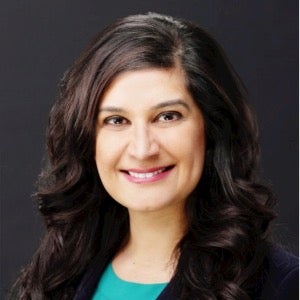
Radhika Papandreou
Sector Lead of Travel, Hospitality, and Leisure Practice
Korn Ferry
Radhika is the Managing Partner for Korn Ferry’s Chicago office. In addition, she leads our North American Travel, Hospitality and Leisure practice. She is also a core member within the Board and CEO Services practice where she focuses on CEO succession and board recruitment.