Stop the Fake Compliments
Are managers praising even poor performance just to avoid conflict? Experts discuss a hidden trait that can damage careers and business.
Stop the Fake Compliments
NOTE: While this transcript has been reviewed, it may contain errors. Please review the episode audio before quoting from this transcript.
Jill Wiltfong
Hi, I’m Jill Wiltfong, Chief Marketing Officer for Korn Ferry, and this is Briefings, our deep dive into topics that corporate leaders need to care about.
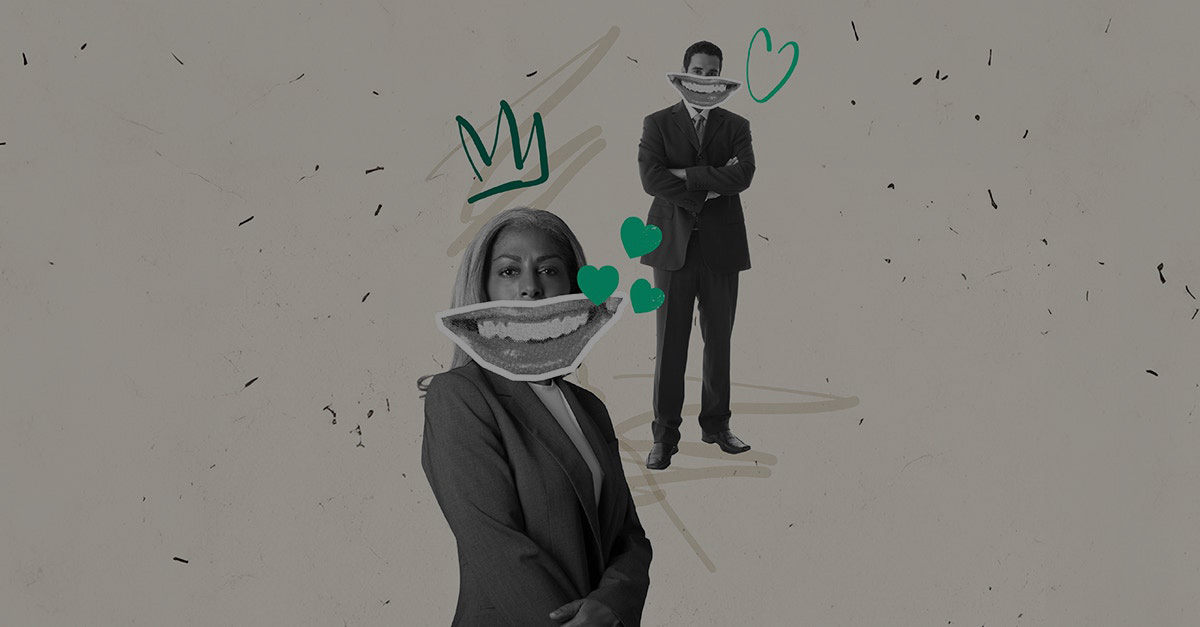
You’re frustrated with a team member’s performance. So what do you do? You would think you’d tell them, right? But if you’ve noticed that it’s harder to do than you think—so much harder that experts say most managers actually just blurt out a compliment. Yes, they praise them for work they didn’t like.
Pretty strange. Except it turns out we’re naturally engineered to avoid conflict. But whether fake kudos are part of a performance review or just a passing comment on a project, they can be pretty damaging—to a business’s overall productivity as well as an individual’s personal growth.
And here’s the thing: people know when a compliment isn’t real. One study found that only 8% of employees who receive insincere recognition feel respected at work.
So today, we’re digging into what’s behind all these superficial superlatives—and what companies can do so professionals everywhere can finally stop the fake compliments.
Before we start, if you’re watching us on YouTube, please be sure to like, subscribe, and leave a comment to let us know your thoughts on this topic.
Jill Wiltfong
I’m joined now by Liz Bentley, CEO and founder of Liz Bentley Associates. Liz is a nationally recognized career coach and a columnist for Briefings magazine, whose eye-opening article on fake compliments sparked today’s discussion. Liz, I’m really excited to talk with you.
Liz Bentley
I’m really excited to be here, and I love this topic too, Jill. We see it come up in coaching all the time.
Jill Wiltfong
So Liz, I think we’ve all been guilty of giving an insincere pat on the back at some point. A lot of people might still be wondering—what’s the big deal? Why, in your view, are fake compliments so damaging in the workplace?
Liz Bentley
You’re absolutely right. Lots of people challenge us in coaching by saying, “What’s the problem? Why is this such a big deal?” And the reason is that it erodes trust.
Cultures and workplaces are built on trust. When you start giving out fake compliments, it becomes confusing and inauthentic. People start to recognize who’s giving those head fakes—telling you something was great when it really wasn’t—and they stop believing what you say. They don’t take you seriously.
Jill Wiltfong
Interesting. Let’s talk about why fake compliments happen in the first place. You’ve written that it’s mainly about our natural tendency to avoid conflict. Is that really the driver?
Liz Bentley
Absolutely. One common scenario is when people experience something they really dislike, but they’re afraid the other person will read their mind.
Let’s say I host a work lunch, I invite you, and it’s terrible. You’re bored, your colleague is bored, no one enjoys it. People are so afraid that I’ll realize how much they hated it that they leave showering me with compliments about how great it was—completely confusing me about how it actually went.
Another reason is simply wanting to be liked. So I might say to a colleague, “You’re so good at giving direct feedback,” when in reality I feel they’re offensive and abrasive.
SOUND BITE INSERT
Jill Wiltfong
That was a scene from the movie Mean Girls, where a character gives a fake compliment and then immediately backtracks in private.
Liz, you’ve said this kind of behavior is actually common in the workplace. Most people aren’t trying to be mean—they’re just afraid of a negative reaction to honest feedback. Can you give us some language we can use to work through these conversations more productively?
Liz Bentley
What we really want is honesty and truth. If you’re at a presentation and you feel the room got lost because there was too much detail, you can say that specifically.
For example: “At times, there was too much detail, and that’s where you started to lose the audience.” That gives context and shows how they can improve. If you just say, “Overall, it was boring,” that doesn’t help anyone.
Jill Wiltfong
What about the classic compliment sandwich—placing critical feedback between two compliments? It’s still widely used, but you say it needs to go away. Why?
Liz Bentley
Completely. I’m really down on the compliment sandwich. The idea was to start with something positive, deliver the negative, and then end on a high note—but it’s confusing. Most people never actually hear the real feedback, so it doesn’t work.
Jill Wiltfong
I want to end by touching on a related issue you’ve identified: fake apologies. You’ve said they’re even more harmful than fake compliments. Why is that?
Liz Bentley
A fake apology usually comes from someone who just wants the conflict to go away. They’ll say, “I’m sorry, it was my fault,” but they don’t mean it—and the problems keep happening.
With conflict, the goal is a good outcome. We’re trying to reach a better resolution so we don’t stay stuck in the same conflict year after year.
Jill Wiltfong
You are really gifted at breaking down why these communication issues matter so much today—and that is not a fake compliment. That is sincere. Thank you so much for joining us.
Liz Bentley
Thank you, Jill. It was great to be here.
Jill Wiltfong
We’ve talked about how fake compliments are often an attempt to avoid workplace conflict. When we return, we’ll dive into what’s actually causing those conflicts—and what to do about them. Stay tuned.
BREAK
Jill Wiltfong
Okay—welcome back. We’ve been talking about fake compliments and apologies, which often mask hidden tensions at work. Joining me now to shed more light on those tensions is David Ferris, a senior client partner in Korn Ferry’s Professional Services practice. David, thanks for being here.
David Ferris
Thank you for having me.
Jill Wiltfong
We just showed a clip from the movie The Other Guys, where Mark Wahlberg and Will Ferrell play coworkers who just can’t get along. We shared that because of a This Week in Leadership article you wrote about conflict management being one of today’s most essential leadership skills. Why is it so critical right now?
David Ferris
There’s so much going on in the world—uncertainty, volatility, economic pressure, geopolitical issues. Organizations are transforming at incredible speed.
The best leaders see conflict as an opportunity. They use it as a platform to drive the change they need across their leadership teams and organizations.
Jill Wiltfong
You’ve also talked about AI and its impact. While a Korn Ferry survey shows most leaders think AI will replace less than 20% of roles in the next two to three years, many firms have cut back—often affecting manager-level roles. That can create tension when there are fewer managers to put out fires. What can companies do to support their workforce through this?
David Ferris
When millennials became the largest generation in the workforce, early research said they wanted seven jobs by age 40. Later, we realized it wasn’t seven jobs—it was seven experiences.
One way to retain talent is by giving employees a portfolio of experiences that propel their careers forward, helping them see a path and positioning the organization as an employer of choice.
Jill Wiltfong
Sticking with AI for a moment, a Korn Ferry study found that 69% of CEOs and board directors say AI and tech proficiency are the most important skills to address in the next few years. Only 38% said emotional intelligence was most important. That feels paradoxical. Is that balance off?
David Ferris
I’d say it’s ironic. As AI takes over more technical and hard skills, what’s left for humans are the soft skills—leadership, empathy, strategic thinking.
AI will continue to erode the need for certain technical skills, but we’ll see the pendulum swing back. Humans will need to augment AI with emotional intelligence and other soft skills.
Jill Wiltfong
Thank you so much for being here. It’s always great to get your perspective.
David Ferris
Thank you for your time.
Jill Wiltfong:
The executive producer of Briefings is Jonathan Dahl. Today’s episode was produced by Rupak Bhattacharyya and Zachary Dore, and it was edited by Jaren Henry McRae.
It contains reporting by Russell Pearlman, Ariane Cohen, Peter Lauria, and Meghan Walsh. Our video segment contains original artwork by Fraser Milton, Haley Kennel, Jonathan Pink, and Sasha Kotzek.
Don’t forget to read our magazine—available at newsstands and at kornferry.com/briefings.
That’s it for Korn Ferry Briefings. I’m Jill Wiltfong. See you next time.
Subscribe to series:



PODCAST GUEST
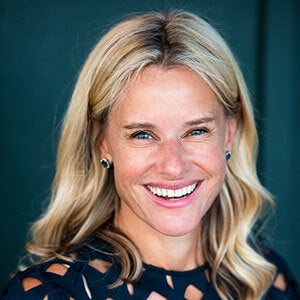
Liz Bentley
Founder & President
Liz Bentley Associates
Liz Bentley is the Founder and President of Liz Bentley Associates, a nationally recognized executive coaching firm that works with top leaders across media, politics, sports, finance, and tech. A frequent contributor to national media and sought-after keynote speaker, she’s known for her sharp insights into human behavior and her ability to drive meaningful business transformation.
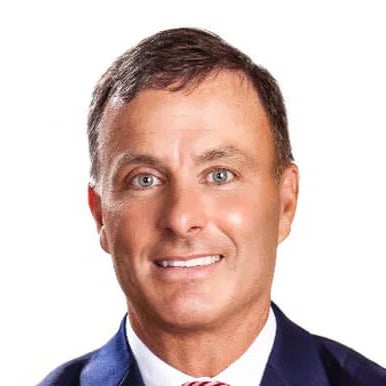
PODCAST GUEST
David Farris
Senior Client Partner, and Sector Lead for the Professional Services industry
Korn Ferry
David is a Global Account Leader, Senior Client Partner, and Sector Lead for the Professional Services industry at Korn Ferry. David has many years of experience in leading global teams around complex multinational clients and delivering integrated solutions that align talent strategy with business strategy.
David has more than two decades working in a multidisciplinary professional services firm, bringing all that the firm has to offer to address strategic pain points for some of the world’s leading organizations. He is a trusted partner and advisor to leaders of our largest clients helping them navigate transformation and gain competitive advantage in their markets. David is also responsible for overseeing the delivery of all workstreams and the 360 relationship between Korn Ferry and our global client organization.