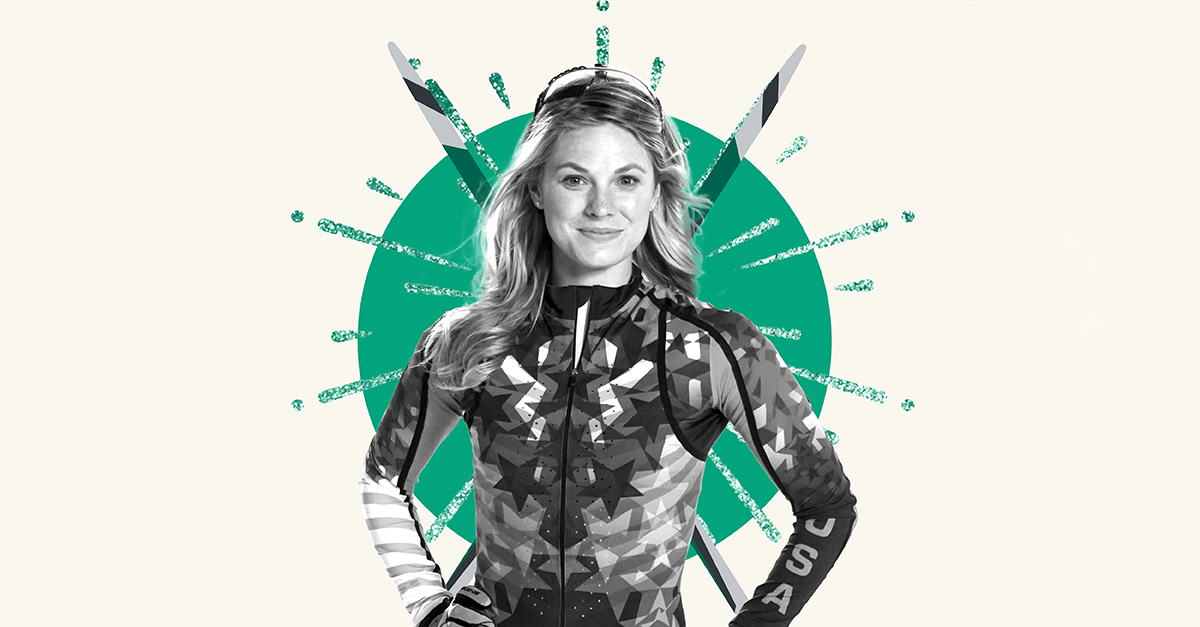
2026: Beat the Odds!
It’s been tough for companies and individual workers to grow revenues or careers lately. A panel of experts discuss strategies for leaders and career climbers in 2026 to sidestep the strife.
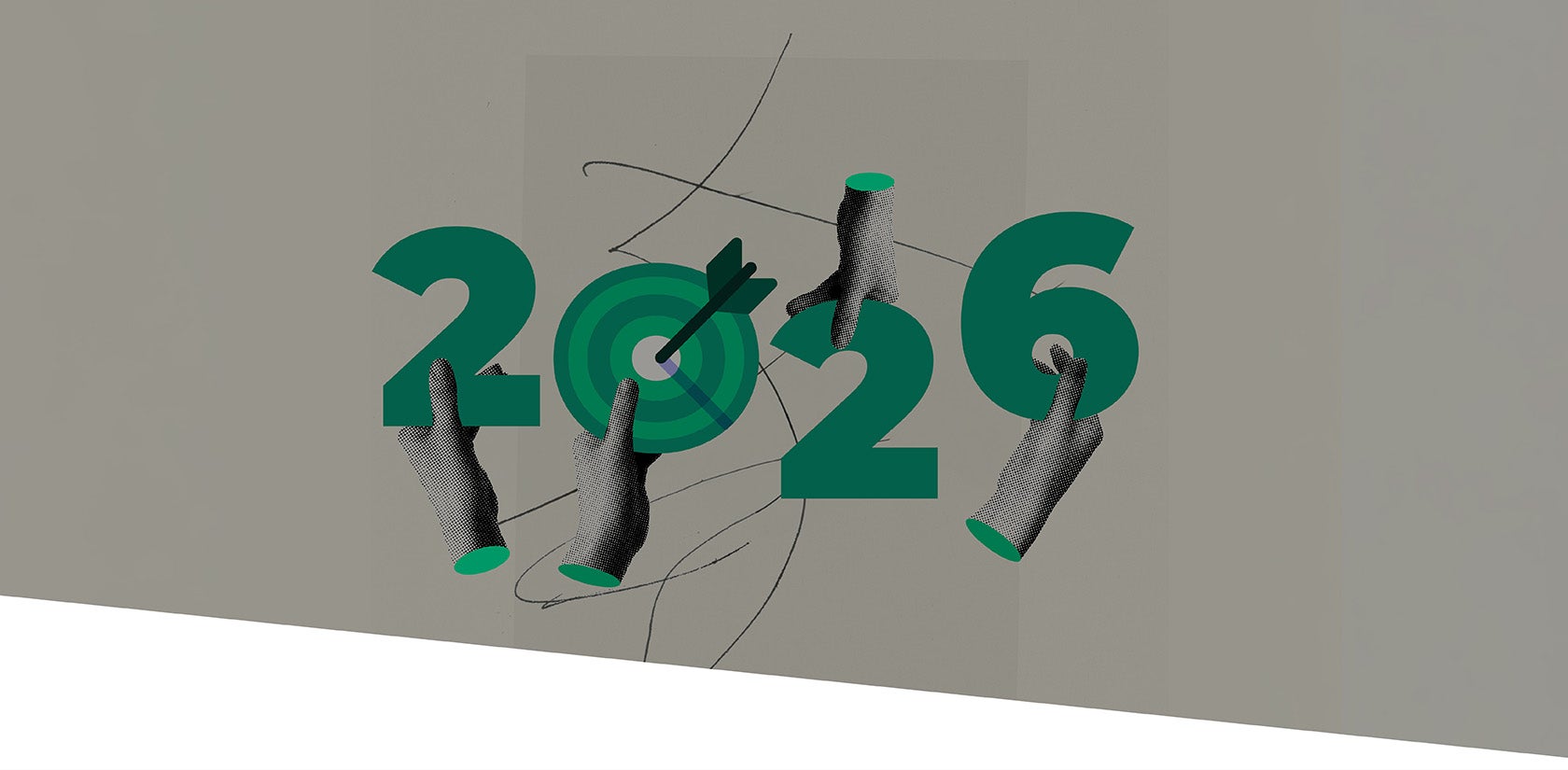
2026: Beat the Odds!
NOTE: While this transcript has been reviewed, it may contain errors. Please review the episode audio before quoting from this transcript.
Jill Wiltfong:
Okay, all right, I am ready—filled with energy. No, I’m riding high on the day. It’s all good. It’s afternoon.
Hi, I’m Jill Wiltfong, Chief Marketing Officer for Korn Ferry, and this is Briefings—our deep dive into topics that corporate leaders need to care about. Let’s be honest: 2025 was a doozy of a year for both companies and employees. A tariff tango that completely upended supply chains, record-high CEO exits in the face of slowing growth, and one of the toughest job markets we’ve seen.
All that doom and gloom has led to a workplace where around half of professionals feel, quote, “emotionally drained” and “used up” at the end of the day. Need proof? Here’s a sobering stat: the number of people taking mental health days has soared by 300% since the pandemic. So yes, it’s rough out there—rotten even. But as we plunged into a new year, we had to ask: does it have to be this way?
We’ve talked to a few experts who say a lot of the problem is more about our current mindsets for turning companies around or landing great gigs. We’ve identified a few key areas where leaders and individuals can focus. And today, we’ve gathered some of the company’s greatest minds from across the globe to discuss them—and to show us how, despite all the challenges leaders and climbers alike face, they can beat the odds in 2026.
On screen: Episode title — “2026: Beat the Odds!”
Before we start, if you’re watching us on YouTube, please be sure to like, subscribe, and leave a comment to let us know your thoughts on this topic. You can also read more about this subject in a great feature in Briefings Magazine, available at airports and online.
Jill Wiltfong:
I’m joined now by four experts from around the globe. From North America, we have Radhika Papandreou and Jean-Marc Laochez. Radhika is Korn Ferry’s President of the North America Region, and Jean-Marc is President of the Korn Ferry Institute. Representing Asia Pacific, we have Korn Ferry’s President of that region, Esther Colwill. And rounding out our esteemed group, we have Iktimal Daneshvar, Vice President of RPO in EMEA.
If anyone knows how to beat the odds this year, it’s you all. Thanks so much for joining me today.
All Guests:
Thanks for having us.
The Always-On Company
Jill Wiltfong:
Radhika, let me start with you. The first area I’d like to focus on is this growing phenomenon of the always-on company. It’s a trend we explore in our Briefings Magazine cover, where executives barely have a moment to rest between change initiatives. Currently, one in five companies is completely reinventing its business every 12 months, compared to every three to five years not too long ago. What happened to cause this dramatic shift?
Radhika Papandreou:
I think it’s really a confluence of events. First is technology and disruption with AI—everything is moving faster. Rapidly changing environments, new technology, new learnings. That’s coupled with consumer preferences changing much more rapidly than before. Things go viral, trends shift, and it all happens in a much shorter amount of time. And then lastly, the absolute uncertainty in the global macro environment is creating a constant need to disrupt your business just to stay relevant.
Jill Wiltfong:
Jean-Marc, is this notion of the always-on company a healthy way to do business in the long term?
Jean-Marc Laochez:
There’s a core reason things are going faster: we are in a platform economy. For decades we’ve had the internet, telecom, mobility—everyone has a screen. AI and new technologies are building on top of that. Influencers, opinion makers, and companies are creating trends very quickly, forcing organizations to adapt at speed. So no, I don’t think it’s healthy. Australia, for example, just passed a law prohibiting children under 16 from using social media because it’s not healthy.
Leadership Pressure and CEO Exits
Jill Wiltfong:
Esther, CEO exits have been at record highs. Do you think this always-on pace has something to do with that?
Esther Colwill:
I definitely do. This level of change isn’t just intellectually challenging—it’s emotionally taxing. It reminds me of sand mandalas made in the Himalayas: beautiful, intricate works of art that are intentionally swept away. The challenge isn’t just building them, it’s letting them go. Leaders often cling to what’s worked in the past instead of clearing space for something new. I suspect many exits aren’t about taking on more—it’s about letting go.
Sound bite insert: “Back to the Future Part III”
Removing Roadblocks
Jill Wiltfong:
That scene shows Marty McFly blasting through a roadblock to get home. Removing roadblocks is something experts tell us companies must do to get ahead—but the hard part is identifying what those roadblocks actually are. Iktimal, what are the biggest roadblocks you’re seeing in EMEA right now?
Iktimal Daneshvar:
There are three main ones. First is structural complexity—many organizations in EMEA weren’t built to move at pace. Second is red tape. And third is change fatigue. When people are tired, they disengage, and productivity suffers. Savvy leaders simplify structures, reduce bureaucracy, streamline decision-making, and invest in training and development.
Jill Wiltfong:
Esther, does that resonate in APAC?
Esther Colwill:
Very much so. Many companies here—especially in more conservative markets like Japan or parts of China—weren’t built for this speed of change. Add to that the removal of middle managers. Those managers often know where work actually gets stuck. When you remove them, leaders lose visibility into deeper roadblocks. Leaders today need to understand what’s happening deep inside the organization, not just at the top.
Jean-Marc Laochez:
We’re applying old models to a new reality. Take AI—it’s treated as a productivity tool, when it’s actually a new form of intelligence that learns and creates more value the more you use it. The question is: how do we operate and lead in that reality?
Thriving With AI
Jill Wiltfong:
Radhika, experts see AI boosting output anywhere from 5% to 40%. Do you think leaders will give that time back to workers—or just push harder?
Radhika Papandreou:
I think it lands somewhere in between. Historically, new technology increased output but not balance. If that happens again, we risk serious wellness issues. Leaders should use AI to reallocate time toward wellbeing, training, and development—creating whole human beings, not just more productivity.
Iktimal Daneshvar:
The fear of mass job replacement is overblown. AI is here to augment roles. Leaders need to examine how time is spent, automate what can be automated, and preserve the human-centric work. It’s a cultural and skills shift—but one with huge upside.
Jean-Marc Laochez:
AI will dramatically reshape white-collar work, just as automation reshaped manufacturing. Some jobs will disappear, but many new ones will be created. The change will be fast and significant.
Esther Colwill:
I’ve seen leaders regret cutting graduate hiring because of AI. You still need people to review, train, and ultimately lead. That pipeline matters.
Beating the Odds as a Worker
Jill Wiltfong:
We’ve talked about companies—now let’s talk about employees. Job cuts were high through much of 2025. Radhika, what’s driving hiring freezes as we enter 2026?
Radhika Papandreou:
Economic uncertainty, AI-related role changes, and intense cost pressure. Even if companies aren’t laying off, they’re hiring much more cautiously.
Iktimal Daneshvar:
In EMEA, geopolitical unrest and tariff uncertainty have hit manufacturing, life sciences, and tech. Hiring is down.
Esther Colwill:
In APAC, wage inflation and employee-friendly legislation—while positive—have increased employer costs. Hiring will be slower and more deliberate.
Sound bite insert: Jeff Su — “Be the master of one.”
Jill Wiltfong:
Jean-Marc, are we moving toward hyper-specialization?
Jean-Marc Laochez:
There’s room for both specialists and generalists. But the most critical skill is learning agility—the ability to adapt as skills evolve.
Radhika Papandreou:
Individuals need to be AI-ready. And don’t forget networking—especially in hybrid environments.
Esther Colwill:
Show agility through real examples. Demonstrate how quickly you can add value.
Iktimal Daneshvar:
Know your story. That’s what differentiates you.
Jean-Marc Laochez:
Be cautious using AI to tell that story—overuse is pushing companies back toward traditional assessments.
Radhika Papandreou:
Leaders should model authenticity too. Some messages should come directly from you—not AI.
Final Takeaways
Jill Wiltfong:
To close, we discussed four themes today: the always-on company, removing roadblocks, thriving with AI, and navigating careers. Which matters most to you as we head into 2026?
Radhika Papandreou:
The always-on mentality—because employee wellbeing is at a critical point.
Jean-Marc Laochez:
Uncertainty and speed. Leaders need a stable center amid chaos.
Iktimal Daneshvar:
Thriving with AI—both internally and with clients.
Esther Colwill:
Thriving with AI as well. The possibilities are extraordinary.
Jill Wiltfong:
Thank you all for a thoughtful and energizing conversation. And to our viewers—here’s wishing you insight and momentum as you head into 2026. Thanks for joining us, and good luck beating the odds.
The executive producer of Briefings is Jonathan Dahl. Today’s episode was produced by Rupak Bhattacharyya and Zachary Dore, and it was edited by Jaren Henry McRae.
It contains reporting by Russell Pearlman, Ariane Cohen, Peter Lauria, and Meghan Walsh. Our video segment contains original artwork by Fraser Milton, Haley Kennel, Jonathan Pink, and Sasha Kotzek.
Don’t forget to read our magazine—available at newsstands and at kornferry.com/briefings.
That’s it for Korn Ferry Briefings. I’m Jill Wiltfong. See you next time.
Subscribe to series:



PODCAST GUEST
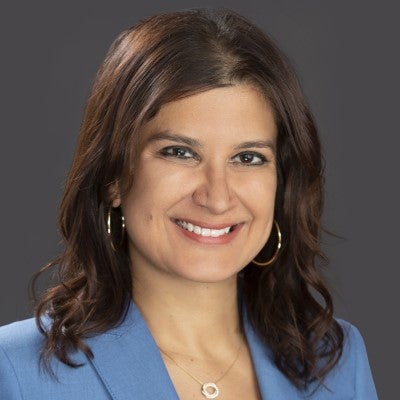
Radhika Papandreou
President, North America
Korn Ferry
Radhika Papandreou is the President of North America at Korn Ferry and a member of the firm’s Global Executive Committee. Based in New York, she oversees Korn Ferry’s North America region. Ms. Papandreou is also a core member within the Board and CEO Services practice where she focuses on CEO succession and board recruitment. Prior to her role as President, Radhika led the North American Travel, Hospitality and Leisure practice and was the Office Managing Partner for the Chicago Office.

PODCAST GUEST
Esther Colwill
President, Asia Pacific
Korn Ferry
Esther Colwill is the President of Asia-Pacific and heads up Korn Ferry in Australia, setting the strategy and overseeing operations across the region. Over the past two decades, Esther has helped some of the world’s leading organisations solve their biggest challenges and supported them through complex transformations. This sharp focus on problem solving and a mission to make an impact has been driving her career as a strategic consultant, spanning more than 25 years.
PODCAST GUEST
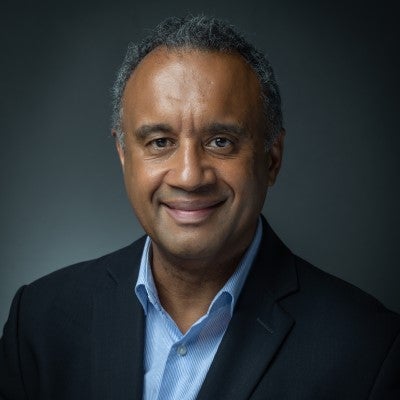
Jean-Marc Laochez
President, The Korn Ferry Institute
Korn Ferry
Mr. Jean- Marc Laouchez is a Senior Client Partner and President of the Korn Ferry Institute based in New York. He is also a member of the Korn Ferry Global Leadership Team. Mr. Laouchez has accumulated over 20 years of consulting experience, partnering with boards, CEOs and business leaders to help them design and implement their strategies. Over the course of his career, Mr. Laouchez has developed a passion for helping leaders and organizations perform and grow by integrating business and people dimensions.
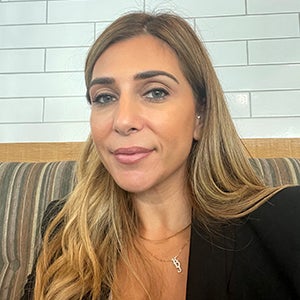
PODCAST GUEST
Iktimal Daneshvar
Vice President, Senior Client Partner, Recruitment Process Outsourcing (RPO), EMEA
Korn Ferry
Iktimal Daneshvar brings more than 21 years of experience working with many of the world’s leading companies to re-engineer and reimagine their Talent Acquisition strategy, systems and processes.