Pay Transparency: Britain and the EU on Divergent Routes
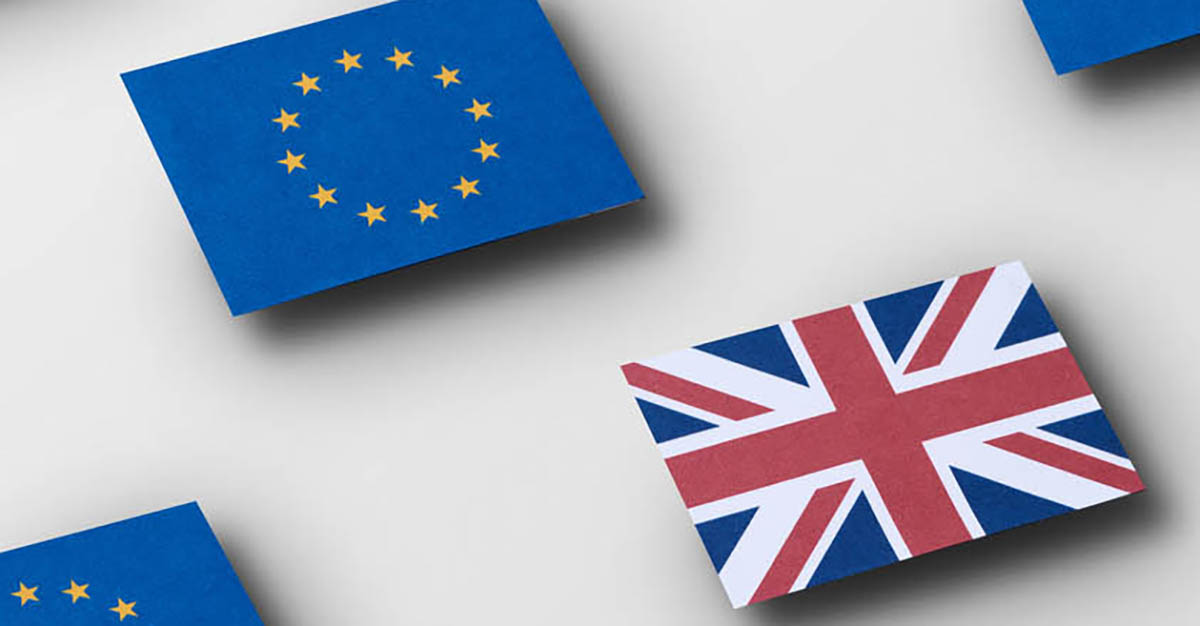
As a key deadline for EU firms approaches, UK firms take a different approach toward pay disclosures. Which will work better?
Businesses have long been less than transparent about who gets paid what. But back in 2018, Britain broke the mold and led the way on mandatory gender-pay-gap reporting. It was a landmark step toward pay equity. And at the time, the UK was the largest economy to have embraced such rules.
But the world of pay is changing fast. The UK is reconsidering its existing pay-transparency rules, which are largely voluntary. And the neighboring European Union is attempting to leapfrog the UK with tighter rules. Meanwhile, many states and cities in the US have put laws on the books requiring job postings to list pay ranges. “The EU saw what Britain did and copied it, then went further,” says Ben Frost, Korn Ferry’s senior client Partner in EMEA.
While the EU’s and UK’s goals are similar—ensuring that there is pay transparency—their respective approaches are quite different, says Tom McMullen, a Korn Ferry senior client partner and total rewards expert. The EU approach is prescriptive and will be backed by legislation that goes into effect this June. It includes financial penalties for companies that don’t fully comply.
The UK’s current system is narrower and more principle based, McMullen says. It relies primarily on gender-pay-gap reporting, but only for employers with 250 or more employees. Britain has general equal-pay protections, but only limited transparency rights. Employees can discuss pay, but not request relevant data. Employers aren’t required to make salary disclosures in job postings, nor are they banned from asking salary-history questions, McMullen says. “In the UK, it’s still largely a communication choice.”
At the moment, communication is where the UK arguably falls further behind. Many organizations have pay programs, but struggle to articulate a clear and compelling “pay story” to employees—particularly around how pay is set, how progression works, and how fairness is ensured. All of that needs to improve, experts say.
Still, the UK seems to be ahead of Europe in the pay-transparency game for now, despite the absence of any legislation to govern it. One study indicated that 70% of UK job listings included pay details, compared to much lower figures in Germany (16%) and Italy (20%)—two of the largest economies in Europe. Experts do point out that the coming EU laws will likely change those ratios.
The pressure on pay transparency goes beyond legislation, says Neelam Chohan, a Korn Ferry associate client partner for EMEA focused on diversity, equity, and inclusion advice. People are demanding more fairness and accountability in the workplace, she says. Gen Z, those currently in their 20s, is openly comparing pay. “It’s no longer a taboo subject,” she says. “Platforms like Glassdoor and Indeed mean pay data is available and employees are comparing companies.”
What will Britain do next? The British government will likely pursue a more robust approach to pay transparency, but will be closely watching as the EU approaches its June deadline, says Ian Milton, a Korn Ferry senior client partner and head of UK and Ireland total rewards. Some EU member states are already requesting more time to comply with the directive on this matter. Either way, Milton believes there is a slight risk that a government push for more pay transparency could affect raises and job creation. “That could be a worst-case scenario,” he says.
Learn more about Korn Ferry’s Pay Transparency capabilities.