Meet Me in the Metaverse: VR in the Workplace
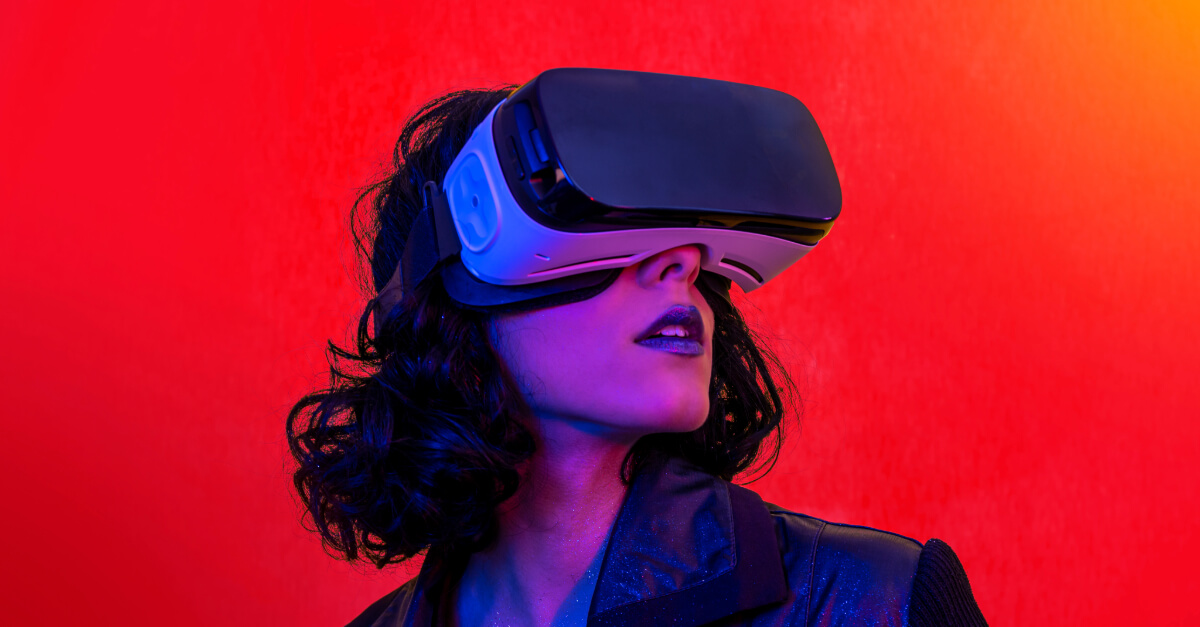
From engagement to workforce training, virtual reality can bring teams together for an immersive experience. But will barriers to entry outweigh opportunity?
Key takeaways
- Lessons from early adopters experimenting with VR in the workplace
- Why training with VR makes the experience more memorable for employees
- How employee avatars break down inclusion barriers
- What obstacles VR will need to overcome to become mainstream
We’re all familiar with “Zoom fatigue,” but could the metaverse be a viable alternative?
From AI to VR, technology is rapidly upending traditional approaches to employee engagement. While AI is primed for immediate use in the workplace, barriers to widespread VR applications remain. Costs, technology hurdles, data security, and physical side effects, like eye strain are challenges. Yet while some people feel AI is minimizing human connections, the benefits of the metaverse—the ability to interact in 3D environments where people feel immersed in the action—remain an enticing possibility for many organizations focused on employee well-being.
The future of virtual reality in the workplace includes practical applications for employee training, engagement and connection—and could one day make video calls as dated as dial-up.
Let’s meet in the Metaverse
First, a quick primer on the metaverse. To join this immersive reality, individuals wear a headset that helps the brain have a true physical experience in the virtual world. Just like meeting in real life, when you meet someone in VR, you reach out your physical hand to shake their hand. If you’re in a large meeting and want to have a private conversation with someone, you get up and walk to the side. Your body is moving within this physical space. That’s a big difference from a video call room, made up of co-workers squinting into their computer cameras, toggling their mics on and off.
The metaverse isn’t replacing in-person connection anytime soon. But when being together in person isn’t possible or practical–especially for geographically dispersed remote teams –the metaverse may be the next best thing.
“As companies continue to bridge the gap between in-person and remote teams, keeping employees connected is critical,” says Chad Astmann, Senior Partner at Korn Ferry. “A VR headset levels the playing field by bringing everyone into a shared experience. Right now, early adopters are focused on learning development and employee training.”
VR in the workplace: What global organizations are doing
On his podcast, Astmann recently discussed how organizations use VR for employee training, particularly how a global hotel brand uses the metaverse for head office employee empathy training. The goal is for head office employees to understand the frontline employee experience, covering everything from front desk check-in to delivering room service carts.
Similarly, a major retailor has now trained over one million of its global customer service employees with virtual reality. As an example, the VR training currently being utilized in Walmart offers teams two key benefits. First, employees can cover more content faster since they are actively role playing versus passively absorbing training manuals. Second, the content was is “stickier”, making a longer-lasting impression on employees by allowing them to practice the skills in the moment in hyper-realistic scenarios.
Meet your VR workplace avatar
What do employees look like to one another in the metaverse? This is a question that organizations are exploring, particularly when it comes to representation and inclusivity.
The goal is for an avatar to show people the way they wish to be represented. For example, if an employee uses a wheelchair, they should have the option to be shown with one. There are also additional opportunities for inclusion. A camera on a virtual reality headset can pick up ASL and translate that into captions for someone else, helping people be more engaged and connected.
Unlike a video call where employees have the option to turn their camera off, the metaverse requires everyone to have an avatar.
“On a video call if someone turns off their camera, there’s a perception they’re not engaged or focused on the meeting,” says Astmann. “Of course, the reality may be that person isn’t feeling well or didn’t have a chance to be dressed as professionally as they might like. In the metaverse, everyone has an avatar. It levels the playing field. The employee can still show up as their best self, even if they’re sitting at their desk in sweatpants.”

Overcoming barriers to entry
Costs, a negative user experience, and integration hurdles are three primary barriers to VR adoption in the workplace. Today’s VR technology has already come a long way in a short time, and industry leaders are continuing to make rapid leaps forward for user experience and comfort. But not all employees are on board yet.
“If someone only tried a headset once for gaming or entertainment, they may remember a clunky and uncomfortable experience, or even have felt sick after extended use,” says Astmann. “User experience is improving dramatically, but companies will still have to counter these lingering perception problems.”
Another challenge: like any new technology, there’s a natural concern about how VR will change human interaction. But just like with video calls, VR won’t replace the importance of human-to-human interaction in a real physical space.
One thing that’s helping: overall costs are continuing to decline. Prices for entry-level headsets, for example, are continuing to fall. This makes it more affordable for companies to experiment with the technology and help employees experience the benefits.
Looking ahead: The future of virtual reality
From engaging workforce training to more genuine virtual connections, the metaverse offers an array of opportunities, but are employees interested?
A study of 1,500 employers in the U.S. conducted by ExpressVPN found that 3 in 5 employees and 4 in 5 employers are interested in an immersive workforce. The potential is there, but companies need to be willing to experiment.
“While many people have tried VR headsets, they’ve done so in the context of gaming and entertainment, so bringing VR to the professional world can seem like a leap,” says Astmann. “As people become more familiar and confident using VR, the benefits of an immersive experience over a flat 2D video call will be clear.”
Organizations can start by identifying use cases for implementation and set up internal trials for employee feedback. Static, passive experiences—like employee training— are ripe for transformation. Like any new technology, VR is a tool, not a magic bullet. In addition to investing in new tech, organizations must also invest in their people to unleash their true potential.
Curious about what’s next for VR, AI and how advanced technology is impacting human capital management? Find related articles here, or contact one of our experts.
