4 Human-Centered Factors Behind Industrial Growth
Discover how structure, leadership, people, and culture come together to fuel real transformation in manufacturing.

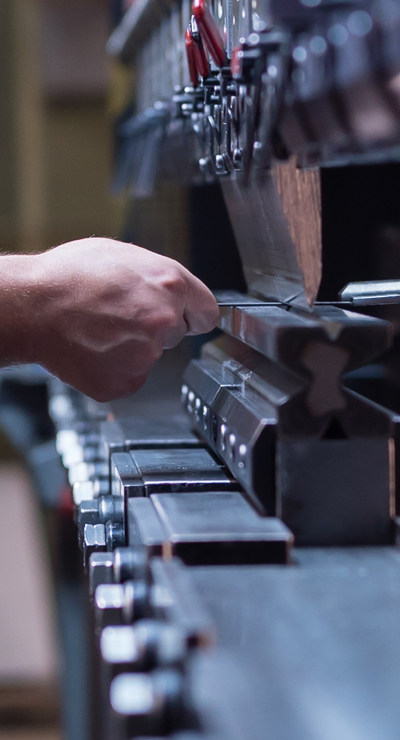
From Plant Floor to Performance Breakthrough
The hum of a new automation line. A merger that reshuffles teams. Experienced workers retiring with no clear successors. In manufacturing, there’s always something changing.
Whatever the reason for the shift, industrial transformation these days is more than a strategic initiative—it’s a daily reality. Rather than a one-time initiative or a tech upgrade, transformation is a continual process. And while new tools and systems play a role, the biggest challenge and opportunity is people.
Driving growth in a manufacturing environment requires a human-centered approach to transformation, grounded in four essential factors—structure, leadership, people, and culture.
Key Insights
How structure shapes growth in complex manufacturing environments
Why strategic leadership accelerates transformation across all levels
Why people, not technology, make change stick


1. Structure: Designing for Agility Without Losing Precision
When manufacturers grow, whether through new markets, M&A, or digital transformation, the structure that once served them starts to strain. Teams often still operate like they’re half the size with half the complexity. The result? Redundancies, friction, and missed opportunities.
Structure is more than an org chart. It’s the operating system of your business.
Ask yourself:
- Are your teams designed to support your growth strategy?
- Are workflows aligned with lean principles or legacy assumptions?
- Are decision rights clear between HQ and plant-level teams?
Our Six-Step Structural Approach for Agile Growth
- Clarify transformation goals pertaining to growth, efficiency, and expansion.
- Define future-state models, both operational and workforce.
- Design leadership architecture to determine who makes decisions where.
- Rebuild workflows and roles for speed and accountability.
- Link metrics to rewards, matching KPIs and pay structures.
- Activate the plan, mapping people to roles with clarity.
In manufacturing, following these steps often includes tweaking plant management structures, bridging silos between operations and engineering, and building job architecture that supports automation without sidelining people.


2. Leadership: The Key to Executing on Strategy
In every high-performing plant, there’s a leader who rallies teams during change, speaks honestly in tough moments, and matches execution to vision.
Across many manufacturing organizations, those leaders operate in pockets, while the top team remains disconnected or overwhelmed. But transformation only thrives when accountable and empowered leadership syncs at every level.
To coordinate executive and plant leadership, use the Assess > Align > Accelerate approach:
- Assess how the executive leadership team and plant managers work as individuals and as a team.
- Align them on purpose, roles, and operating norms.
- Accelerate results through targeted coaching, shared goals, and decision-making discipline.


3. People: The Way to Power Lasting Transformation
Advanced automation. Smart factories. Predictive maintenance.
The technology side of transformation gets a lot of attention. But no matter how much you invest in tools or systems, change won’t stick without people who believe in it and leaders equipped to drive it forward.
Korn Ferry’s Workforce Survey 2025 revealed that 57% of industrial leaders say that their workers are resistant to the tools of digital transformation like AI and other technologies. That resistance creates a significant challenge because skills for the future are a business priority for 24% of manufacturing leaders.
To accelerate transformation, you need a workforce that’s sized right and skilled enough to meet the demands of automation, AI, and the industrial internet of things (IIoT). You also need leaders who understand plant-floor realities and can connect strategy to daily work.
To build that kind of workforce, focus on getting these four things right:
- Clarity on what great looks like. Success profiles help define the skills, traits, and behaviors needed in critical frontline roles at all levels so hiring, training, and promotion are grounded in real expectations.
- A forward-looking workforce plan that anticipates future capability needs. With the rise of automation, AI, and IIoT, manufacturers need to invest in reskilling before gaps appear.
- A value proposition that resonates. Hourly and skilled workers want more than paychecks. They want to feel safe, supported, and valued. This is where a strong EVP and employer brand make a real difference. That’s why 47% of CHROs report that they are investing more in talent retention, culture, and employer value proposition in the next two years.
- Ways to retain what’s working. Internal mobility and thoughtful rewards help keep institutional knowledge in-house and give people a reason to stay and grow.
Manufacturers that get these factors right aren’t just reacting to change—they’re building the capacity to lead it.


4. Culture: The Shift That Makes Change Stick
Culture has to be more than a corporate buzzword. On the shop floor, it’s lived every day in how problems are solved, how leaders show up, and how safe employees feel speaking up.
If structure is the scaffolding of transformation, culture is the glue. Korn Ferry's 2025 World's Most Admired Companies survey reveals that a culture that supports change is one of the top success criteria among leading organizations.
“The World’s Most Admired Companies understand that innovation stems from embracing change, not resisting it. They have built cultures where new ideas are nurtured, risks are viewed as growth opportunities, and teams are empowered to challenge the status quo. Those who recognize disruption as a catalyst, not a threat, are the ones shaping the future and driving lasting success.”
Mark Royal, Korn Ferry Senior Client Partner and Employee Engagement Specialist
Manufacturers must go beyond compliance to build cultures where innovation, safety, and accountability are everyday behaviors.
Focus on:
- Identifying influencers across shifts and teams.
- Tracking behavior changes through sentiment data and social listening.
- Co-creating cultural movements around safety, quality, or continuous improvement.
Action Item: Introduce “Culture Catalysts” across all shifts, peer leaders who help embed new safety norms and recognition behaviors. Watch incident rates drop and trust scores climb.


When Everything Connects: A Blueprint for Resilient Growth
When structure, leadership, people, and culture move in tandem, transformation becomes more than an initiative. It becomes how work gets done day in and day out.
Manufacturers then see real results:
- Faster integration post-M&A
- Smoother tech and automation adoption
- Stronger frontline performance
- Greater organizational resilience
But even the best-designed strategy won’t deliver if your teams can’t see themselves in it.
Resilient growth comes from within. It comes from leaders who model change, people who believe in the mission, and systems that remove friction instead of adding it.
Ready to Make It Happen?
Reach out to a Korn Ferry industrial expert and get the conversation started.

