Buy Now, Regret Later?
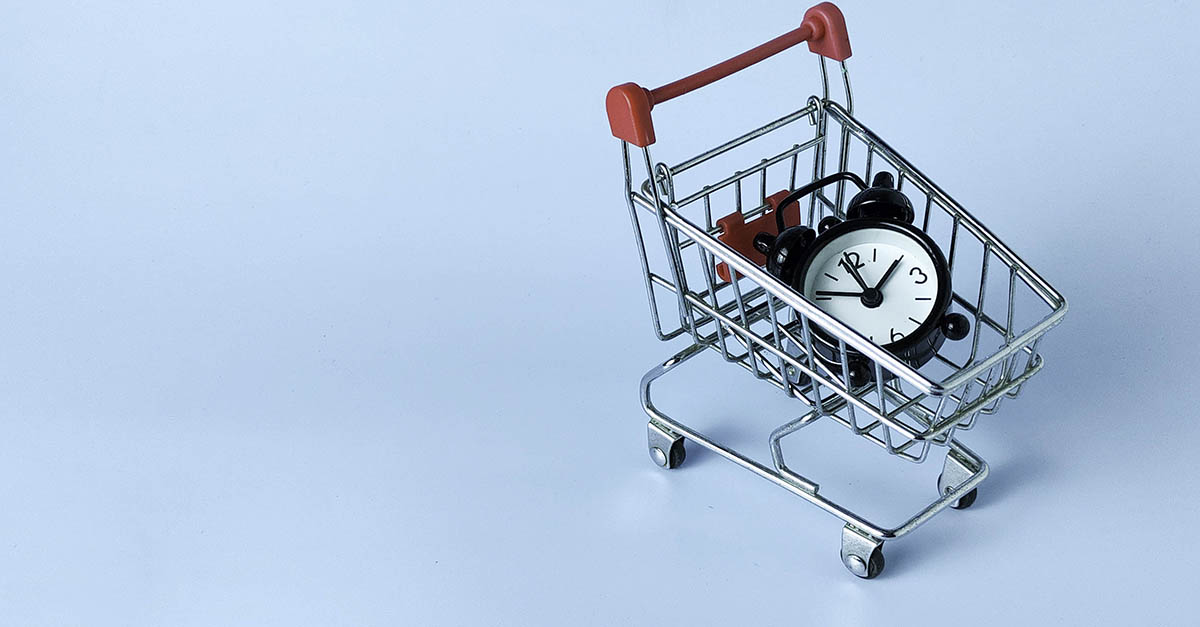
Some 45% all consumers planned to use “buy now, pay later” loans for holiday shopping. Why the jump in these plans may backfire on retailers down the road.
The television she’d been eyeing for months was suddenly half off. She didn’t have the $800 to pay for it, but she didn’t need it: The store’s “buy now, pay later” plan allowed her to pay in four $200 installments, starting next month. She set up the TV in her living room that very afternoon.
Buy now, pay later (BNPL) has hit the mainstream: Nearly half (45%) of consumers planned to use it on at least one holiday purchase, an increase of 13% year over year, amounting to an estimated $20 billion in holiday spending, according to figures from Adobe Analytics. It comes at a moment of mounting U.S. consumer debt, which reached a record of $18.6 trillion last year, up from $17 trillion in 2023. “That’s a yellow flag,” says Tierney Remick, vice chairman of the global Board and CEO Services practice at Korn Ferry. “Consumers are being squeezed.”
Some retailers have seen BNPL loans as a godsend, in part because it keeps consumers buying at a time when inflation continues to pinch them. What’s more, BNPL companies, not retailers, take the initial financial risk because they repay the retailers when a purchase is made. But analysts worry that these plans contribute to the mounting consumer debt and may harm retailers down the road as consumers loaded up on these plans go broke. Other industries that rely on consumer spending such as auto, travel, and restaurants, could be hurt too.
Under the plans, consumers pay the balance of their purchase off in installments, typically with no interest for shorter-term plans. (Missed payments can incur significant interest.) But if consumer debt load continues to grow—and it shows no signs of stopping—a notable portion of customers will eventually max out their debt.
To be sure, consumers buying items without full payment on hand is as old as shopping. Layaway was popular from the 1930s to 1970s, allowing customers to place a deposit on an item, which was also held at the store until the customer fully paid for it. Credit cards largely replaced layaway, shifting the risk onto credit card companies, while also opening up a lucrative source of income for retailers who offered their own credit cards.
But analysts believe BNPL has pushed the partial payment concept into a whole new level. BNPL debts are not centrally tracked, leading to no clear picture of consumer use, but some BNPL services do not run a credit check, nor do they appear on credit reports unless delinquent, and so a consumer might hold a half dozen payment plans simultaneously. (Thus, six lenders might all take losses from the same customer.) A quarter of BNPL users made a late payment in 2025, up from 18% in 2023, according to the Federal Reserve. “These are people who already didn’t have the money to pay for their purchases,” says retail expert Craig Rowley, senior client partner at Korn Ferry.
For now, retailers are crossing their fingers. At the moment, BNPL is a boon: This past year, stores were able to sell over $120 billion in product that might not have sold otherwise. “It’s good for retailers, especially in good times,” says Rowley. The doomsday scenario comes when the economy retracts and people are laid off—many of whom had recently bought appliances and dresses and cruises on BNPL. The $120 billion question remains: Will they have the cash to pay it later?
Learn more about Korn Ferry’s Organization Strategy capabilities.