
Black Swan Memories
So-called black swan events can affect our body chemistry and thinking.

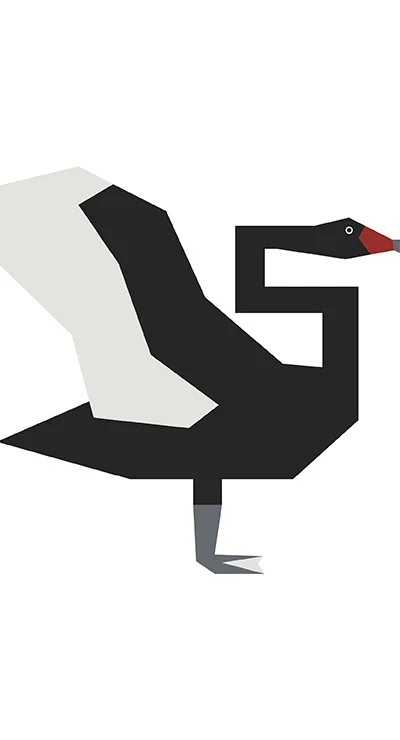

May 30, 2025
Remember that you are a Black Swan.
~ Nassim Nicholas Taleb
I was late to work, just hanging out on the deck in my Brooklyn Heights apartment, when I noticed a faint trace of smoke above the lower-Manhattan skyline. I didn’t pay much attention to it until I heard the sirens. They had suddenly become very loud, both on my street and far off in the distance. Standing outside, it was as loud as a rock concert, confusing and scary. I swear that it’s that sound, more than anything else, that throws me back to that day—September 11, 2001.
My brother called me; he was stuck somewhere in the Midwest on a business trip. Friends called too. You would think as a Wall Street Journal editor back then I’d have turned on the TV, or checked in with the newsroom. But I didn’t. All I recall is pacing in my apartment, with a strange sensation that approached panic. And closing the door to the deck, to shut out the sirens.
This was my adult introduction to a so-called black swan event. Ancient Romans believed black swans didn’t exist, so they coined the term to describe something extremely rare. In the late 1600s, after the Dutch discovered black swans living in the wild, the phrase gradually acquired the meaning it has today: a truly jarring, world-shattering moment that—in retrospect—we should have seen coming. We think of black swan events, like the 2008 financial crisis or the COVID-19 pandemic, as extraordinarily rare.
According to Korn Ferry’s own Miriam Nelson, who’s both a PhD in industrial/organizational psychology and a leader in our North America Assessment and Succession practice, these events can affect our body chemistry and thinking. They can actually raise our cortisol levels and speed up our heartbeat. “Our cognitive functioning is legitimately compromised. It can hurt our ability to think long term,” Nelson says. “It’s something both physical and emotional.” To this I can relate: One day, you’re one way; the next day, you’re different, and nothing feels the same.
I mention all of this because we recently published an article in our This Week in Leadership email— “Beware the Black Swan”—that explored whether these events are becoming more common. Certainly, April’s stunning tariffs announcement and two-day market collapse looked and felt like a black swan event to many people. And if we consider recent wars or jumps in inflation, black swan events do seem to be happening more frequently. To me, a key—and dreadful—component of these events is how, according to some experts, their “suddenness” can seem so predictable in hindsight. It creates something many other jarring moments do not: a terrible sense of regret. I should have done this, I should have done that.
I firmly believe that leaders today need a special set of skills to get through such events. To make the right calls, even as others question them. To recognize the changes in our body and emotions, and to find ways to remain calm and look ahead. To not let the blaring sirens in our heads take over.
Photo credits: Diane Ramic/Getty Images
