
From Forest to Fork to Corner Office
The practice of foraging in the woods offers insights for the office.
May 30, 2025
Ksenija Frelih usually leaves her office in the capital of Slovenia by 3 pm, driving an hour home to the farm where she lives with her family. The 43-year-old has worked in a variety of corporate quality-assurance roles. These days she serves as a liaison, supporting higher-education institutions in preparing students with practical skills to transition into the workforce. Frelih thinks a lot about the conditions and competencies that foster success—and it’s her experiences outside of the office that provide much of that insight.
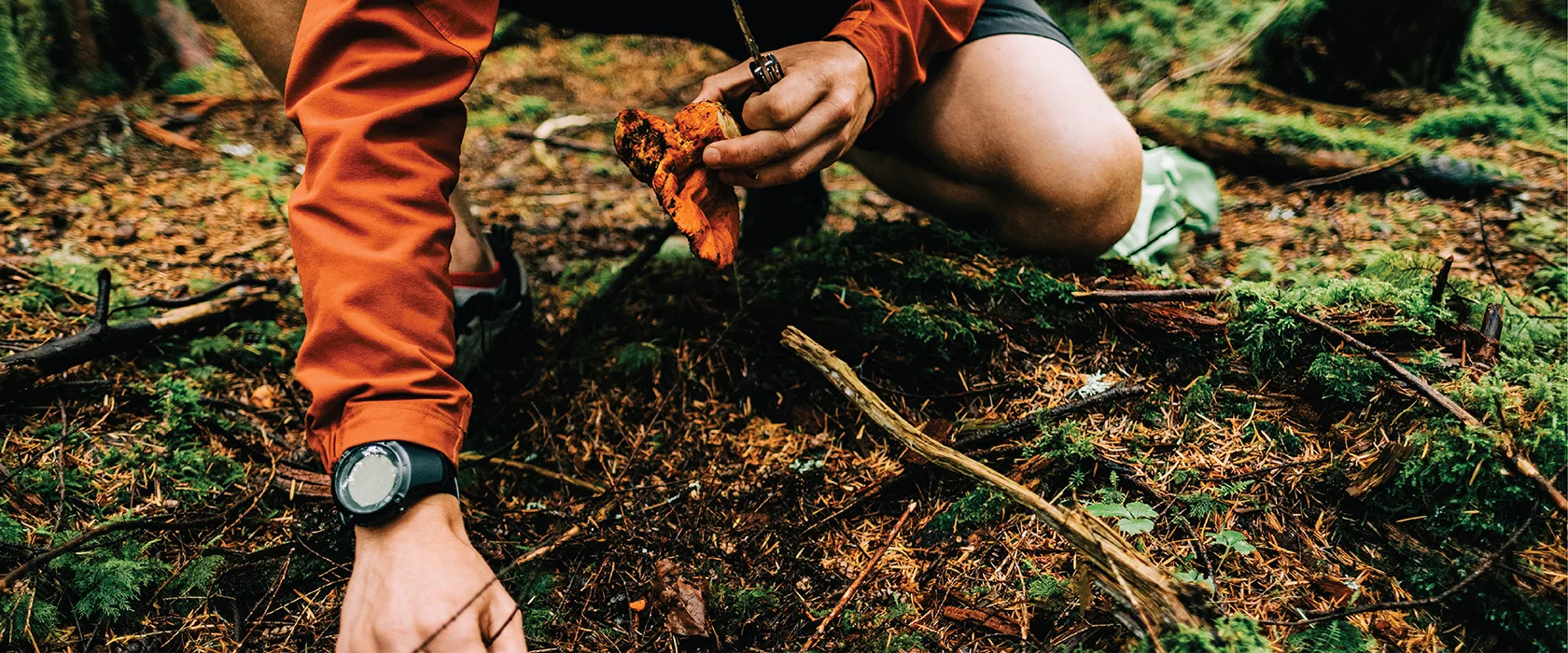
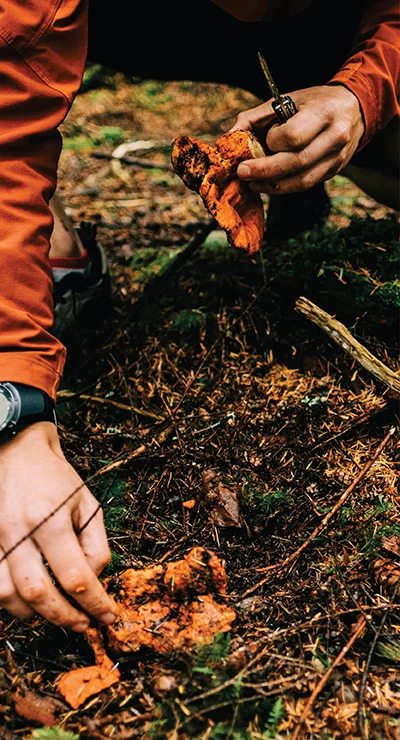
Leaving work midafternoon allows Frelih plenty of daylight to forage. Lighting is an essential component to spotting wild-growing mushrooms. “Sometimes you won’t see any mushrooms, then you revisit the same place and the lighting is different, and they will pop,” says Frelih, who happened upon foraging while walking her dog. The metaphor for business leaders is an obvious one.
“When I started my professional career, I went from one promotion to another. With each step up the ladder, your horizon is a little bit wider, but it gets harder to see farther down,” Frelih says. “You can read a book about how to spot mushrooms, but, in the end, it's about the miles you've walked looking at the forest floor.”
Since the pandemic, the practice of spending long hours hunting for rare, flavorful, and nutritionally dense mushrooms has become somewhat of an obsession for many. (We’re not talking magic mushrooms, which are illegal in many US states.) Over the last decade, fresh-mushroom sales have increased 20 percent, while demand for specialty mushrooms has doubled, according to research firm Circana. People are bypassing stores to pick the specimens directly.
It’s a practice Mike Kempenich, who spent 17 years as a corporate recruiter, eventually turned into a full-time career with the launch of Gentleman Forager. When Kempenich was growing up, every spring his family would collect grocery bags full of morels, whose abundance and meaty, nutty flavor earned them wide acclaim as the gateway mushroom. Sure enough, as an adult, Kempenich expanded his search for less common varieties. After several years studying the biology of fungi, he began to cultivate the rare spores he found in the Minnesota forest and sell them to high-end restaurants and grocers. It turns out cultivating mushrooms is not unlike cultivating workers. “That mushroom isn't going to grow unless you give it what it wants,” the 60-year-old says.
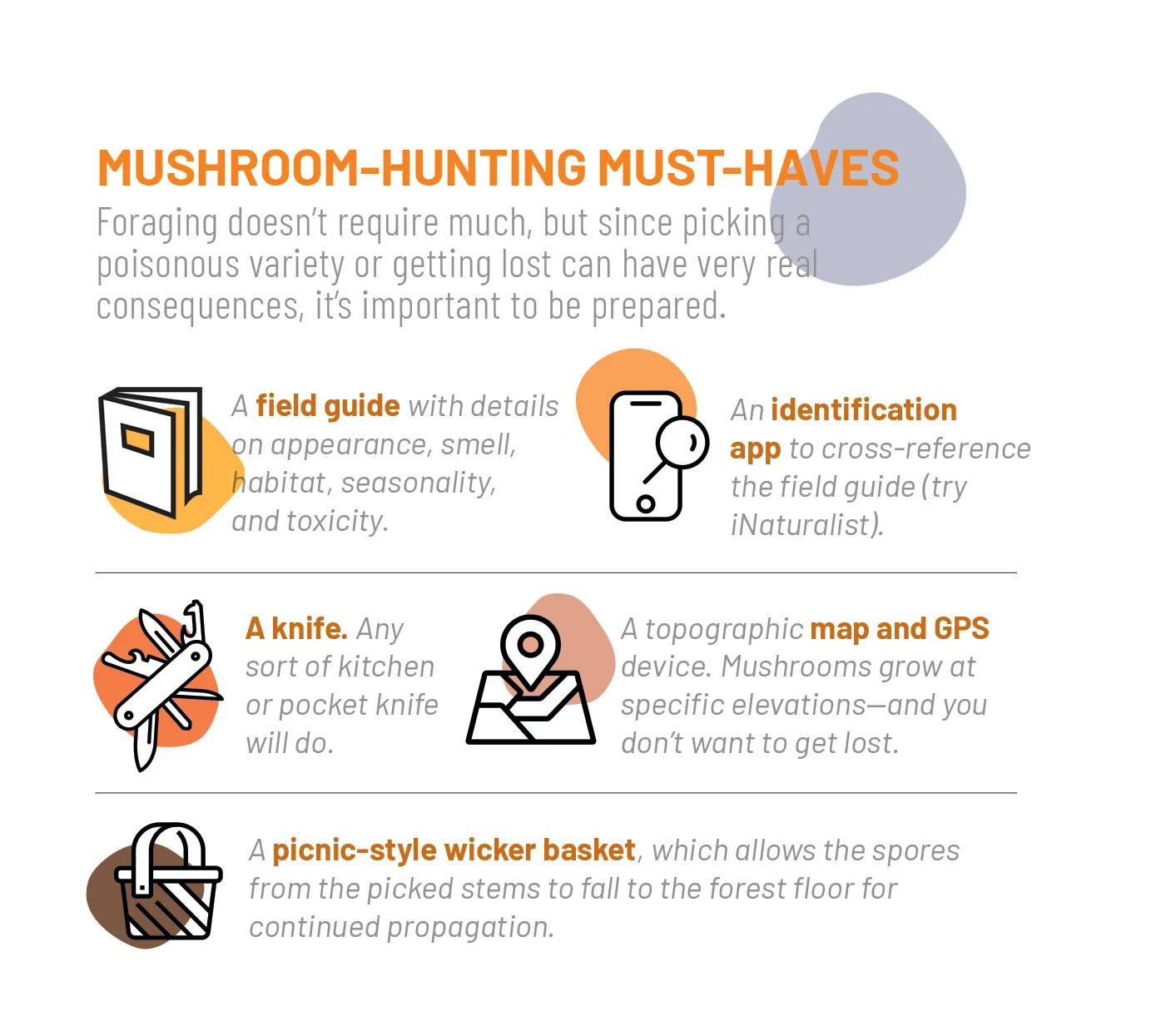
Over the years, Kempenich pivoted to focus on creating healthy convenience foods with medicinal mushrooms. Think orange sparkling water with lion’s mane for improved cognitive function. Roughly two decades ago, when Kempenich first started spending long hours foraging in the wild, his friends thought he’d lost his mind. But now public interest in the culinary and nutritional value of mushrooms has proved to be more than a fleeting pandemic trend.
“It’s an endlessly fascinating science,” Kempenich says. “The more you learn, the more questions it raises and the more you want to learn.” Foragers come to know not just seasonality and the conditions that prompt fruiting, but also the symbiotic relationship mycorrhizal mushrooms have with certain plants. Hoping to find chanterelles? Look for oak trees. If you’re after porcinis, expand your search to include birch. “It’s like a giant Easter-egg hunt,” Kempenich says.
Part of Kempenich’s work includes educating amateur foragers, including corporate clients. Like Frelih, his customers come to experience the awe not just of expansive vistas, but of the intricate unfoldings of the forest floors. “There is all this stuff that happens out there that no one ever sees,” Kempenich says. “With foraging, you purposely move quite slowly, so you notice so much more. The beauty around you becomes much more pronounced.”
Photo credits: Courtesy of Ksenija Frelih; Courtesy of Mike Kempenich; CSA Images, Pavlo Ozarchuk, BananaJazz, Skarin, Palau83/Getty Images
