
A Change of Diet. A Case of Indigestion?
People are changing what they eat. Can the food business, from fast food to groceries, keep up?


January 1st, 2026
As a busy, career-minded, single woman living in New York City, Nina Mehta sees dining out as an important part of her professional and social life. Or, rather, she did. The digital-media producer has been going to restaurants a lot less frequently lately. She’s also been ordering in less and being more intentional about what she cooks at home—and not just to be healthy. Rising food costs, an unsteady economy, and a long period of unemployment following a layoff have, as she understatedly puts it, “impacted my finances.”
THE PROBLEM The food business has rarely faced so many changes in consumer tastes so fast.
WHY IT MATTERS Restaurants, fast-food chains, and grocery stores form a major pillar of the global economy.
THE SOLUTION Create more nimble organizations that won’t be caught off guard by rapid change.
“Saving money was a huge reason for changing how I eat,” says Mehta, who says she’s cut her eating and ordering out from one to two meals per day to less than one per week.
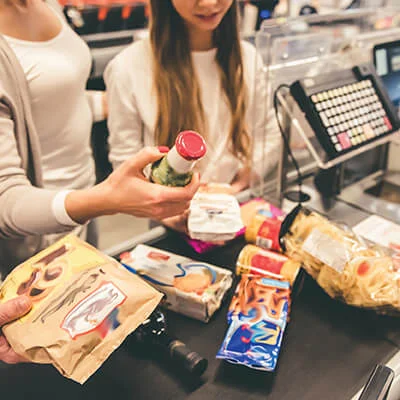
Mehta isn’t alone. She’s one of the tens of millions of people around the world who are changing their food habits and giving a host of huge businesses—from restaurants and fast-food chains to grocery stores—a serious case of indigestion. While some of the changes may be temporary, they’re creating enormous challenges for big firms to keep up with, and industry pros fear many may reflect more permanent lifestyle changes. Already, the health-food craze that so disrupted food businesses seems here to stay, while inflation sent waves of shoppers to discount aisles, and they never left. Now, everything from tariffs to an out-of-nowhere boom in the use of weight-loss drugs is shifting habits even more. In the US alone, six million people trying drugs like Ozempic and Wegovy find themselves eating a lot less and a lot differently.
“Determining what’s a fad versus a trend is one of the hardest things for a food leader today to figure out.”
Together, these shifts amount to a shakeup the likes of which the food sector hasn’t faced in generations. It’s one that helps some sectors but throws a curveball at others. Foot traffic at restaurants is down across the board, for example, but many outlets have done well raising prices or cutting back on serving sizes. A handful of the world’s most iconic chains were forced to shutter locations and threaten bankruptcy, but stalwarts like McDonald’s and Starbucks decided to remake stores, menus, and the customer experience to stay ahead of the game. On the grocery side, as many as nine out of 10 consumers have changed their shopping habits because of higher prices, with about 44 percent trading down to generic brands. Yet at the same time, both restaurants and grocery stores are getting a boost from higher-end shoppers buying online or from instant-delivery apps. In short, while the disruptions of AI and various global events draw most of the world’s attention, it turns out that simple human eating habits can be just as jarring. “The changes have been slowly building over the last 10 years or so,” says Mark Moeller, a restaurant and hospitality consultant with four decades of experience. “Now, they are converging and exploding all at once.”

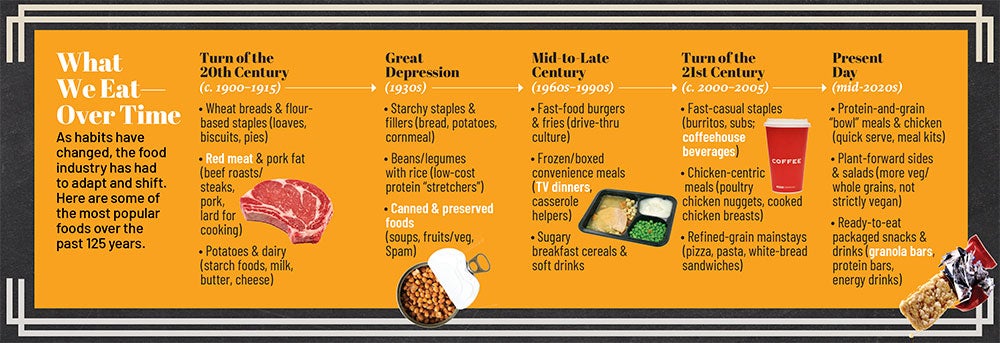
History shows that dramatic shifts in the way people eat usually dovetail with significant socioeconomic or cultural changes, often brought on by technological advancement. In the early part of the 20th century, Americans ate primarily what they farmed, with meat being a luxury reserved for the well-to-do. As the advent of refrigeration, canning, and other industrial processes increased access and storage, people began eating more meat and dairy, first in America then globally. The last two decades of the 20th century saw the rise of processed and convenience foods and quick-service meals, and, paradoxically, the beginning of diet culture. Then, 21st-century shifts in globalization and sustainability helped usher in more international and vegetarian fare.
The difference now, says Nolan Lewin, executive director of the Food Innovation Center at Rutgers University, is that eating habits are changing faster, more often, and on a more global scale than in the past. “Determining what’s a fad versus a trend is one of the hardest things for a food leader today to figure out,” he says. It’s also one of the most critical, with tremendous costs associated with being too late to a trend or too early to a fad. Lewin speaks from firsthand experience: His team helped launch Impossible Foods, one of the companies that set off a feeding frenzy for plant-based meat in the years leading up to the pandemic, then watched as consumer interest cooled off.
Indeed, the plant-based meat business is an object lesson in how consumer tastes change—and how they change so much faster today. From 2019 to 2022, the industry grew at a nearly 20 percent rate; by 2030, the market was projected to swell from about $6 billion to $20 billion or more. The share prices of firms in the business soared, and restaurants started promoting plant burgers and other veggie options. In the blink of an eye, those growth projections have shrunk by almost half, with plant-based meat now accounting for about 1 percent to 2 percent of the retail meat market, down from a peak of 3 percent. As Lewin explains it, “Consumers went back to comfort foods, regulations changed, and venture money pulled out.”
But plant-based meats are just one example of how consumer fickleness is upending the sophisticated financial modeling at food firms. While gluten-free diets have long been a necessity for those with celiac disease, around a decade ago gluten-free foods became a shopping staple for millions. The push to remove food dyes and coloring is trending, although it will require years of reorienting and retrofitting manufacturing and supply-chain processes to achieve. And then there is the popularity of low-sugar, high-protein diets, which has turned foods like granola, yogurt, and snack bars into strong growth categories for firms.

Alyssa Rojo doesn’t have diabetes or any chronic illness that would require a GLP-1 prescription. She exercises regularly and maintains a complex diet that includes intermittent fasting, prioritizing protein, and tracking calories and metabolic rates. But earlier this year, the registered nurse, who’s just entering her 40s, began taking a generic version of Ozempic to offset weight gain resulting from hormonal changes. “Weight loss is personalized and unique, and diet and exercise weren’t doing anything for me,” she says.
The GLP-1 did. In her first few months on the drug, Rojo lost 30 pounds. And with it, she lost her appetite for big dinners, to the point that she’s ordering only appetizers when she goes out. “It drastically changed how I ate,” she says.
“People aren’t going out as much, so when they do, the experience provided really matters.”
Such individual stories are impressive, and medical experts applaud both the weight loss and the improved diets. But no one in the food industry saw this coming at the scale it’s occurring. At least one major investment bank is projecting GLP-1 users could grow to 40 million globally, 17.6 million of them in the US alone—with many of those people changing their habits. Indeed, one study found grocery spending fell between 5 percent and 8 percent for households within the first six months of starting a GLP-1, while one-third of people in another study said they ordered smaller portions at restaurants or simply ate out less. The potential financial impact of mass GLP-1 adoption could be huge, given that the profit margin for the average restaurant is only about 4 percent, and even less for the typical grocery store.
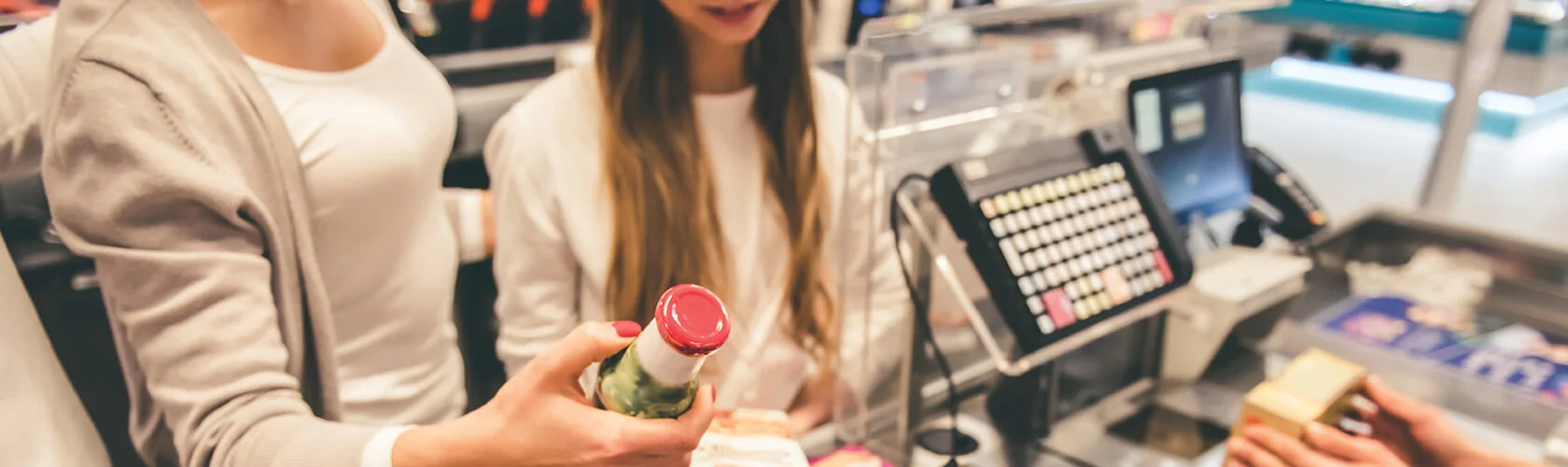
People still like going out to eat, however, and as stressed-out parents with hungry teenagers know, mobile ordering and delivery apps are a convenient, if expensive, way to answer the dreaded “What’s for dinner?” question. To be sure, much of the food industry has subsisted on the spending of affluent consumers for the last few years, says Christopher Fuqua, head of the Restaurant practice at Korn Ferry. Absent that spending, the sector is similar to the broader economy: “In many ways, it’s been a stagnant environment,” he says.
And there is much the food industry is doing to adjust. Some fast-food chains, for example, are redesigning the drive-thru experience and creating additional space for mobile pickup, says Scott Taylor, Jr., professor at the University of South Carolina’s College of Hospitality, Retail and Sport Management. “The increase in mobile ordering is a major area of focus for operators,” he says, pointing to how DoorDash alone grew orders 20 percent, to a record 761 million, in the second quarter of 2025. Remarkably, drive-thru lanes can account for up to 75 percent of revenues at some US fast-food restaurants today. And that’s including the operators who are squeezing out more profits with double lanes, with one for ordering and one for pickup.
Meanwhile, restaurants are doubling down on the dining experience, creating loyalty programs, special menus, themed events, and other promotions and programs to drive traffic. In the end, experts say, the food business may discover that its futures comes down to what started all the turmoil of recent years: what humans like. “People aren’t going out as much, so when they do, the experience provided really matters,” says Chad Moutray, chief economist for the National Restaurant Association.
Image credits: Marchiez, Vadimguzhva, Fourleaflover/Getty Images; Goir, Kinga Krzeminska, BWFolsom, Mizan, Brian Hagiwara/Getty Images
