
Always the Hire,Never the Fire(And It's Okay to Be a Little Jealous)
It may be one of the toughest job markets in years, but a batch of career darlings are still leaping from one great role to the next. The question is, how?


November 24, 2025
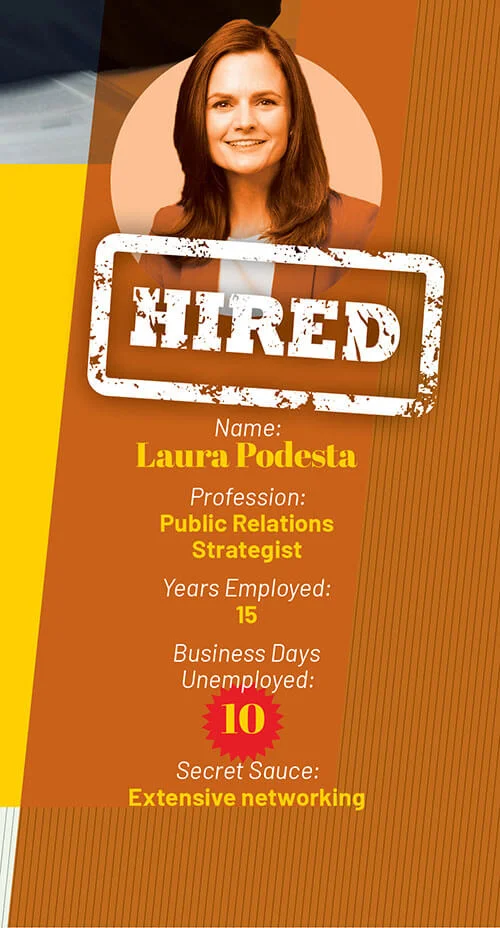
When friends of Laura Podesta are unemployed, they ping her with questions: Hey, how did you pivot so quickly? What’d you do to get your new job? Did you tell people that you got laid off? Not exactly, she says: “You have to say that you’re available to do what you’re best at.” Her main advice: Get out there.
As you can imagine, her friends, some of whom have churned out more than 150 job applications without receiving a single reply, might find this answer a little frustrating. But they continue to ask for Podesta’s advice. And no, she’s not a career coach. It just so happens that in a two-decade career—through recessions, pandemics and, yes, even today’s brutal job market—she has only been unemployed for a total of 10 business days. She will tell you how she left a television news job on a Friday and began a PR stint the next Monday. How she was laid off once—but had another role lined up five days later. When she shifted to launching her own agency, she immediately signed clients, who keep her busy. As she puts it, “I’ve always had a fair amount of work.” So much, in fact, that she had to let a client go. “I’ve been lucky in that way,” she says.
Always eager to help, she might tell a recently laid off friend, “You want to climb under the covers and not come out, but that’s the opposite of what you should do!” It’s easy for those who have been unemployed to look at her askance. As her hiring record suggests, she is delightful—exactly the type of smart, upbeat person one wants on their team.
There are a handful of people who seem to be living in an alternate universe, almost a paradise.
We all know someone—or some people—who has been unemployed for the better part of this year. Among knowledge workers, you hear their pain: applying for jobs with thousands of applications, pestering anyone for help, and waiting months, even years, just for an interview. In all, one-quarter of unemployed people nationally have been jobless for 27 weeks or longer; for men over age 55, it’s 33 weeks. That’s eight months. With odds like that, it’s not surprising that a growing army of candidates are not only pulling their hair out—they’re giving up.
Yet amid all of this mayhem and despair, a handful of folks seem to be living in an alternate universe, almost a paradise. They’re coasting along, easily shifting from job to job, with jaunts to Greece and Wimbledon in between. Call them “always hired.” Or just call them something else—blessed, lucky, carefree. Their profiles span genders and ages and industries, and if you had to ask them, not all of them were heroes in their prior jobs. But they share an enviable trait: They stay at a job because they want to, not because they must. When they’re feeling a wee bit stale, they switch—horror headlines about endless job searches be damned. Even HR pros are mystified by these career chameleons, who seem to operate in a world where economic downturns don’t apply and layoff announcements just bounce off them.
While the rest of us are frantically updating our LinkedIn profiles and rehearsing elevator pitches, they’re fielding unsolicited offers from headhunters. Their résumés read like a greatest-hits list of lucrative career decisions. Most frustratingly, the entire concept of unemployment is foreign to them. The question is, how exactly do they do it?
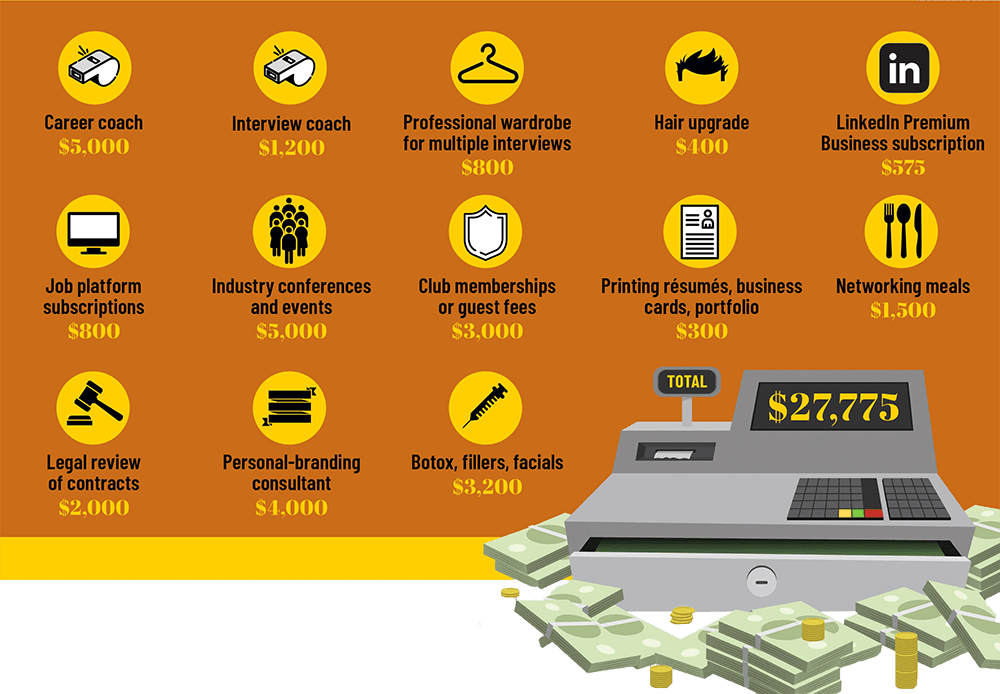
The Price of a Job Search
Landing on one's feet is increasingly expensive. What was once a matter of printing a few resumes and making some phone calls has evolved into a costly endeavor. From hiring a career coach to—yes—a branding consultant, it all adds up.
For centuries, men with flair like Podesta’s—career aces—cruised from job to job, as needed, via the old-boy network. This exclusive system of informal connections was structured around elite schools and families, reinforced through private clubs and fraternities, and maintained through golf and tennis, weddings and funerals. Long before a company publicly announced a job opening (if it announced it at all), peers told each other about the open seat, and recommended each other for the role. A word-of-mouth recommendation from the right person sealed the deal.
This system often bypassed formal application processes altogether, and gave friends of friends significant advantages, while icing out talented workers who often didn’t know a job was open until they read about the new hire in the newspaper. These roles were commonly onboarded without ever going through human resources. The tacit agreement was that peers would help each other reciprocally, and they did.
“People who always get hired aren’t necessarily the most qualified.”
This system began to slip in the 1960s, as equal-opportunity labor legislation loosened the old-boy network’s stranglehold on top jobs. In the decades that followed, the growth of workplace diversity as a business advantage further loosened its grip, as did the influx of women into the workplace. To be sure, substantial vestiges of that system still operate. As recently as 15 years ago, high-level employees looking to fill a position simply called their friends and asked for recommendations. But today’s hiring practices involve a much more rigorous process, regardless of whether a candidate personally knows the employer. There are applications to fill out, three or five interviews to attend, references to collect, companies to study, strategies to articulate. Even for the most well-qualified applicant, it can be a rather brutal process.
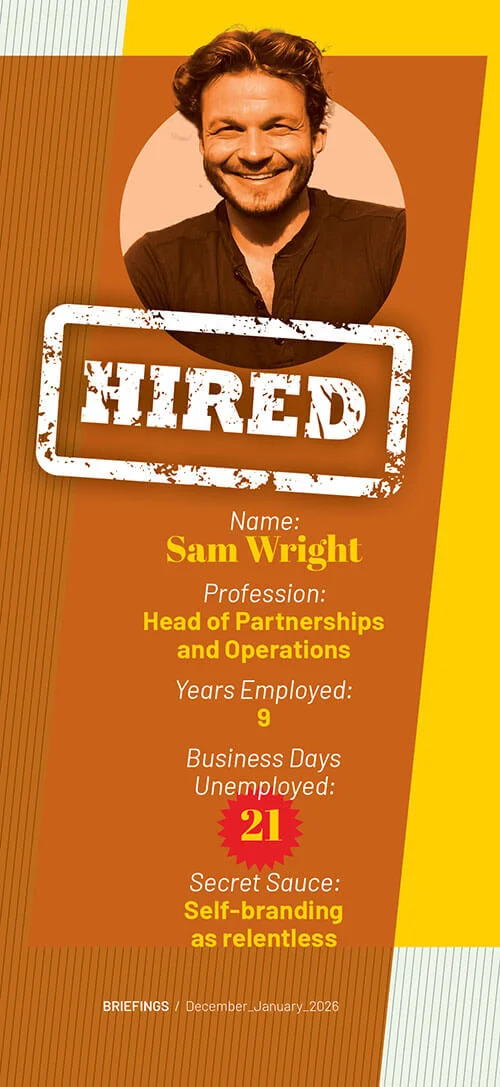
But not for Sam Wright, head of operations and partnerships at tech platform Huntr. He’s been out of school for a dozen years, and somehow, he says, he “always lands on his feet.” He’s leapt smoothly from one job to the next—four times in those dozen years—including a transition into tech despite having no industry network or connections. How do people like him triumph, again and again?


It seems unexplainable, and even annoying, that some candidates always win the hiring game. You might assume that the always-hired are easy on the eyes. In truth, research on attractiveness and job offers is mixed, showing that some employers favor good looks in public-facing roles like sales and PR, while others perceive beautiful applicants to be entitled, not hardworking, and more likely to leave. Could the always-hired simply have amazing career achievements to lean on? Nope, says Lacey Kaelani, CEO of data-job-hub Metaintro, who herself has only had 11 unemployed days in her whole career. Her firm analyzed some 600 million available jobs and the candidates who snagged them and found that qualifications were not part of the special sauce. As best she can figure, successful hires all share a vibe: “People who always get hired aren’t necessarily the most qualified,” she says. “They’re the best at making hiring managers feel confident about saying yes.”
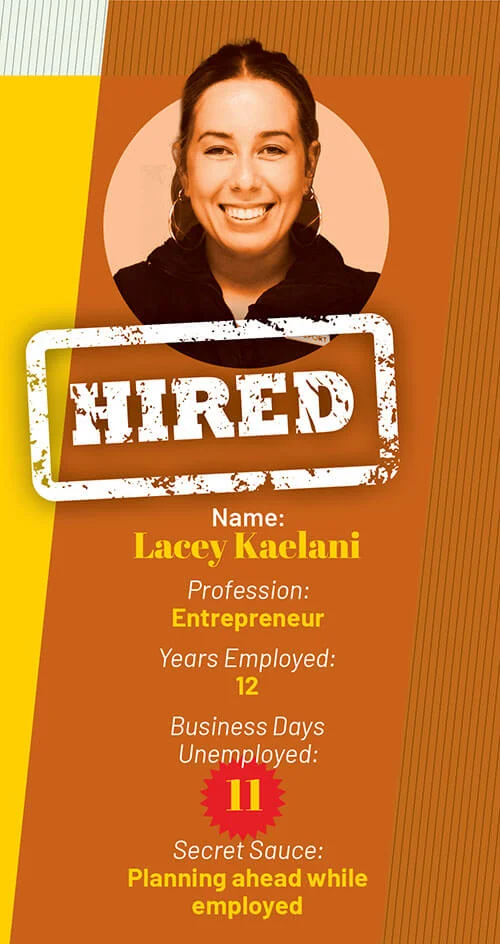
There is a consistency to their approach: Before applying, they research companies obsessively, and offer up value, not desperation. They speak in action-oriented language, connecting what they did at their last job to similar strategies from which the new company could immediately benefit. Their confidence vibrates and resonates. They do not use AI auto-apply tools, ever (“I can talk for 20 minutes on this,” says Kaelani). She’s found that the most successful job seekers apply to five to 10 highly targeted roles instead of 60 or 100. Simply put, they treat job searching like business development.
It turns out that Kaelani’s husband is an always-hired type too. When working as the director of engineering for a major bank, he sought a higher salary, and put feelers out for who else was hiring. The offers came in left and right, “and he wasn’t even formally on the market,” she says. It all suggests another key trait: well-developed networks.
Any career guru will suggest networking, but those who always get hired do it in a specific way. “One client, a CTO, maintains a spreadsheet of close contacts and sends each a personalized email or text a few times per year,” says executive career coach Kyle Elliott. “He’s updating them on his career and life, and checking in on how they’re doing.” Elliott has noticed this is a differentiator between executives who land their next roles easily, and those who don’t. Another client posts regularly on LinkedIn to stay consistently visible, and recently launched a podcast featuring CEOs and CMOs as guests—who quickly enter her network, of course. This strategic nurturing of networks pays dividends: When positions open up, these people are already top of mind, and when they want a new job, they can reach out with a simple text. It’s a far cry from sending blind applications on LinkedIn, or handing out business cards at an awkward networking event. Most haven’t attended a conference or sent a cold outreach message in years, says Elliott.
This well-greased network frequently proves invaluable when a quick exit is necessary. At some point in their careers, most employees find themselves stuck in less-than-ideal situations: They need the money, so they stay put despite a bad boss, or hellish workload, or toxic culture. Always-employed types simply say, “Adios.” At one Midwestern company, five people in a role reporting to the C-suite have exited in four years. “They each had confidence that they’d be able to find their next job,” says Dave Brazel, leader of the Digital Leadership Development sales team at Korn Ferry. “It speaks to their track record of success up to that point—they chose to exit.”
While most of us would be thinking, Wouldn’t that reflect badly on me?!, career aces know that one negative experience is just that, and doesn’t stick to them. They are, after all, Teflon: Nothing sticks except job offers.
By now, it may seem like it’s impossible to compete with these spectacular, always-employed people. But how can you become more like them? Wright attributes his success to his sales-pitch strategy. “I pitch myself to CEOs and startups as a very driven person. I can sell your product because I’m relentless.” He speaks directly to decision-makers, and positions himself as unyieldingly persistent. It is, in a word, a vibe.
Podesta is similarly focused on the sales pitch. She approaches looking for work as a temporary sales role in which you must let people know what you bring to the table: This is what I do, this is why I’m good at it, and just so you know, I’m available to do it now. “My biggest advice is to be open and honest with your connections, quickly, that you’re in need of work,” she says. She considers connections to encompass not just work colleagues, but also friends and family—and coffee-shop acquaintances, and dog-run friends, and vacation buddies. Everybody.
It’s OK to be of two minds about the advice of the always-hired: Yes, it can be annoying, and yes, they’re 100 percent right. The frustration is real—to watch someone effortlessly navigate systems that feel rigged against the rest of us naturally breeds resentment. But beneath that irritation lies an uncomfortable truth: Their strategies actually work, and the wisest approach is swallowing your pride, extracting the useful insights, and learning to say “Congratulations! Yet another cool job!” without letting your voice crack. After all, success rarely comes with the luxury of choosing your teachers.
Image credits: Slavadubrovin/Getty Images; Cecilie Arcurs; Ilyast, Abbasy Kautsar, Stock Ninja Studio, Digital Vision Vectors, Ksania, Muhammad Al-Fatih, Muhammad Khaleeq, Yotin Kamnont, Tanya St, K Ching Ching, T-Vector Icons/Getty Images; Sakchai Vongsasiripat/Getty Images
