80 Years Old and Still Working
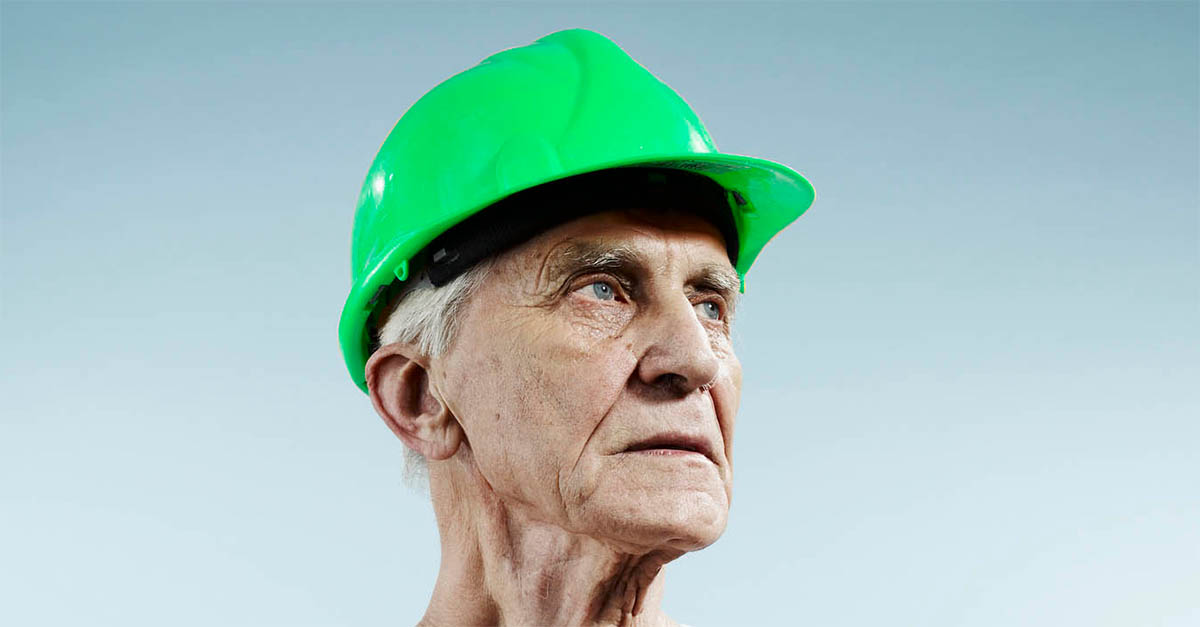
As unemployment waits grow, some older workers worry they may have to call it a career much sooner than planned.
As recently as a few years ago, working into your seventies had become a new workplace milestone. Now there’s a new decade to consider.
In a trend that brings more experience to the corporate world but also challenges, a small but not insignificant number of people are working into their eighties—and beyond. Indeed, more than half a million people over the age of 80 are currently in the US workforce, more than twice as many as during the 1990s. According to projections, workers who are 80 and older will make up nearly 12% of the workforce by 2030, up from 9% in 2020.
“People don’t just have multiple jobs during their lifetime anymore—they have multiple careers,” says David Farris, sector leader for the Professional Services practice at Korn Ferry.
The figures come at an interesting time in today’s job market, which has become so tight that unemployed workers in their mid 50s face record wait times to get hired. Promotions have become rarer at firms too, and experts say older workers who stay on may create logjams for ambitious middle managers and younger executives, unless companies can restructure their workforce needs differently.
Though it’s easy to imagine older workers might remain in basic roles simply to stay active and make some extra cash—and some are--“many of them are also working because there is still a place for them in the workforce,” says Andrea Wolf, a senior client partner in the Consumer and Consumer Health practices at Korn Ferry. Eighty-year-olds can be found everywhere from law firms to warehouses to retail sales floors to management and consulting services.
Farris suggests that more people are also working into their eighties because firms need them to. Recently, for instance, one top analyst suggested the US may see “no growth in workers at all” over the next five years. “With the shrinking availability of workers, perhaps the economy has to rely on older workers to keep it growing,” Farris says, pointing to “phased retirement” and the rise of the gig economy as trends that may keep older people working longer.
But those trends could be altered by the rise of another one: AI—which could mitigate, or even eradicate completely, the desire or need for older workers. Already, AI has helped to thin the ranks of management, including roles that are often filled by people 50 or older, like vice president, director, and the like. For those who are still employed, experts say, the introduction of AI into the workplace may create a steeper reskilling curve, or one that is perceived to be steeper.
Either way, firms will need to make adjustments. David Ellis, senior vice president of talent transformation at Korn Ferry, says that though AI may be able to perform certain tasks, “it lacks traits like empathy and judgement that people, especially older workers, bring to organizations.” At the same time, however, older workers are often accused of blocking younger peers from advancement opportunities and hurting firms’ ability to develop the next generation of leaders.
“There is tension around upward mobility with younger workers,” says Wolf. She suggests that firms consider remote opportunities, interim roles, and other non-traditional job designs that could keep older people working longer, while also “helping firms maximize their workforce.”
Learn more about Korn Ferry’s Talent Acquisition capabilities.