A New Secret Sauce for Success?
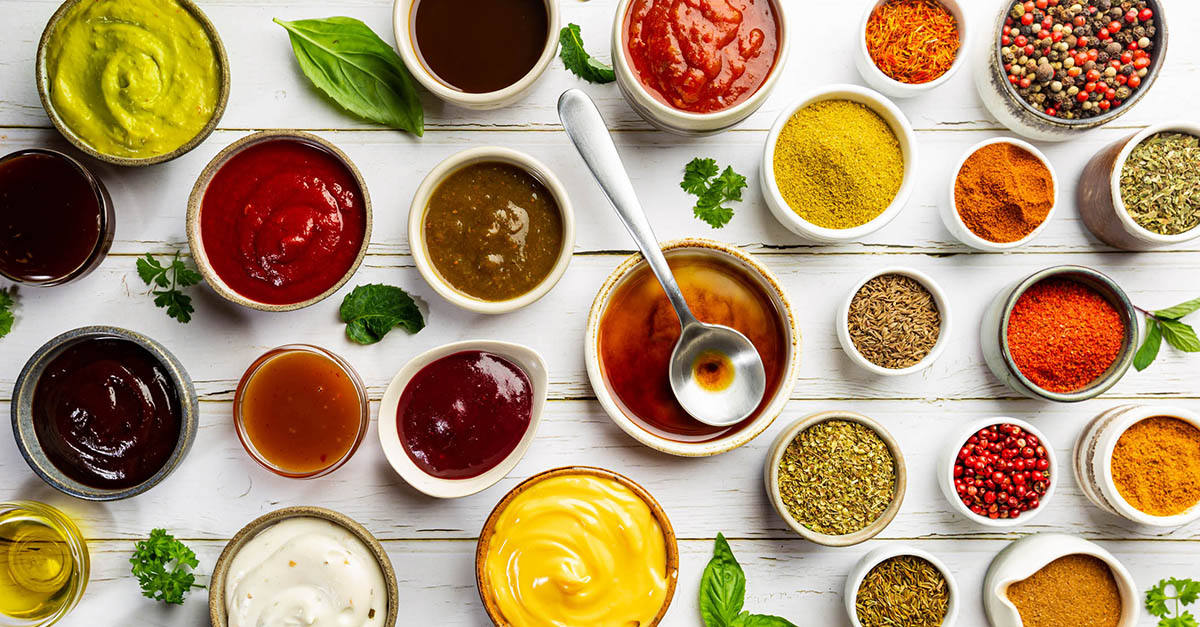
The fast-food sector hopes to prove that sometimes simple additions—like specialty sauces—can spice up an industry’s profits.
The secret sauce to bringing customers back to fast food and quick-service restaurants in 2026 could be sauce—or, more precisely, premium condiments.
With inflation and economic concerns impacting consumers and tariffs and increased costs challenging restaurants, experts predict that specialty sauces and artisanal condiments will play a big role in leaders’ plans to get people back into drive-thru lanes and at tables while keeping prices down this year. Chris Von Der Ahe, a senior client partner in the Consumer Markets practice at Korn Ferry focusing on consumer foods and restaurants, says branded sauces are a way for fast-casual and quick-service chains to drive value by upgrading an existing item as opposed to creating an entirely new one. “They can be a differentiating factor for restaurants in a crowded marketplace,” he says, pointing to how some chicken chains are as popular for their dipping sauces as for their food. At the same time, Von Der Ahe says premium condiments also serve as “an affordable luxury” for consumers who are drastically cutting back on dining out.
To be sure, the food service category overall underperformed in 2025. But fast casual and quick-service restaurants were among the hardest hit. Revenue grew 1.1% to $413 billion, but that growth was much slower than the nearly 4% of recent years. Moreover, it was driven primarily by higher prices—foot traffic to restaurants of all categories declined last year. “It’s still a struggle to attract diners,” says Christopher Fuqua, a senior client partner and head of Korn Ferry’s Restaurant practice.
The solution in 2026—the kind that leaders in other industries may watch with interest—is far from a drastic step, such as changing up menus or slashing prices. Instead, premium condiments become the focus, and interest in them isn’t just a matter of cost and value. Alexandra Blakeslee Hartwell, a principal in the Food and Agribusiness practice at Korn Ferry, says specialty sauces and artisanal condiments have captured the consumer zeitgeist. She points to the popularity of shows like “Hot Ones,” where the host conducts celebrity interviews while eating wings with hot sauces of escalating degrees, and viral videos showcasing how to “elevate” basic recipes with them as generating “huge consumer interest.”
That interest is translating into big dollars. The overall sauces and condiments market is estimated at about $200 billion annually, with premium sauces and condiments priced at $8 or more accounting for roughly $34 billion of that figure. But premium sauces are projected to grow by 13% annually, more than double the 5% for the condiment market overall.
From a leadership perspective, Hartwell says restaurants and food manufacturers can now develop new sauces and incorporate them into existing products or even package them for store shelves to keep up with changing consumer tastes faster thanks to AI. Fuqua agrees, adding that fast food and quick-service restaurants can incorporate new sauces into special menu items, in-app promotions, and other marketing channels at a low cost. “Leaders need to find efficient ways to get people excited about dining out again,” he says.
Learn more about Korn Ferry’s Organization Strategy capabilities.