The Mental-Health Day Dilemma
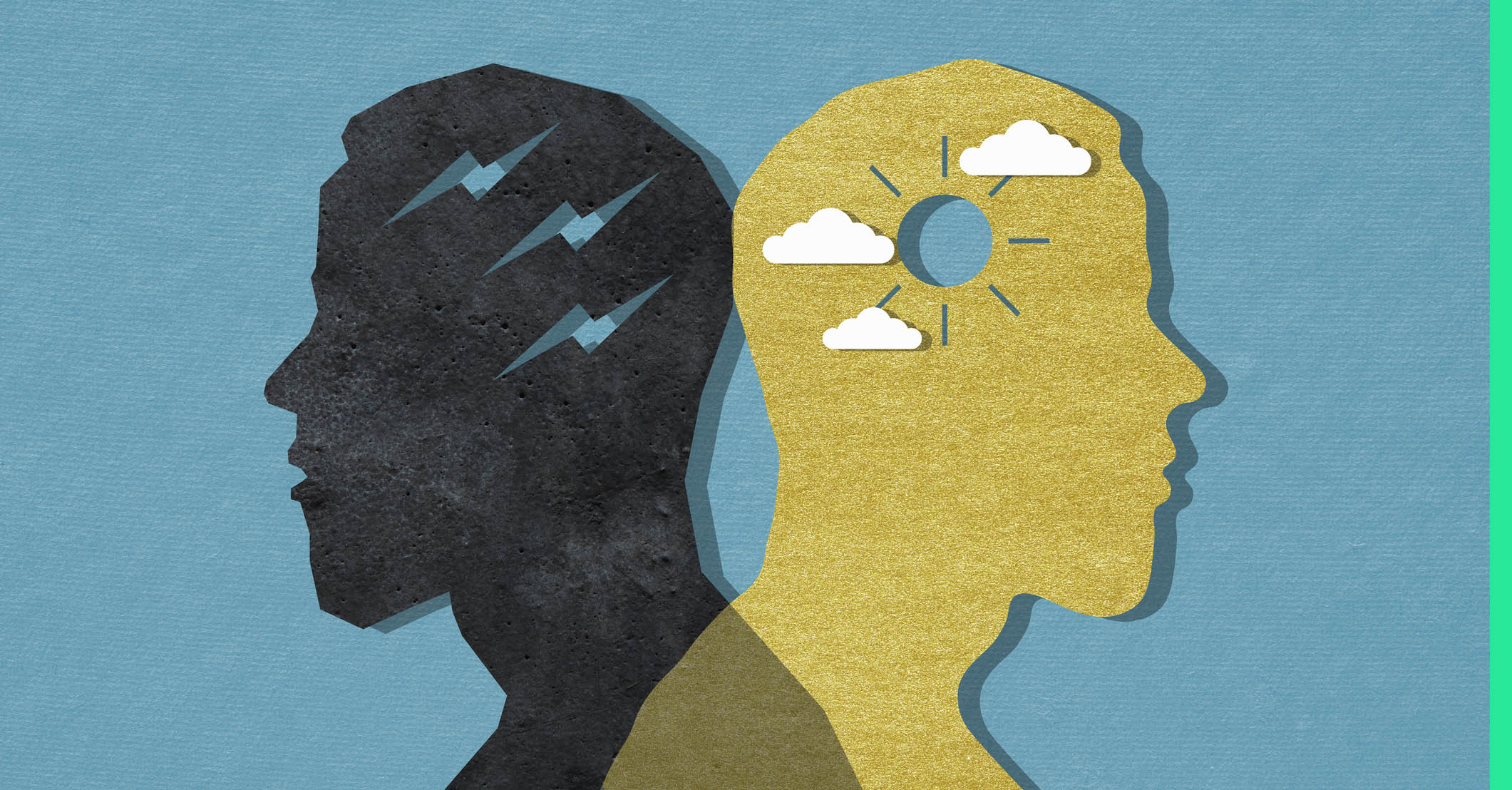
With mental-health day usage up 300% from pre-pandemic levels, some bosses question the pattern.
After preparing all week for a Thursday presentation and delivering it without a hitch, the employee awoke on Friday feeling exhausted. Never mind that her team had a fall planning meeting at 10 AM. She sent an email to her boss at 7:35 AM to say that she was taking a mental-health day. Her boss, who had awakened early to plan for the meeting, cursed to himself when he received her message.
The employee’s behavior is the norm this year in corporate America, where employee use of mental-health days is up by 300% from pre-pandemic levels, according to ComPsych. “This is a tricky one,” says organizational psychologist Kendra Marion, vice president for global assessment services at Korn Ferry. “Mental-health days are provided with no explanation or doctor’s note required.”
Back before the pandemic, most employees rarely tapped into mental-health days, instead opting for PTO or sick days. But after two pandemic years of executives banging the “we care about your mental health” drum, compassion for mental-health challenges has surged, and employees are well aware of mental-health days—and not shy about using them. Part of the logistical problem, say HR experts, is that many employees now perceive mental-health days to be part of the allotted annual days off to which they are entitled, much like PTO and sick days. Yet bosses often find mental-health day use to be particularly challenging, because unlike planned vacations or preapproved arrangements to, say, care for a parent having surgery, employees often use mental-health days on short notice (or zero notice), leaving employers in the lurch.
Experts advise that executives pay close attention when use of mental-health days is high, because this may be an indicator of culture problems. When companies support healthy, productive cultures, workers are encouraged to bring their best selves to work each day; they feel like their presence matters, says organizational strategist Kim Waller, senior client partner at Korn Ferry. But this year, many firms are under extreme pressure to maximize profit and efficiencies, which has pushed taking care of people to the wayside. “Organizations that have strong, healthy cultures are probably not having this problem,” says Waller.
For firms facing high usage of mental-health days, organizational psychologists suggest investigating what’s driving the increase. Are employees feeling stressed out by world events? By their day-to-day workloads? Are some employees using mental-health days more than others—such as Gen Z workers maxing them out—which can skew corporate data? The question to answer, says Marion, is “what changes can we make so that employees don’t feel that they need to take a day just to be able to cope?”
Experts advise managers to clearly define employee expectations around mental-health days versus sick days versus PTO, and to always check with HR for guidance on both company policies and interacting with employees. “The most important thing is creating open dialogue with your team,” says Dennis Deans, global human resources business partner at Korn Ferry. The goals are for employees to feel that the organization supports them no matter what and to be comfortable saying so when they need to exercise a mental-health benefit—“though there’s no expectation that any employee should ever have to share,” notes Deans. One-on-one, managers can consider offering options such as the company’s EAP program.
Overall, mental-health day usage is far more than a matter of employees accruing additional days off. “It’s both a risk and an opportunity for employers,” says Marion.
Learn more about Korn Ferry’s Organizational Transformation capabilities.