Uncertainty Is No Longer a Passing State

Leaders have been asked to do something profoundly difficult, says best-selling author Dan Goleman.
Daniel Goleman is author of the international best-seller Emotional Intelligence and Optimal: How to Sustain Personal and Organizational Excellence Every Day. He is a regular contributor to Korn Ferry.
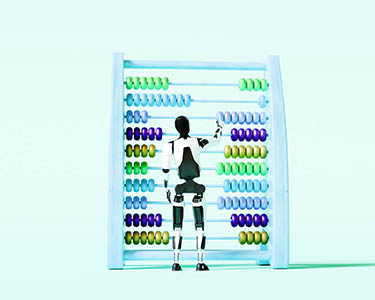
If 2025 taught us anything, it’s that the world isn’t going to wait for leaders to catch up. AI adoption has surged and workforces have reorganized themselves in real time. Uncertainty is no longer a passing state, but a place we live in. And through it all, leaders were asked to do something profoundly difficult:stay grounded, strategic, and accessible even as everything around them transformed at an unprecedented speed.
This year’s conversations on leadership show a through-line: Leadership in 2025 wasn’t defined by authority or expertise but by presence, adaptability, and the capacity to stay connected through complexity.
Below is a curated recap of the thinking that permeated the 2025 conversation.
AI, Uncertainty and the Human Edge
AI Won’t Replace Leaders—But It Could Expose Them
In a year of rapid AI integration, the differentiator wasn’t technical fluency but emotional fluency.
The Big AI Roadblock in Our Heads
A deeper look at how psychological resistance— not poor planning— is slowing organizational transformation.
Why It's OK to Be Unsure About AI
Leaders discovered that while certainty isn’t appropriate, a wider sense of possibility does wonders.
Emotional Intelligence for Better Decision-Making
In a year full of noise, discernment became one of the most essential leadership skills.
Change, Adaptation and the Evolving Workplace
Why Adapting to Big Work Changes is So Tough
2025 surfaced the emotional cost of living in a liminal state and what leaders can do to support people through it.
The New Way to Lead Through Change
2025 saw a drastic shift from VUCA to BANI and with it, a shift in the skills leaders will rely upon.
The Fine Line Between Obstacle and Opportunity
Why reframing became a survival skill for leaders navigating overlapping crises.
Even as work structures evolved, the need for human connection remained constant. Belonging became the new baseline for performance.
Trust, Presence and What People Needed Most from Leaders
Trust Isn't a Skill—It's a Survival Strategy
In a volatile year, trust wasn’t “nice-to-have.” It was the glue that held teams together.
Leaders were asked to pay closer attention to how they show up— not just what they know or what they think they know.
Empathy continued to separate leaders people tolerate from those they willingly follow.
What’s Your Team’s Emotional Intelligence?
One of the year’s most shared pieces: teams, not just individuals, have emotional intelligence— and collective norms predict performance more than ever.
The Skills That Make Zero Distance Possible
Leaders learned that removing hierarchy isn’t about flattening but about listening, humility, and accessibility.
The New Rules of Work
What Type of Job Huggers Do You Have?
2025’s unexpected trend: people staying put because they’re afraid to move.
To Lead Gen Zers, Emotional Intelligence Matters More Than Ever
Gen Z continued reshaping the leadership landscape with demands for authenticity, transparency, and responsiveness.
Don’t Forget Creativity Training
As AI automated more tasks, creativity reemerged as one of the most strategic human capacities.
As we move into 2026, these are the lessons we will carry forward. No doubt that AI will continue advancing, workplace norms will keep evolving, and the need to prioritize human development alongside technological adoption will only increase
We can predict that the leaders who will thrive aren't the ones with all the answers but the ones asking better questions, developing deeper self-awareness, and building cultures where people want to bring their full selves no matter how brittle or anxious or non-linear the environment.
Never before has it been more true: emotional intelligence is not a “nice-to-have” but is the foundation of modern leadership.
The work ahead is about cultivating the distinctly human capacities: self-awareness, adaptability, empathy, purpose, creativity, and hope. These are things that will determine whether modern technologies amplify our best qualities or accelerate our existing limitations.
For now, that choice remains firmly in human hands.
Co-written by Elizabeth Solomon
Click here to learn more about Daniel Goleman's Building Blocks of Emotional Intelligence.