A Full House of Direct Reports

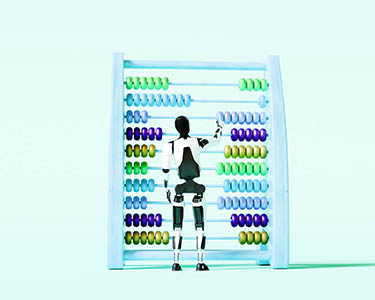
Some companies now have managers handling at least 20 direct reports. As firms seek to flatten their org charts, are they overburdening bosses?
It’s been increasing steadily for managers since 2020. For some of them, it’s doubled and even tripled. No—it’s not their salary. It’s the number of people reporting to them.
As firms seek to flatten their org charts by removing layers of middle managers, those who remain are being asked to manage more and more direct reports. Last week, for instance, one tech company said that vice presidents will now manage at least 15 people, while senior leaders will oversee 20 or more. A few months ago, a pharmaceutical company announced a radical reorganization wherein managers will oversee up to 50 direct reports. Just two years ago, the average number of direct reports per manager was just five; even at the largest firms, it topped out at 11.
But those days are long gone, says Wolfgang Bauriedel, a senior client partner in the Global Technology and Digital practice at Korn Ferry. “Once firms start going down this path, they rarely go back,” he says. To be sure, managers are managing only human beings right now. But management of non-human identities, such AI avatars and chatbots, is already growing and is expected to be a significant part of the workforce of the future. AI avatars will further add to the direct reports managers are responsible for, says Bauriedel.
The need to cut costs amid slowing revenue growth is only part of the reason firms are trying to get flatter. As the theory has it, fewer managers with more direct reports will enable faster decision-making and better strategic alignment with the C-suite’s vision. The trend also dovetails with the democratization-of-leadership ethos firms have adopted in the remote-work era. As work becomes more collaborative and team-based, firms have empowered employees to solve problems and make decisions on their own rather than be micromanaged. At the same time, AI and other digital applications can handle many bureaucratic responsibilities that would otherwise occupy a significant chunk of managers’ time. The combination, says Korn Ferry Advisory senior client partner Jonathan Wildman, should enable managers to take on more direct reports without being overburdened.
The only problem is that most managers say they are already overburdened. Two-thirds report struggling with heavy workloads, and more than half report being burned out. “Managers are already spread thin,” and overloading them further could create more limitations than advantages, says Justin Ripley, a senior client partner in the Global Industrial practice at Korn Ferry. It could also create a risk that managers will be managing metrics instead of people. Bauriedel agrees, adding that leaders need to think about the number of direct reports on a manager-by-manager and team-by-team basis. What works for marketing, for instance, may not work for finance. “Some teams need more hand-holding than others,” he says.
This development raises a significant risk, experts say—that the next generation of managers and leaders won’t be properly trained and developed. For years, managers have been reporting that they don’t have enough time to develop and coach their people. Giving those managers even more direct reports will shrink that time even further, Ripley says. It will also create retention issues for firms, since training and development ranks among the top priorities for talent, especially among younger workers. And even if advances in AI do free up managers to devote more time to training and development, flattening management offers fewer positions in the organization for all those direct reports to aspire to, says Ripley. “The pool of people competing to be the next manager gets that much larger,” he says.
Learn more about Korn Ferry’s Leadership and Professional Development capabilities.