A Hot-Selling Food: Here to Stay or Flash in the Pan?
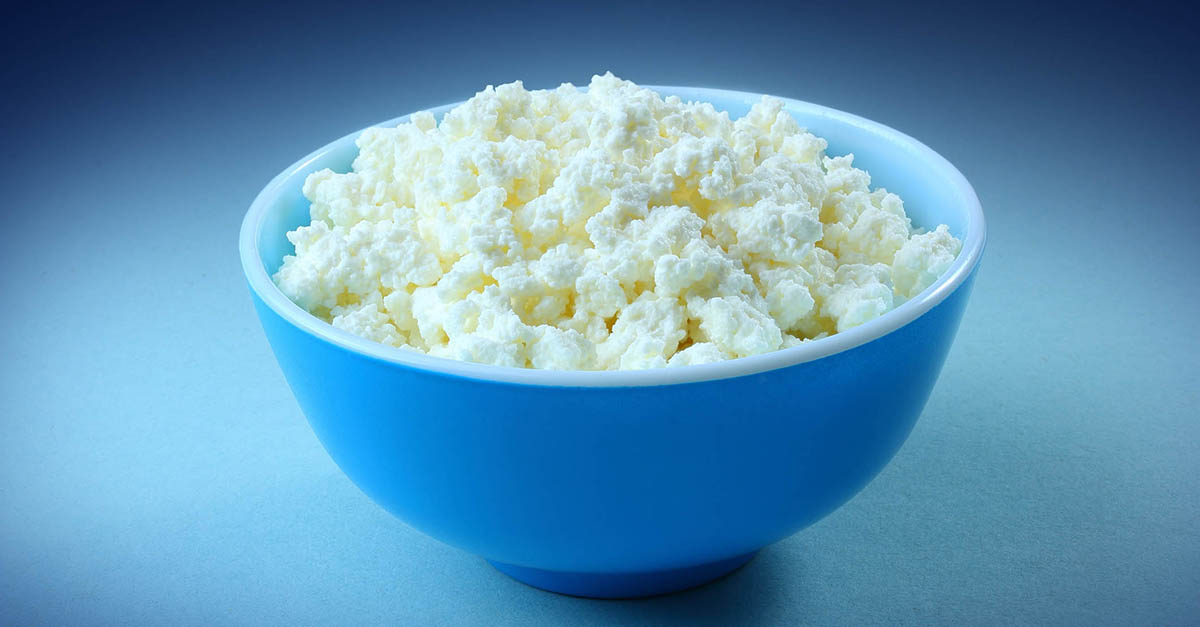
To nearly everyone’s surprise, cottage cheese has been on a two-year selling tear. How firms try to tell if a buying trend is real.
Remember when cottage cheese was the snack your mom ate while dieting in 1987? Well—plot twist—it’s back, and selling. A lot.
The dairy industry’s least sexy product, long overshadowed by Greek yogurt (and butter and cheese and ice cream and milk), is doing well: Sales are up 20% year-over-year, following a 17% boost in 2023, according to data from consumer-insights company Circana. While nearly all consumer-product companies welcome high sales, this surge brings questions for producers and retailers alike. “Is it a trend that’s here to stay, or will cottage cheese be less popular two years from now?” says Corey Matthiessen, principal in consumer markets at Korn Ferry.
Cottage cheese has been many things, but “cool” has never been one of them. It emerged in refrigerators in the early 1900s as a substitute for meat that the government would promote during the World Wars. It then slipped into women’s magazines as a low-calorie, high-protein option for readers trying to shed a few pounds; by the 1980s, Weight Watchers was suggesting stirring cottage cheese into oatmeal for a well-rounded morning meal. Cottage cheese is nothing if not divisive: Some consumers always keep a container in the fridge; others consider its texture to be offensive. (“I don’t understand cottage cheese—I never have,” comments one consultant.)
To be sure, surges in specialty items are not unusual in food manufacturing. But cottage cheese? In this age of sleekly packaged kefir and ultra-filtered milks? Even industry watchers were surprised. (“What the heck,”exclaims one. “Really?”) Its sudden sales surge comes from the ongoing popularity of protein in many trendy diets, from keto to paleo to Atkins to macro counting. (As one protein-bar maker recently told the New York Times, “Protein brings people together.”) More importantly, cottage cheese is the primary cooking ingredient in recipes across social media, from buffalo dip to pancakes to lasagna to flatbread. These foods are often prepared stealthily. (Typical internet commenter: “My whole family all love my scrambled eggs now. I didn’t tell them what I did, because they are anti-cottage cheese, but now they are fans.”)
The surprise sales mean that dairy companies are selling out, which in turn spurs producers to increase their output. This requires a Rube Goldberg-like set of adjustments to cooler sizing in trucks, displays, and warehousing, and often forces producers to allocate set amounts of inventory to retailers. “Retailers do not like this, and they put pressure on manufacturers to avoid stock outs,” says Sue Simonett, practice leader in the Consumer Packaged Goods practice at Korn Ferry.
Manufacturers now face big choices—whether to expand plant capacity, or increase efficiency on the existing plant lines, or reprioritize their product line to open up production capacity, or contract out production to a third party. “The latter is a popular choice if the demand is not sustainable,” says Simonett.
When products are in great demand, one common strategy is to increase prices, which boosts profits while adding a bit of slack to the demand. Retailers might also consider add-on sale options, just as they typically position ice cream cones near the ice cream. This challenge is stumping retail experts, however. (“I have no idea what sells along with cottage cheese,” says one.) And then there are product extensions, which—let’s be honest—were exhausted decades ago: pineapple cottage cheese, strawberry cottage cheese, low-sodium cottage cheese. Young influencers are purists, anyway. They see cottage cheese as a “canvas for creativity,” mixing in nuts and granola and the like.
Which once more raises the pressing question: How long will the rage for cottage cheese continue? Often, the hype for a product induces consumers to try it, only to tire of it quickly. “Is this a flash in the pan, or will it stick?” says Craig Rowley, senior client partner at Korn Ferry. “The fact that it’s continued selling for over two years tells me that this one might stick.”
Learn more about Korn Ferry’s Organization Strategy capabilities.